
Refrigerator Water Dispenser Not Working? 7 Common Causes and Fixes
Fridge water dispenser stopped working? Walk through the seven most common causes — from a frozen water line to a worn dispenser switch — and learn the simple fixes you can try before calling a technician.
 5 min read
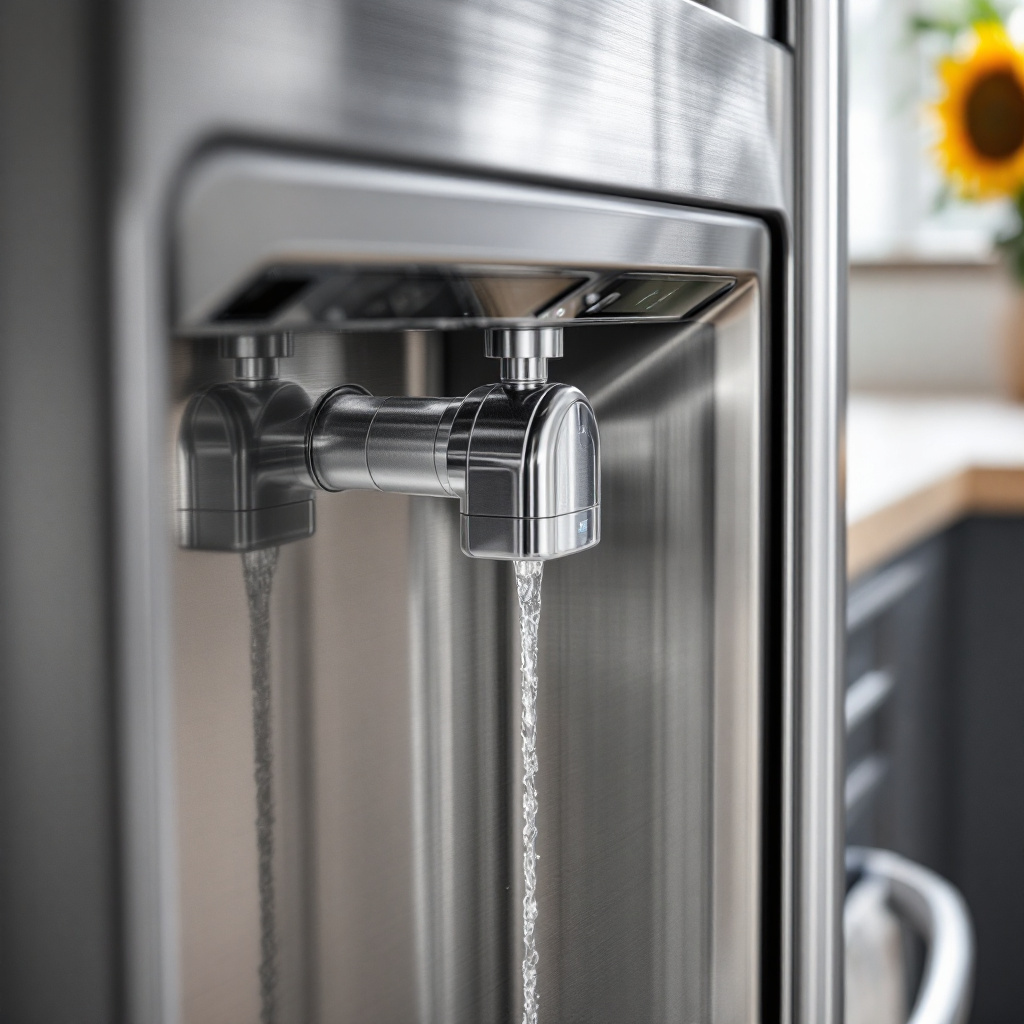
refrigerator water dispenser not working issues are something we see regularly in North Vancouver homes. A refrigerator water dispenser that suddenly stops working is one of the most common service calls we get in North Vancouver. The good news: roughly half of these problems can be solved in 15 minutes without a tool kit. The other half typically need a technician — but knowing which is which saves you a service visit you might not need.
Below are the seven causes we see most often, ordered from “easiest to check yourself” to “needs a pro.” Work through them in order — the first three solve about 60% of the cases we see.
1. The water supply line is shut off or kinked
The shut-off valve behind or under your fridge is the first place to check, and it’s the cause of more “broken” dispensers than any other single issue. The valve is usually a small lever on the cold-water line under the kitchen sink or in the wall behind the fridge.
How to fix: Pull the fridge out a few inches and look behind it. The water line should run in a smooth arc, not kinked or sharply bent. Trace it back to the shut-off valve and confirm it’s fully open (handle parallel to the pipe). If you replaced or moved the fridge recently, this is almost always the cause.
2. The water filter is clogged or due for replacement
Manufacturers recommend changing the water filter every six months, and most modern fridges will flash a filter-status indicator when it’s overdue. A clogged filter restricts flow to the point that the dispenser produces a trickle or nothing at all.
How to fix: Locate the filter (usually inside the fridge near the top-right, or in the bottom grille) and replace it with the OEM cartridge for your model. After installing the new filter, hold a large container under the dispenser and let it run for 3-5 minutes to flush trapped air and carbon dust from the lines.
If the dispenser starts working only when you remove the filter and runs unfiltered water through, the filter housing or the filter itself is the issue.
3. The water line is frozen
If your freezer is set unusually cold (below -18°C / 0°F), the small-diameter water line that runs through it on its way to the dispenser can freeze solid. This is more common in winter when the kitchen is cooler and the compressor runs harder.
How to fix: Unplug the fridge for 2 hours to let the line thaw, then plug back in and test the dispenser. Also check your freezer temperature — for most fridges, -17°C / 0°F is the correct setpoint. If the line keeps freezing, the freezer is running too cold and may need a thermostat or control-board service.
4. The dispenser switch or actuator is worn out
The switch that detects the pressure of your glass against the dispenser pad wears out after a few thousand cycles. When it fails, pressing the lever does nothing — no sound, no water.
How to spot it: Press the dispenser lever and listen carefully. If you hear a faint click followed by no water, the switch is firing but the water valve isn’t responding (skip to step 5). If you hear nothing at all, the switch itself is dead.
Switch replacement is usually a 20-minute job for a technician and the part is inexpensive. It’s not a great DIY repair unless you’re comfortable removing the dispenser housing without damaging the door panel.
5. The water inlet valve has failed
The inlet valve is the electrically-controlled valve at the back of the fridge that opens when you press the dispenser. If the dispenser switch is firing (you hear the click) but no water comes out, the inlet valve is the prime suspect.
How to spot it: Pull the fridge out and look at the valve where the water line enters. If it’s leaking, corroded, or you can’t hear a faint hum when the dispenser is activated, the valve has failed. Some valves also fail in the “stuck open” position — symptom: water continuously leaking into the dispenser tray.
This is a technician job — the valve is wired into the main control board and getting the wrong replacement part can damage the board.
6. The dispenser control board is malfunctioning
Modern fridges route the dispenser switch through a small control board (often combined with the ice-maker board). If the board fails, the dispenser stops responding even though the switch and valve are both fine.
How to spot it: Other dispenser functions fail at the same time — ice maker stops, lights flicker, display goes blank intermittently. The board needs OEM replacement and proper recalibration, so this is a technician-only repair.
7. The door switch or door seal is faulty
Some fridges disable the water and ice dispensers when the door is open to prevent flooding. A faulty door switch can make the fridge “think” the door is open all the time, locking out the dispenser even when the door is fully closed.
How to spot it: Close the door, then press the dispenser. If nothing happens, push gently on the door frame to make sure the seal is fully engaged and try again. If pushing the door harder makes the dispenser work, the door switch or alignment needs service.
When to stop troubleshooting and call a technician
If you’ve worked through steps 1-3 (supply line, filter, frozen line) and the dispenser still isn’t working, it’s time for a professional diagnosis. Steps 4-7 involve electrical components, control boards, or fridge disassembly — work that’s not worth the risk of damaging an expensive appliance.
Our certified technicians stock dispenser switches, inlet valves, and control boards for all major brands, so most water-dispenser repairs are completed in a single visit. We service Samsung, LG, Whirlpool, Bosch, GE, Maytag, Frigidaire, Miele, KitchenAid, and Sub-Zero refrigerators across North & West Vancouver.