



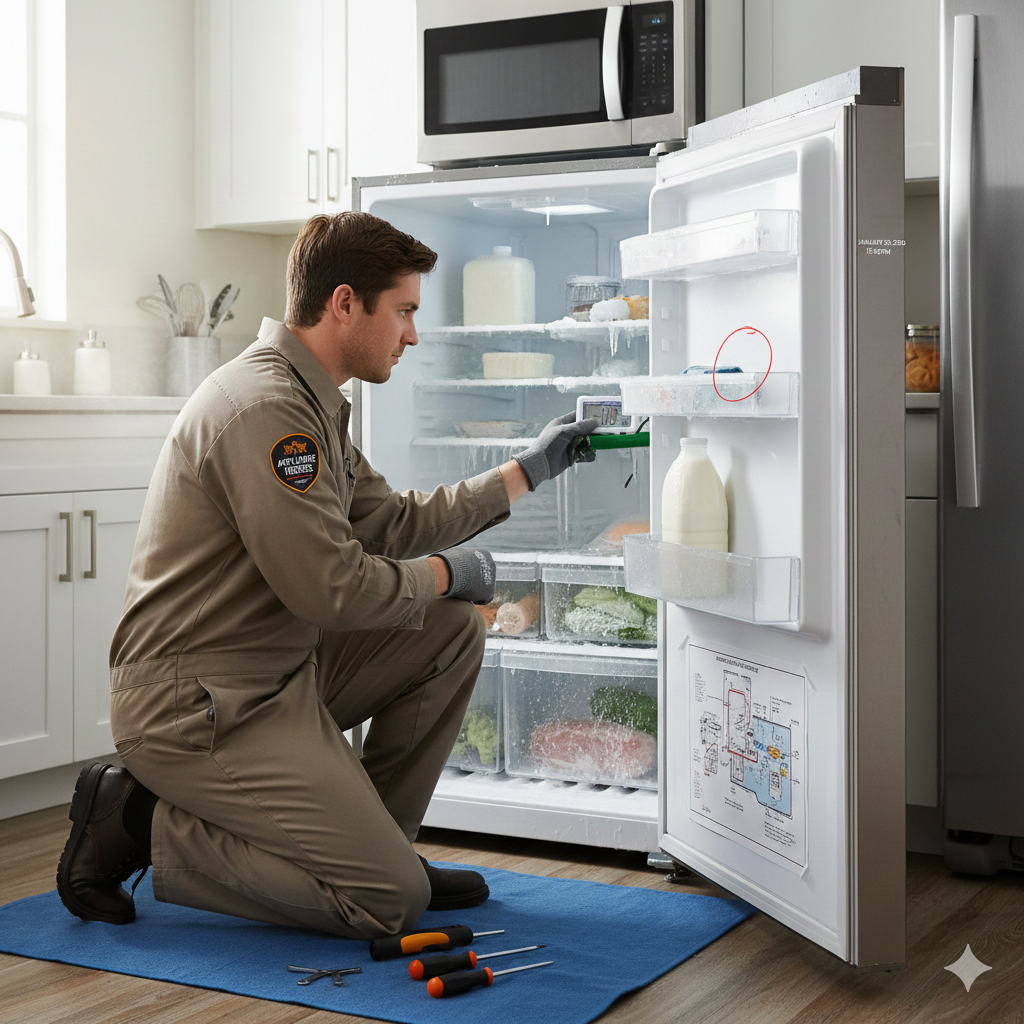
There's nothing quite as frustrating as reaching into your fridge for fresh lettuce only to find it frozen solid. Or discovering that your milk has turned into a slushy mess. If your refrigerator is freezing everything despite being set to the correct temperature, you're dealing with one of the most common appliance issues we encounter here at North Vancouver Appliance Repair.
Over the years, we've helped hundreds of homeowners in North Vancouver and the surrounding areas solve this exact problem. Sometimes it's a quick fix you can handle yourself. Other times, it requires professional attention. In this comprehensive guide, we'll walk you through everything you need to know about why your fridge is freezing food and what you can do about it.
Understanding How Your Refrigerator Should Work
Before we dive into troubleshooting, it helps to understand how your refrigerator maintains the right temperature. Your fridge uses a thermostat to monitor internal temperature and signals the compressor to cool when things get too warm. Cold air circulates from the freezer compartment down into the fresh food section through vents and dampers.
The ideal temperature for your refrigerator's fresh food compartment sits between 37°F and 40°F (3°C to 4°C). This range keeps food fresh without freezing it. When something disrupts this delicate balance, you end up with frozen vegetables and icy beverages where they don't belong.
Check Your Temperature Settings First
I know this seems obvious, but you'd be surprised how often we get calls where the issue is simply an accidentally adjusted temperature dial. Maybe someone leaned against it while grabbing something from the back of the fridge, or perhaps curious kids decided to "help" by turning all the knobs.
Look for your refrigerator's temperature control, which is usually located inside the fresh food compartment. It might be a dial numbered 1-5 or 1-7, or it could be a digital display. For dial controls, the middle setting typically works best. If you have a digital control, aim for 37-38°F.
After adjusting, give your fridge at least 24 hours to stabilize. Temperature changes don't happen instantly, and you need to let the system reach equilibrium before deciding if you've solved the problem.
The Damper Control: Your Fridge's Traffic Cop
The air damper is like a traffic control officer for cold air in your refrigerator. It regulates how much frigid air flows from the freezer into the fresh food section. When this component malfunctions or gets stuck open, too much cold air floods into your fridge, turning everything into ice blocks.
You'll usually find the damper control near the top of the refrigerator compartment, often behind a panel or vent cover. On many models, you can hear a slight clicking sound when the damper opens and closes during cooling cycles.
A stuck damper is one of those issues that can sometimes be fixed with careful manipulation, but it often requires replacement. If you suspect damper problems, this is where professional help becomes valuable. We've replaced countless dampers over the years, and having the right part and expertise makes the job go smoothly.
Related: How to Fix a Refrigerator That’s Not Cooling
Signs Your Damper Might Be Faulty:
- Items closest to the air vents freeze first
- You notice excessive frost buildup around the vents
- The back wall of your fridge is significantly colder than the front
- Temperature fluctuates wildly even with correct settings
Thermostat Troubles
The thermostat is essentially your refrigerator's brain when it comes to temperature control. It monitors conditions inside and tells the cooling system when to kick on and when to rest. A faulty thermostat can send incorrect signals, causing your compressor to run constantly and over-cool everything.
Testing a thermostat requires some technical know-how and a multimeter to check for continuity. While we've taught many handy homeowners how to test thermostats, most people find it easier to have a professional handle this diagnosis. At North Vancouver Appliance Repair, we can quickly determine if your thermostat is the culprit and replace it on the spot if needed.
One tell-tale sign of thermostat failure is a compressor that never seems to stop running. You should hear your fridge cycle on and off throughout the day. If it's running continuously and everything inside is turning into a popsicle, the thermostat probably isn't doing its job.
Temperature Sensor Problems
Modern refrigerators often use a temperature sensor (also called a thermistor) in addition to or instead of traditional thermostats. This sensor reads the internal temperature and sends information to the control board. When sensors go bad, they can send faulty readings that trick the fridge into thinking it needs to cool more than it actually does.
We've noticed that sensor issues have become more common as refrigerators have gotten more sophisticated. The good news is that sensors are relatively affordable parts. The challenge is accessing them and ensuring proper installation, which is why many of our customers choose to let us handle sensor replacements.
The Door Seal: Small Problem, Big Impact
Here's something that surprises a lot of people: a worn or damaged door seal can actually cause freezing problems, not just warm spots in your fridge. When the door seal (also called a gasket) doesn't create a tight closure, warm, humid air constantly enters the refrigerator. The fridge responds by running longer and harder to compensate, which can lead to over-cooling.
Checking your door seal is easy. Close the door on a dollar bill or piece of paper. If you can pull it out easily without resistance, your seal isn't tight enough. You can also visually inspect the gasket for cracks, tears, or areas that look compressed or damaged.
Sometimes cleaning the seal with warm, soapy water can help it seal better. Other times, replacement is necessary. We keep gaskets for most major brands in stock, so we can usually complete this repair in a single visit.
Related: How to Repair a Refrigerator That’s Making Strange Noises
Quick Door Seal Test:
Close your refrigerator door and shine a flashlight inside (you might need someone's help for this). If you see light escaping around the edges, your seal has gaps that need addressing.
Blocked or Restricted Air Vents
Your refrigerator needs proper air circulation to maintain even temperatures. When air vents get blocked by food items, containers, or ice buildup, cold air can't flow properly. This creates cold spots where blocked air accumulates and freezes everything nearby.
Take a look inside your fridge right now. Are there items pushed up against the back wall? Tall containers blocking the vents at the top? Even something as simple as a bag of salad greens pressed against an air vent can freeze solid while everything else stays at the right temperature.
The fix here is straightforward: reorganize your fridge to keep items at least an inch or two away from air vents and the back wall. Don't overstuff your fridge either. Cold air needs room to circulate freely.
Control Board Malfunctions
For refrigerators with electronic controls, the main control board acts as the command center for all functions. When this board develops problems, it can send incorrect signals to various components, including those that control temperature.
Control board issues are tricky to diagnose because the symptoms can mimic other problems. You might notice error codes on the display, or the fridge might behave erratically with temperatures swinging wildly. Sometimes the control board works intermittently, making the problem even harder to pin down.
This is definitely an area where professional expertise pays off. We have the diagnostic tools and experience to identify control board failures accurately. Replacing a control board isn't cheap, so we make sure it's genuinely the problem before recommending that repair.
Defrost System Failures
Most modern refrigerators have an automatic defrost system that prevents frost buildup in the freezer compartment. This system includes a defrost heater, defrost thermostat, and defrost timer or control board. When any part of this system fails, excessive frost can build up and interfere with proper air flow and temperature regulation.
You might notice thick frost on the back wall of your freezer, or ice buildup around the evaporator coils. This frost acts like insulation, making your fridge work harder and potentially causing temperature irregularities that lead to freezing in the fresh food section.
Defrost system repairs require some disassembly of your refrigerator and testing of electrical components. While it's technically possible for a skilled DIYer to handle this, most homeowners appreciate having an experienced technician manage these repairs. We've dealt with every type of defrost system out there and can diagnose and fix these issues efficiently.
What You Can Try Before Calling for Help
We believe in empowering our customers with knowledge. Here's our recommended troubleshooting sequence before you pick up the phone:
Step 1: Verify and adjust your temperature settings. Set them to the manufacturer's recommended levels and wait 24 hours.
Step 2: Check for blocked air vents. Reorganize items to ensure proper air flow throughout the fridge.
Step 3: Inspect the door seal. Clean it thoroughly and test for tight closure using the dollar bill method.
Step 4: Reduce the amount of food in your fridge if it's overstuffed. Your refrigerator needs breathing room.
Step 5: Check the location of your most frequently frozen items. If they're always near the back or near vents, simply moving them might solve your problem.
If you've worked through these steps and things are still freezing, it's time to call in professional help. You're likely dealing with a component failure that requires diagnostic equipment and technical expertise to fix properly.
When to Call North Vancouver Appliance Repair
We've been serving the North Vancouver community for years, and we've built our reputation on honest, reliable service. We don't believe in pushing unnecessary repairs, and we're always happy to give advice over the phone if we think you can solve the problem yourself.
That said, here are situations where professional repair makes sense:
Component failures: When thermostats, dampers, sensors, or control boards fail, you need proper diagnosis and quality replacement parts. We stock parts for all major brands and can usually complete repairs the same day.
Time and convenience: Maybe you could figure out the problem with enough research and effort, but is it worth spending your weekend taking apart your fridge? We can diagnose and fix most issues in an hour or two, getting you back to normal quickly.
Warranty concerns: If your refrigerator is still under warranty, attempting DIY repairs might void that coverage. Professional service maintains your warranty protection.
Safety and complexity: Refrigerator repair involves electrical components and refrigerant systems. If you're not comfortable working with these elements, professional service is the safer choice.
What to Expect from Professional Service
When you call us at North Vancouver Appliance Repair, here's how we approach your freezing refrigerator problem:
We start with a thorough diagnostic assessment. Our technicians don't just guess at the problem; we systematically test components to identify the root cause. We check temperature sensors, test thermostats for continuity, inspect dampers for proper operation, and examine control boards for signs of failure.
Once we've identified the issue, we'll explain what's wrong in plain language. No confusing jargon or technical talk designed to make the problem sound more complicated than it is. We'll tell you what needs to be fixed and give you an honest estimate before starting any work.
Most refrigerator repairs are completed in a single visit. We maintain a comprehensive inventory of common parts, so we can usually fix your fridge on the spot rather than making you wait for parts to arrive.
Preventing Future Freezing Issues
An ounce of prevention really is worth a pound of cure when it comes to refrigerator maintenance. Here are some tips we share with all our customers:
Regular cleaning: Keep your refrigerator clean, including the door seals, interior surfaces, and the area around air vents. A clean fridge runs more efficiently and experiences fewer problems.
Proper organization: Don't overcrowd your fridge. Leave space for air to circulate freely. Keep items away from vents and the back wall.
Seasonal adjustments: Your refrigerator works harder in summer when room temperatures are higher. You might need to adjust settings slightly with the seasons.
Annual professional check-ups: Just like your car benefits from regular oil changes, your refrigerator benefits from periodic professional maintenance. We offer maintenance services that can catch small issues before they become major problems.
Listen to your fridge: Get familiar with the normal sounds your refrigerator makes. Changes in noise patterns often indicate developing problems. If your fridge suddenly sounds different, give us a call for advice.
The Bottom Line
A refrigerator that freezes everything is more than just an inconvenience. It wastes food, costs you money, and creates daily frustration. While some freezing issues have simple solutions you can handle yourself, others require professional diagnosis and repair.
We've been helping North Vancouver residents with their appliance problems for years because we genuinely care about keeping your household running smoothly. Whether you need a quick consultation over the phone or a full diagnostic and repair visit, we're here to help.
Your refrigerator is one of the hardest-working appliances in your home, running 24 hours a day, 365 days a year. When it develops problems, you deserve fast, reliable service from people who know what they're doing. That's exactly what we provide at North Vancouver Appliance Repair.
If you're dealing with a freezing fridge right now, start with the troubleshooting steps we've outlined above. And if you need help, don't hesitate to reach out. We're always happy to answer questions and schedule service appointments at times that work for your schedule.
After all, nobody should have to eat frozen lettuce or pour slushy milk on their cereal. Let's get your refrigerator back to keeping things cold, not frozen.