
How to Fix a Refrigerator That’s Not Cooling
Hey there, folks in North Vancouver and beyond! At North Vancouver Appliance Repair, we’ve seen our fair share of kitchen crises over the years. One of the most common calls we get is about a fridge that’s suddenly decided to take a vacation from cooling. It’s frustrating, right? Your milk’s going sour, your veggies are […]
 10 min read
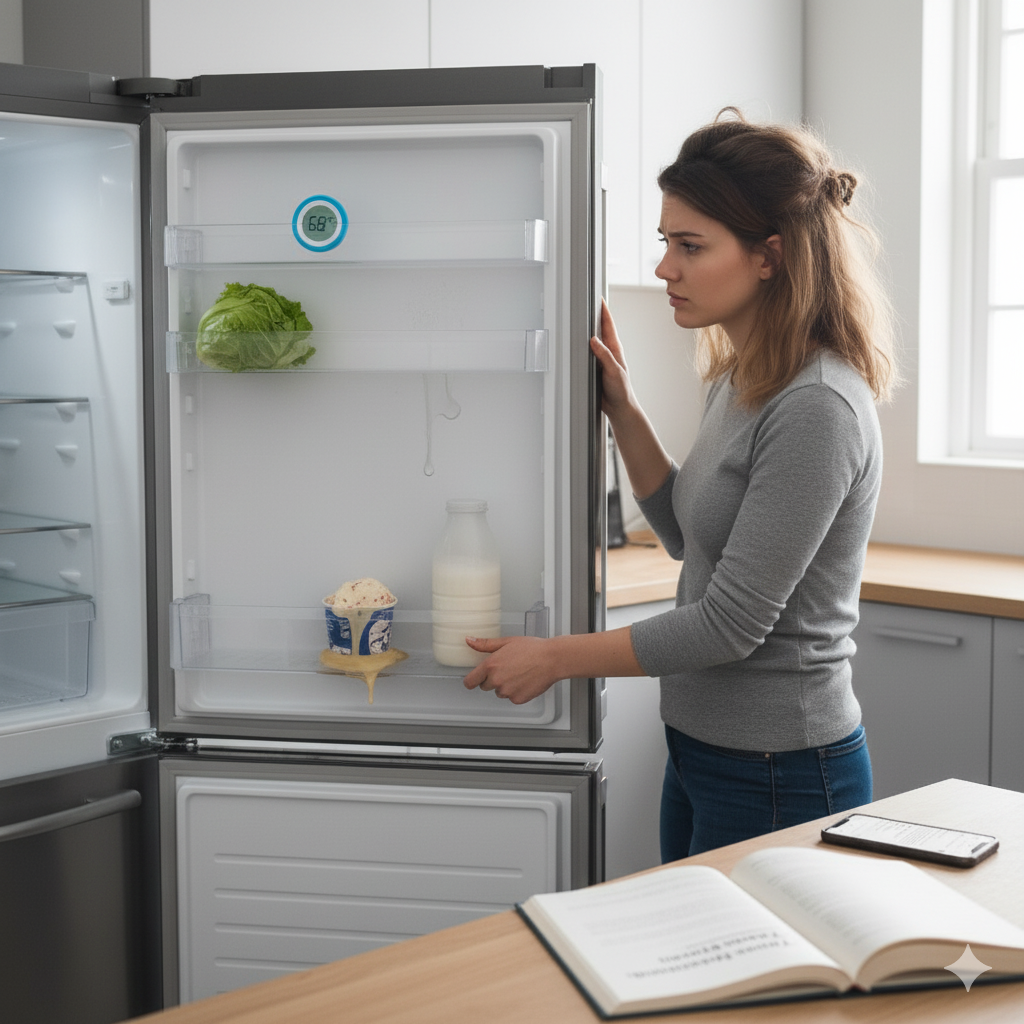
Hey there, folks in North Vancouver and beyond! At North Vancouver Appliance Repair, we’ve seen our fair share of kitchen crises over the years. One of the most common calls we get is about a fridge that’s suddenly decided to take a vacation from cooling. It’s frustrating, right? Your milk’s going sour, your veggies are wilting, and you’re left wondering if it’s time to shell out for a new appliance. But hold on—before you panic, let’s talk this through. We’re a local team dedicated to keeping your home running smoothly, and we’ve put together this comprehensive guide to help you troubleshoot and potentially fix the issue yourself. If things get too tricky, though, we’re just a phone call away for expert refrigerator repair services right here in North Vancouver.
A refrigerator not cooling properly can stem from something as simple as a dirty coil or as complex as a failing compressor. According to experts, the ideal fridge temperature should hover around 37-40°F, while the freezer stays at 0°F or below to keep food safe. Ignoring the problem could lead to spoiled food and even health risks from bacteria growth. In this article, we’ll walk you through step-by-step diagnostics and fixes, drawing from our hands-on experience servicing brands like Whirlpool, Maytag, and more. We’ll keep it straightforward, with safety tips sprinkled in because the last thing we want is for you to get zapped or make things worse.
By the end, you’ll have a good idea of what’s wrong and whether it’s a DIY job or time to bring in pros like us. Let’s dive in—starting with the basics that often solve the problem without breaking a sweat.
Start with the Basics: Quick Checks Before Diving Deeper
Before you start pulling apart your fridge, let’s rule out the obvious culprits. We’ve had clients call us in a frenzy only to discover it was something super simple. These initial steps can save you time and money.
First things first: Is your refrigerator even getting power? It sounds silly, but power issues are behind a surprising number of “not cooling” complaints. Check if the plug is securely in the outlet—sometimes kids or pets knock it loose. If the interior light doesn’t come on when you open the door, that’s a red flag. Head to your breaker box and see if the circuit has tripped. Flip it off and back on to reset it. If it trips again right away, there might be an electrical overload, and that’s when you’d want to call an electrician or us to check the fridge’s wiring.
Next, take a peek at the temperature settings. The thermostat might have been accidentally bumped—maybe during a deep clean or by a curious toddler. Most fridges have dials or digital controls inside. Set the fridge to around 37°F and the freezer to 0°F. Give it 24 hours to stabilize, as it can take time for the temps to adjust. If your model has separate controls for fridge and freezer, make sure both are dialed in correctly. We’ve seen cases where someone turned the fridge setting way up thinking it would make it colder—spoiler: it doesn’t work that way!
Now, let’s talk about airflow. Is your fridge packed to the gills? Overloading it with groceries can block the vents that circulate cold air. Rearrange things so nothing’s pressed against the back wall or covering the vents (usually located on the sides or rear interior). In side-by-side models, check the damper between the fridge and freezer—it’s like a little door that lets cold air flow through. If it’s stuck, gently clear any ice or debris, but be careful not to force it.
Another easy check: the location of your fridge. If it’s jammed into a tight corner, near a heat source like an oven, or in direct sunlight, it has to work overtime to stay cool. Manufacturers recommend at least 1/2 inch of space on the sides and 1 inch at the back for proper ventilation. Also, use a level to ensure it’s sitting evenly— an unlevel fridge can cause doors to not seal properly, letting warm air sneak in. Adjust the front legs if needed; most models have adjustable feet you can twist by hand.
If these basics don’t do the trick, it’s time to roll up your sleeves for some common fixes. But remember, always unplug the fridge before poking around inside to avoid any shocks.
Common Causes and DIY Fixes
Alright, if the simple stuff didn’t work, let’s move on to the usual suspects. These are issues we encounter all the time in our repair calls, and many can be handled at home with basic tools like a screwdriver, vacuum, and maybe a coil brush (you can grab one at any hardware store for cheap).
Dirty Condenser Coils: The Silent Killer of Cooling
One of the top reasons fridges stop cooling is dirty condenser coils. These coils, usually at the back or bottom of the fridge, release heat from inside the unit. When they’re caked in dust, pet hair, or grime, they can’t do their job efficiently, making the whole system strain. In homes with pets or in dusty areas like North Vancouver basements, this happens faster than you’d think.
To clean them: Unplug the fridge and pull it away from the wall (get a buddy to help if it’s heavy). If the coils are on the back, use a vacuum with a brush attachment to suck up the debris. For bottom-mounted coils, remove the toe kick panel at the front (it usually snaps off). Brush off the dust gently, then vacuum. Do this every 6-12 months to keep things running smooth. After cleaning, plug it back in and monitor the temperature—it often resolves the issue within a day.
Faulty Door Seals (Gaskets): Letting the Cold Out
Worn or dirty door gaskets are another frequent offender. These rubber seals around the door edges create an airtight barrier. If they’re cracked, loose, or covered in gunk, warm air seeps in, forcing the fridge to work harder—and eventually, it can’t keep up.
Test the seal with the dollar bill trick: Close the door on a bill; if it pulls out easily without resistance, the seal’s bad. Clean them first with warm soapy water and a soft cloth—sometimes that’s all it needs. If they’re damaged, replacement is straightforward. Order a new gasket for your model (check the manual for the part number), unplug the fridge, peel off the old one, and press the new one into place. Use a hairdryer on low to soften it if it’s stiff. Let the doors stay closed for a few hours to mold the shape.
We’ve replaced countless gaskets in our time, and it’s one of those fixes that can extend your fridge’s life by years. If you’re not comfortable doing it, our team at North Vancouver Appliance Repair can handle it quickly and affordably.
Fan Problems: Evaporator and Condenser Fans
Your fridge has fans that keep air moving—the evaporator fan in the freezer pushes cold air around, and the condenser fan cools the coils outside. If either fails, cooling grinds to a halt.
For the evaporator fan: Listen for a whirring sound when the door’s open. No noise? It might be stuck or broken. Unplug the fridge, remove the back panel in the freezer (unscrew it carefully), and check for ice buildup or obstructions. If the blades don’t spin freely by hand, it could need replacing. This is a bit more involved— you’ll need to disconnect wires and mount a new fan (parts are available online). If there’s heavy frost, defrost the whole unit first by unplugging it for 24-48 hours.
The condenser fan is near the coils at the bottom or back. Clean any debris and spin it by hand—if it’s seized, replacement is similar: unplug, remove the panel, swap the fan, and reconnect.
Fan replacements are common in our service calls, especially in older models. If you’re handy, go for it; otherwise, give us a ring—we stock parts for most brands.
Related: How to Troubleshoot a Refrigerator Water Dispenser
Blocked Vents or Damper Issues
We mentioned vents earlier, but let’s expand. Internal vents can get blocked by food or ice, stopping cold air flow. Clear them out and reorganize your shelves. The air damper (that flap between fridge and freezer) might be stuck—gently pry it open if needed, but if it’s electrically controlled, that could indicate a deeper issue like a faulty thermistor.
If your freezer is cold but the fridge isn’t, this is often the culprit. Check for frost on the evaporator coils behind the freezer panel; if iced over, a defrost cycle problem might be at play (timer, heater, or thermostat). Manual defrosting can be a temporary fix, but recurring issues need professional attention.
Advanced Troubleshooting: When It’s More Serious
If you’ve made it this far without success, we’re likely dealing with bigger problems. These aren’t always DIY-friendly, as they involve electrical components or sealed systems.
Compressor Failure: The Heart of the Issue
The compressor is the pump that circulates refrigerant. If it’s not running (listen for a hum or click), or if it’s hot to the touch but not cooling, it’s probably faulty. Signs include the fridge running constantly or tripping breakers. Unfortunately, compressor repairs are complex and expensive—often involving refrigerant recharge, which requires EPA certification.
Don’t try this at home; it’s dangerous and could void your warranty. At North Vancouver Appliance Repair, our certified techs can diagnose this quickly with specialized tools. Sometimes, it’s more cost-effective to replace the fridge if it’s old, but we’ll give you honest advice.
Refrigerant Leaks: A Sneaky Problem
Low refrigerant from a leak means the system can’t cool effectively. You might hear hissing or notice oily residue. This isn’t something you can fix yourself—handling refrigerant is regulated. We’ll locate the leak, repair it, and recharge the system safely.
Other advanced issues include faulty circuit boards or start relays, which control the compressor’s operation. These require multimeter testing, which our team handles routinely.
Related: Warning Signs of a Failing Refrigerator Compressor
When to Call the Professionals
Look, we’re all for DIY when it’s safe and simple, but some fixes are best left to experts. If you’ve tried the basics and common repairs without luck, or if you hear strange noises, see leaks, or suspect electrical problems, it’s time to stop. Tampering could lead to injury or further damage.
At North Vancouver Appliance Repair, we offer fast, reliable service for all makes and models. Our technicians are trained, insured, and equipped to handle everything from coil cleanings to compressor replacements. We’re local, so we understand the unique challenges of North Vancouver homes—like those drafty older houses that put extra strain on appliances. Plus, we provide upfront pricing and warranties on our work. If your fridge is under warranty, we’ll work with that too.
Give us a call today if you’re dealing with a stubborn cooling issue. We’ll get your kitchen back in order without the hassle.
Prevention Tips: Keep Your Fridge Running Like New
An ounce of prevention is worth a pound of cure, as they say. To avoid future headaches:
- Clean coils twice a year.
- Check seals monthly with the dollar bill test.
- Don’t overload the fridge—keep it 3/4 full for optimal airflow.
- Maintain even temperatures and avoid placing hot food inside directly.
- Schedule annual maintenance with us for a thorough check-up.
Regular care can add years to your appliance’s life and save on energy bills.
Wrapping It Up
There you have it—a thorough guide to fixing a refrigerator that’s not cooling, straight from the pros at North Vancouver Appliance Repair. From basic checks to advanced diagnostics, we’ve covered the gamut to empower you. Remember, safety first, and if in doubt, reach out. We’re here to help keep your home comfortable and your food fresh. Visit our site at http://northvancouverappliances.ca for more tips or to book a service. Stay cool, North Vancouver!