
Refrigerator Compressor Failure: 6 Symptoms, Causes, and When to Replace
Worried your fridge compressor is dying? Learn the six warning signs of compressor failure, what causes them, and whether repair or replacement is the smarter call for your specific fridge.
 5 min read
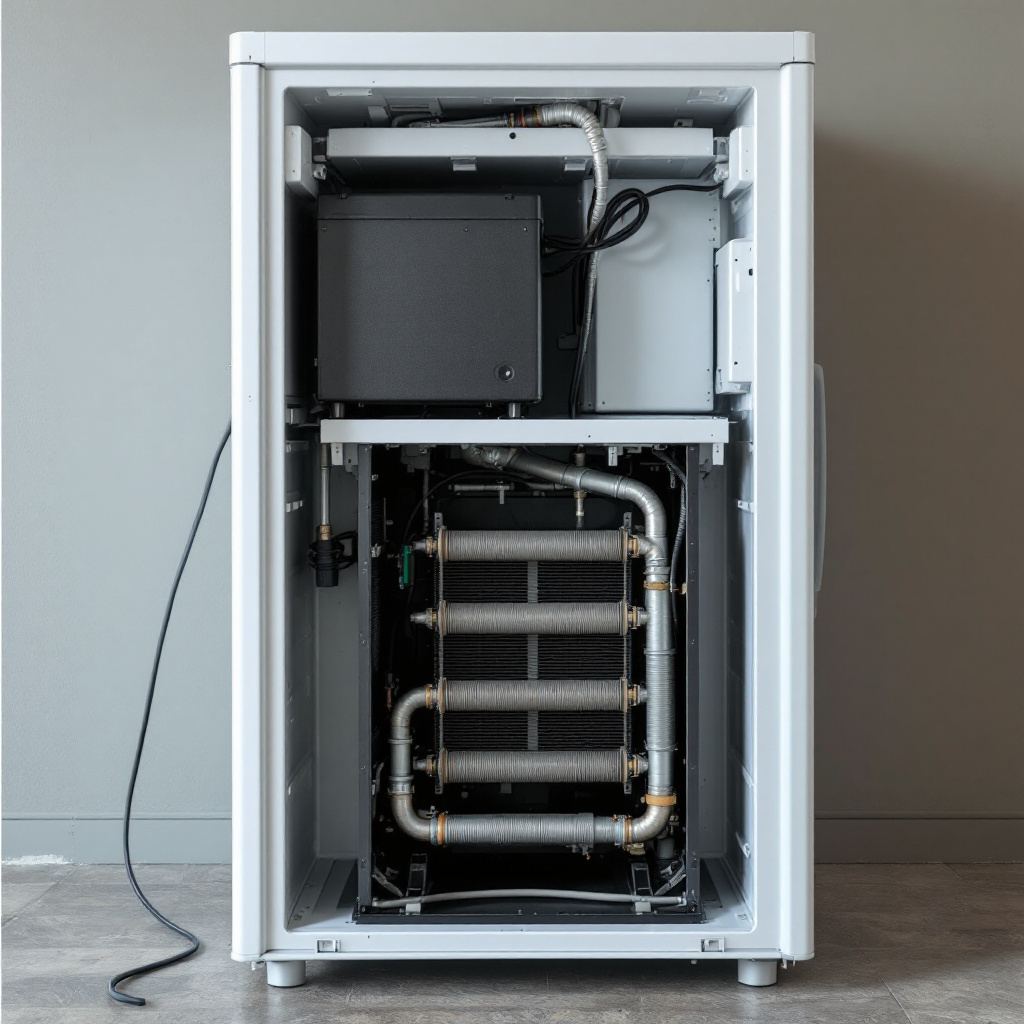
refrigerator compressor failure issues are something we see regularly in North Vancouver homes. The compressor is the most expensive single component in any refrigerator — and the one homeowners are most often told they need to replace when they actually don’t. A genuine compressor failure is dramatic and unmistakable. The “compressor is dying” diagnosis you sometimes hear is, in our experience, wrong about half the time. The actual culprit is usually a relay, capacitor, condenser fan, or even just a dirty coil.
This guide walks through the six symptoms that genuinely point to compressor trouble, what they mean, and how to decide between repair and replacement.
What the compressor actually does
The compressor is a sealed motor and pump that circulates refrigerant through the coils on the back or bottom of your fridge. Compressed refrigerant condenses, then expands rapidly inside the evaporator coils, pulling heat out of the food compartment. When the compressor stops working — or starts working badly — the temperature inside the fridge climbs.
Symptom 1: The fridge isn’t cold but the light still works
This is the most common reason people suspect compressor failure. The fridge has power, the interior light comes on, but the inside is room temperature.
What it actually means: 80% of the time, this is not the compressor. The most likely causes, in order:
- Dirty condenser coils — the coils on the back or bottom of the fridge are caked with dust, preventing heat from escaping. Cleaning them with a coil brush solves it.
- Condenser fan motor failed — the small fan that blows air over the coils has stopped. The compressor is fine; it just can’t reject heat.
- Start relay failed — the small electrical component that helps the compressor start has failed. The compressor itself is fine but isn’t getting the kick it needs.
- Thermostat or control board issue — the fridge isn’t telling the compressor to run.
If a technician immediately blames the compressor without checking these four cheaper causes, get a second opinion.
Symptom 2: The fridge is running constantly and never cycles off
A healthy compressor cycles on for 20-40 minutes, then off for 10-20 minutes. If yours runs nonstop and the inside still isn’t cold enough, the compressor is working but losing the battle.
What it means: The refrigerant charge may be low (typically from a slow leak in the sealed system), or the compressor is losing efficiency from age and wear. Both can be diagnosed by measuring pressures, but the compressor itself may still have years of life left in it.
Symptom 3: Loud humming, buzzing, or clicking from the back of the fridge
The compressor produces a low background hum during normal operation. Symptoms that suggest a problem:
- Loud humming that’s louder than usual — internal bearings are wearing out
- Buzzing followed by silence on a 3-5 minute cycle — the start relay is firing, the compressor tries to start, fails, and a thermal overload cuts power; this cycle repeats
- Loud rapid clicking from a small box attached to the compressor — the start relay has failed (good news — this is a cheap, fast repair)
Clicking is almost always the relay, not the compressor. Don’t replace the compressor on the basis of clicking alone.
Symptom 4: The fridge clicks on, runs for a few seconds, then stops
Classic “starts and stops” pattern. The compressor is trying to run but something is shutting it down within seconds.
What it means: Usually a failed overload protector, a failed start capacitor, or a stuck start relay — all parts that protect the compressor and are cheap to replace. Occasionally it’s the compressor itself drawing too much current because of internal seizure, but this is the less common diagnosis.
Symptom 5: The back of the fridge is hot to the touch (but the food isn’t cold)
Some warmth at the back is normal — that’s the condenser shedding heat. But if it’s too hot to touch and your food isn’t cold:
- Dirty coils are the most common cause (clean them with a coil brush)
- Condenser fan has failed
- The fridge is jammed up against a wall or in a too-small cabinet with no airflow
If all of the above are ruled out, the compressor may be working harder than it should because of low refrigerant or internal wear.
Symptom 6: A burning smell or visible oil residue near the compressor
This is the one symptom that almost certainly points to compressor failure. A burning smell means electrical insulation inside the compressor has broken down. Oil residue on or under the compressor means the sealed system has been compromised.
What to do: Unplug the fridge immediately and call a technician. Don’t try to keep using it — the compressor can short out internally and damage the fridge’s wiring.
Repair vs. replace: how to decide
Compressor replacement is the most expensive single repair on a refrigerator. As a general rule:
- Fridge is under 8 years old: repair is usually the right call. The rest of the fridge has years of life left.
- Fridge is 8-12 years old: the decision depends on the brand. Premium brands (Sub-Zero, Miele, high-end Bosch) are worth repairing well into their second decade. Mid-tier brands (Samsung, LG, Whirlpool, GE) are a closer call.
- Fridge is over 12 years old: replacement is usually smarter unless it’s a premium built-in unit.
The other factor is the actual repair cost — a relay or capacitor failure that mimics compressor failure is a 20-minute, low-cost repair regardless of fridge age. Don’t authorize a full compressor swap without a written quote and a clear explanation of what specifically tested as failed.
Get a proper diagnosis before you pay for a compressor
The single most important thing you can do is have a technician test the cheaper failure points — relay, capacitor, condenser fan, condenser coils, thermostat — before condemning the compressor. We diagnose refrigerator problems on-site, give you a clear written quote, and never recommend a compressor replacement when a $40 relay would fix the same symptom. We service all major fridge brands across North & West Vancouver.