
Dishwasher Door Won’t Latch or Close Properly? Here’s the Fix
A dishwasher door won’t latch properly — and that’s an immediate problem — the machine won’t start a cycle at all if the door latch switch doesn’t engage. Every dishwasher has a door safety interlock: the latch must click into the strike plate and the switch must confirm the door is closed before any water […]
 4 min read
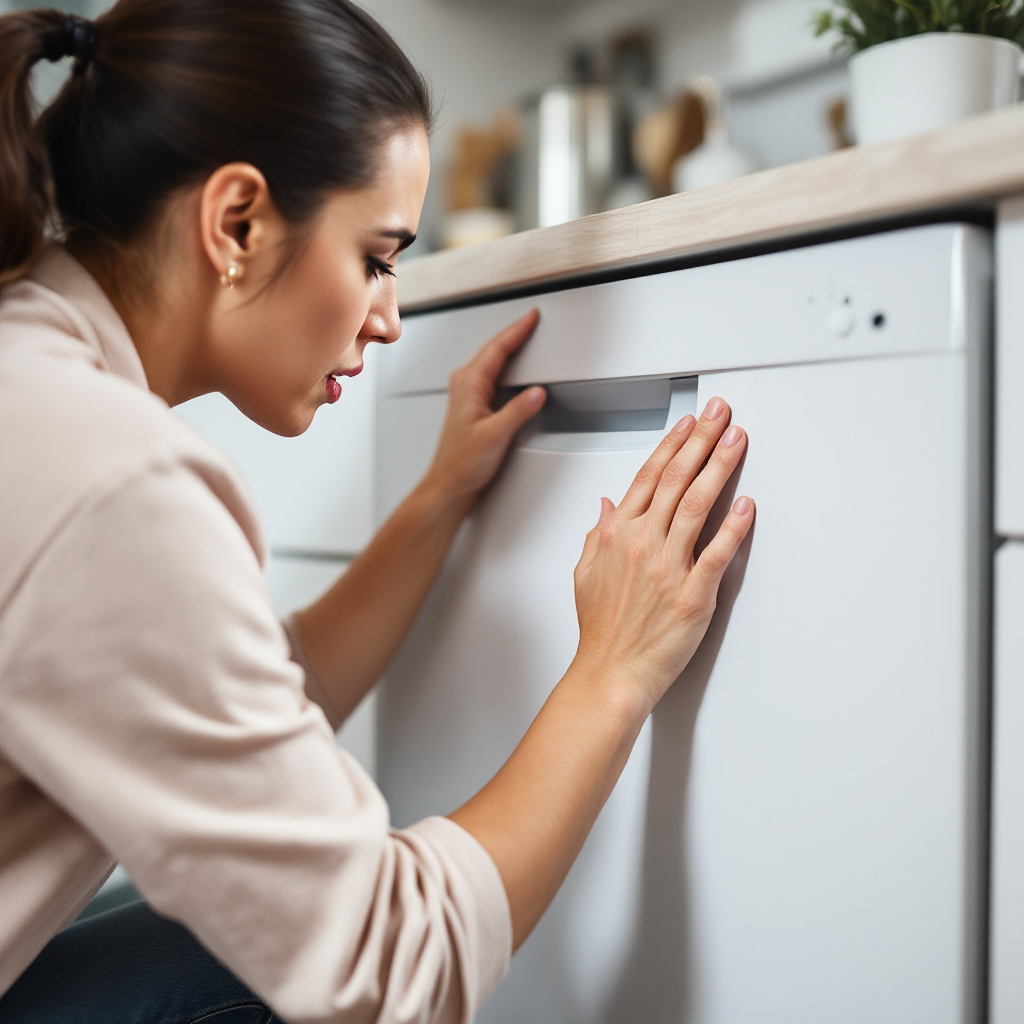
A dishwasher door won’t latch properly — and that’s an immediate problem — the machine won’t start a cycle at all if the door latch switch doesn’t engage. Every dishwasher has a door safety interlock: the latch must click into the strike plate and the switch must confirm the door is closed before any water is allowed into the machine. If the latch is broken, misaligned, or worn, the dishwasher simply won’t run.
This guide covers every cause of a dishwasher door that won’t latch or close fully, and what each fix involves.
How the Dishwasher Door Latch Works
The door latch is a spring-loaded mechanism on the top of the door that hooks into a strike plate on the dishwasher tub frame when the door is closed firmly. As the latch engages, it also depresses a micro-switch that signals the control board the door is safely shut. Without this signal, the control board won’t allow a cycle to begin — regardless of what buttons you press.
1. The Latch Is Worn or Broken
This is the most common cause. The door latch takes thousands of open-and-close cycles over the life of the appliance. The plastic latch assembly can crack, the spring can weaken, or the hook can wear down until it no longer catches on the strike plate reliably.
- Inspect the latch visually — look for cracks in the plastic, a hook that looks worn or deformed, or a spring that doesn’t push the latch back to its engaged position.
- Try closing the door firmly and listen for a clear click. A latch that clicks but the machine still won’t start has a different problem (the switch, below).
- Latch assembly replacement is an inexpensive repair ($15–$40 for the part) and is accessible from inside the door panel on most models.
2. The Door Latch Switch Has Failed
The latch can be mechanically intact — clicking into place firmly — but the micro-switch it activates may have failed electrically. In this case the door closes and latches but the machine doesn’t recognise it as closed and won’t start.
- Test by pressing the latch manually with your finger while the door is open — if the machine responds (lights change, cycle can be initiated), the latch is working but the switch is failing to be depressed by the latch mechanism.
- Switch testing requires a multimeter — with the dishwasher unplugged, the switch should show continuity when the latch is engaged and no continuity when released.
- On many models, the switch is part of the latch assembly and replaced together with it.
3. The Door Is Misaligned
If the dishwasher has been bumped, if the hinges have loosened, or if the appliance has shifted on uneven flooring, the door may have dropped slightly — causing the latch to miss the strike plate or engage at the wrong angle.
- Close the door slowly and watch whether the latch lines up with the strike plate, or whether it’s hitting above or below it.
- Check the door hinges — loose hinge screws allow the door to sag. Tighten any loose screws on both hinges.
- Some models have an adjustable strike plate that can be repositioned slightly to compensate for door sag.
- If the dishwasher itself has shifted, re-level it using the adjustable feet.
4. Warped or Distorted Door
A dishwasher door that has been pulled on too hard, has had heavy items hung on it, or has been slammed repeatedly can warp slightly — enough to prevent the latch from lining up correctly. This is more common on plastic inner door panels.
- Look at the door from the side when it’s held at the open position — does it sit flat, or is there a curve or twist?
- Significant door warping usually requires door panel replacement rather than adjustment.
5. Buildup on the Strike Plate
Detergent residue, grease, and mineral deposits can build up on the strike plate — the recessed metal piece the latch hooks into. A thick buildup can prevent the latch from fully seating.
- Clean the strike plate with a toothbrush and white vinegar.
- Check that no debris is lodged inside the strike plate recess.
- This is quick to check and often overlooked.
Consequences of Running a Dishwasher With a Damaged Latch
A door that latches but not securely can open mid-cycle — flooding your kitchen floor. This is not a minor risk. A dishwasher latch issue should be repaired before running another cycle. Our guide on fixing a leaky dishwasher covers the water damage scenarios that result from door seal and latch failures.
If the latch is broken and the dishwasher isn’t starting, check also whether any error codes are displayed — our appliance error code guide can help decode what the machine is reporting. And if you’re also seeing water pooling at the bottom that doesn’t drain between cycles, our dishwasher not draining guide addresses that separately.
When to Call a Professional
Latch assembly replacement is a straightforward DIY repair on most models. If the latch is replaced and the machine still won’t start, the switch wiring or control board needs professional testing.
North Vancouver Appliances repairs dishwasher door, latch, and control issues across the North Shore. Visit our dishwasher repair page to book a visit.