
Refrigerator Frost Buildup on Back Wall: Causes and How to Fix It
Seeing refrigerator frost buildup on back wall is one of those things that starts small and seems harmless — a thin film of frost after the fridge has been running for a few days. But if that frost is thick, icy, or covering a significant portion of the back panel, it’s telling you something important […]
 6 min read
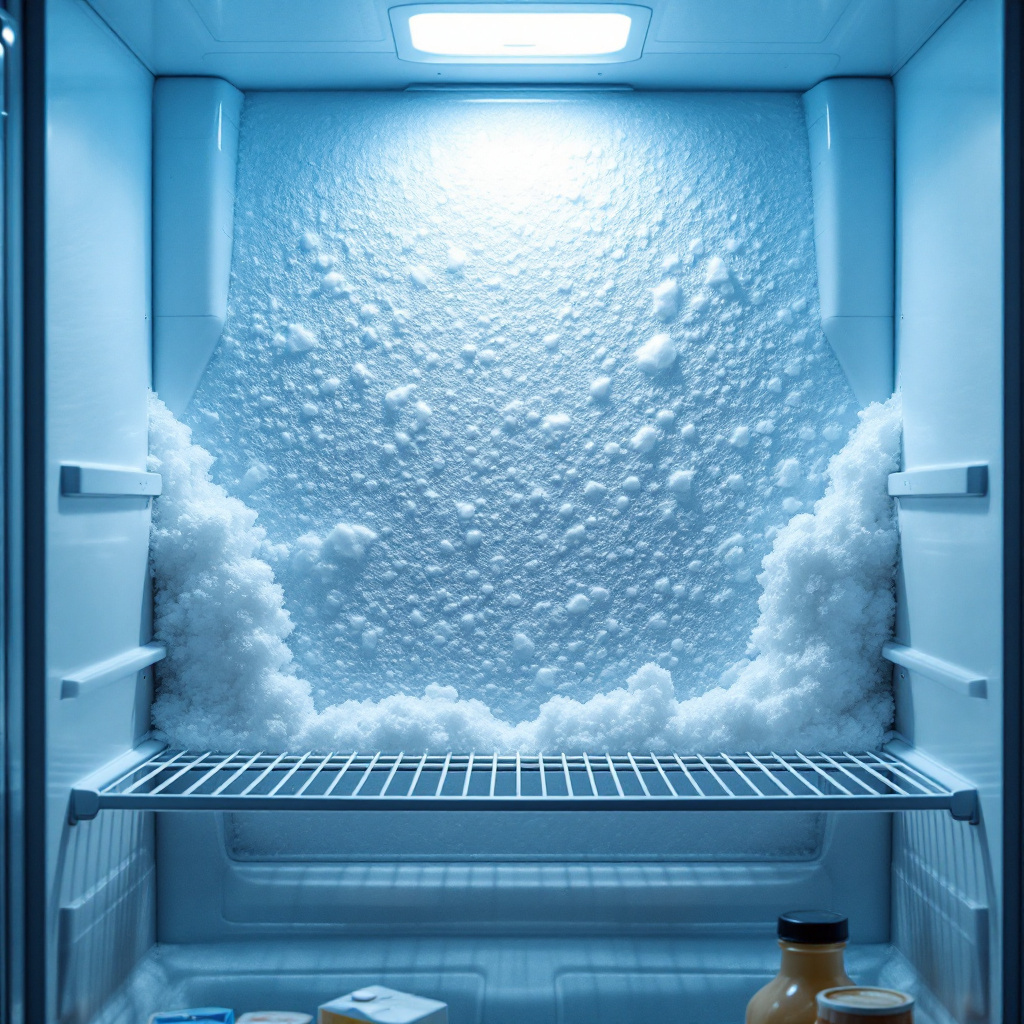
Seeing refrigerator frost buildup on back wall is one of those things that starts small and seems harmless — a thin film of frost after the fridge has been running for a few days. But if that frost is thick, icy, or covering a significant portion of the back panel, it’s telling you something important about your refrigerator’s defrost system. Left unaddressed, heavy frost buildup leads to reduced cooling efficiency, higher electricity bills, and eventually food that isn’t being kept at a safe temperature.
Let’s walk through exactly why frost appears where it does and what to do about it.
Why Does Frost Form on the Back Wall at All?
The back wall of your refrigerator compartment is where the evaporator coil sits (usually behind a plastic panel). The evaporator is extremely cold — it absorbs heat from inside the fridge to keep your food cool. Any moisture in the air that comes into contact with this cold surface freezes. This is normal and expected — which is why refrigerators have an automatic defrost cycle that runs several times per day, melting accumulated frost so water drains out through a small drain hole at the bottom of the fridge. When you see frost building up on the back wall, it usually means this automatic defrost cycle isn’t working correctly.
A Small Frost Film vs. a Real Problem
A thin, even coating of frost on the back wall immediately after the fridge door has been opened multiple times on a humid day is not concerning — it should disappear within an hour as the next defrost cycle runs. What signals a problem:
- Thick ice (more than about 5mm) that doesn’t melt away on its own
- Frost or ice covering the entire back panel or spreading to the sides and floor
- Ice forming on food or packaging near the back wall
- Reduced cooling despite the compressor running constantly
- Water pooling under the crisper drawers (defrost drain is blocked)
Common Causes of Excess Frost Buildup
1. Faulty Defrost Heater
The defrost heater is an electric element wrapped around the evaporator coil. When the defrost cycle activates, this heater switches on to melt accumulated frost so it drains away. If the heater burns out or its thermal limiter fails, frost accumulates without being cleared. Eventually the coil behind the back wall freezes solid, and cooling performance drops sharply. A failed defrost heater is the most common cause of severe frost buildup.
2. Bad Defrost Thermostat or Thermal Limiter
The defrost thermostat monitors evaporator temperature and tells the heater when to turn on and off. A faulty thermostat can cause the heater to run too long (which can cause problems of its own) or never turn on at all. The thermal limiter is a one-time safety device that cuts the heater if temperatures get dangerously high — if it has tripped, the defrost cycle won’t run until it’s replaced.
3. Defrost Timer or Control Board Failure
Older fridges use a mechanical defrost timer that initiates the defrost cycle at set intervals. If the timer gets stuck in the cooling position, the defrost heater never activates. Newer models use the control board to manage defrost timing — a software or hardware fault on the board can have the same effect. If you have a mechanical timer, you can test it by manually advancing it past the defrost initiation point to see if the heater activates.
4. Door Seal Not Sealing Properly
A torn, warped, or dirty door gasket lets warm, humid air into the fridge constantly. That air hits the cold back wall, and the moisture freezes faster than the defrost cycle can handle it. Check your door gaskets by closing the door on a piece of paper — you should feel resistance pulling the paper out. If it slides freely, the seal isn’t tight enough.
5. Blocked or Frozen Defrost Drain
When the defrost heater melts frost, the water is supposed to run down a channel and out through a drain hole at the bottom of the refrigerator compartment, eventually evaporating in a pan near the compressor. If this drain becomes blocked with food debris or freezes over, meltwater backs up, refreezes, and adds to the ice buildup on the back wall. You may also notice water pooling under the vegetable drawers. Our guide on why your refrigerator is running but not cooling covers how a frozen evaporator (caused by blocked defrost) affects temperature.
6. Overpacking the Refrigerator
Blocking the air vents on the back wall of the fridge compartment restricts cold air circulation. When cold air can’t move properly, certain spots get much colder than intended, and frost forms faster. Make sure nothing is pushed tightly against the back wall vents.
How to Fix Frost Buildup
Short-Term Fix: Manual Defrost
The quickest way to clear existing frost buildup is a manual defrost. Remove all food, turn the fridge off (or set it to the defrost setting if available), and leave the door open. Place towels inside to absorb water. After 4–8 hours the frost will have melted completely. This resolves the symptom but not the underlying cause — if the defrost system isn’t working, frost will return within a few days.
Fixing the Root Cause
- Test the defrost heater: With the fridge unplugged and the back panel removed, use a multimeter to check continuity on the heater element. No continuity = faulty heater, replacement needed.
- Clear the defrost drain: Use a turkey baster or syringe to flush hot water down the drain hole at the bottom of the compartment (behind the back panel). If it’s frozen solid, a hair dryer on low can thaw it carefully.
- Check the door seals: Clean gaskets with warm soapy water and check for cracks. A damaged seal should be replaced — they’re model-specific and typically $20–$50.
- Advance the defrost timer: On fridges with a mechanical timer (usually behind the fridge or inside the control panel), use a screwdriver to manually advance it until you hear a click and the compressor stops — this indicates the defrost cycle has started. If the heater activates and frost melts, the timer is likely stuck and needs replacement.
When to Call for Help
If you’ve done a manual defrost and frost returns within a few days, you’re dealing with a defrost system component failure. Diagnosing whether it’s the heater, thermostat, timer, or control board requires testing each component individually — something our technicians can do efficiently in one visit. The refrigerator repair team at North Vancouver Appliances handles defrost system repairs regularly, often same-day in the North Shore area.
If your freezer is also having trouble, the two problems are usually related — see our troubleshooting guide on what to do when your freezer stops freezing for more on shared defrost system failures.
Preventing Frost Buildup
- Don’t leave the fridge door open longer than necessary, especially in humid summer weather.
- Avoid putting hot food directly into the refrigerator — let it cool to room temperature first.
- Keep the back wall vents clear — leave at least 2–3 cm between food and the back panel.
- Check door gaskets seasonally and clean them — a small piece of grit or food debris can hold the seal open.
- If your fridge has an air filter, replace it per the manufacturer’s schedule — dirty filters can affect airflow patterns.
Summary
Refrigerator frost buildup on the back wall is almost always caused by a defrost system problem — a failed heater, thermostat, timer, or a blocked drain. A thin frost film is normal; heavy, persistent ice is not. Start with a manual defrost to clear the buildup and restore cooling, then investigate the root cause. Most defrost component repairs are affordable and significantly extend the life of your refrigerator — much better than letting a frozen evaporator coil force a premature replacement.