
Refrigerator Not Making Ice Fast Enough? 6 Reasons and Fixes
A refrigerator not making ice fast enough is one of the most common summer complaints we hear — just when you need ice the most, the maker can’t keep up. Most ice makers produce between 8 and 10 pounds of ice per day under ideal conditions, but several common factors can cut that output in […]
 4 min read
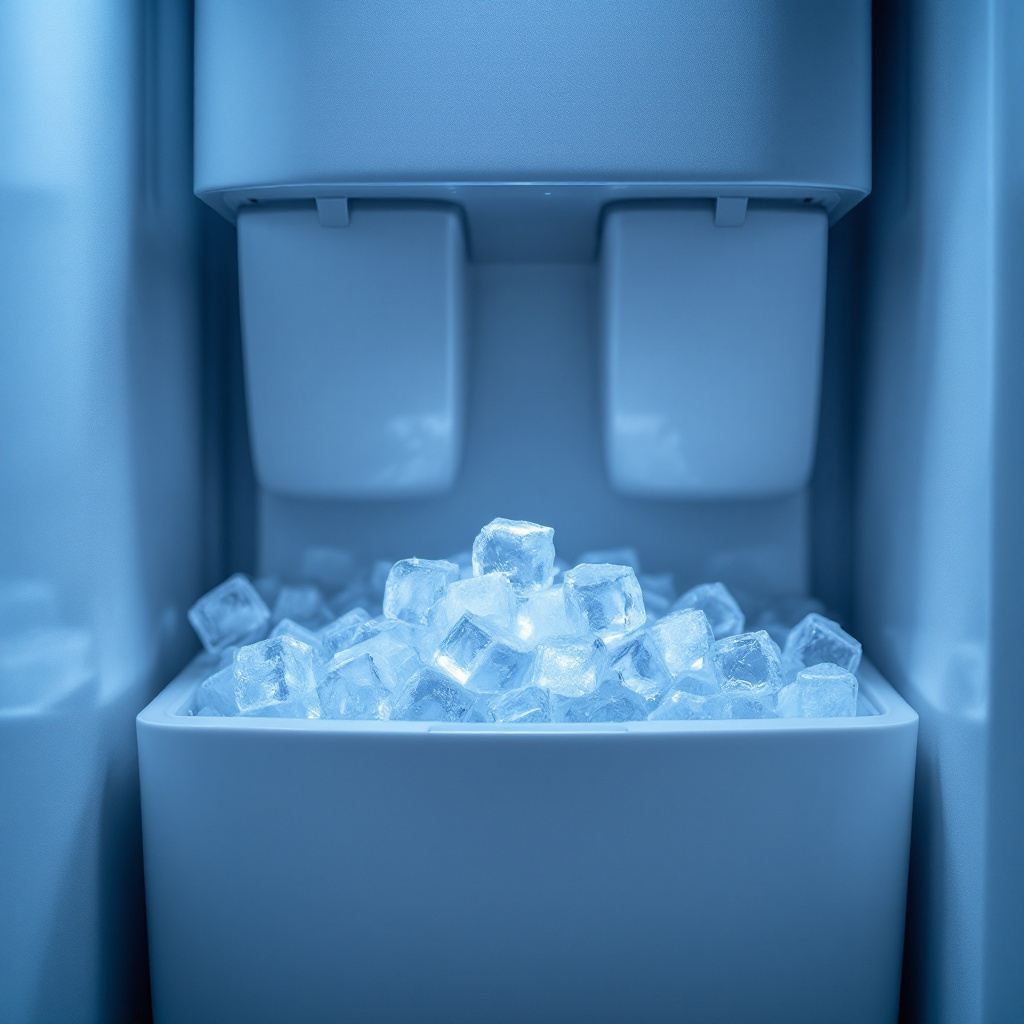
A refrigerator not making ice fast enough is one of the most common summer complaints we hear — just when you need ice the most, the maker can’t keep up. Most ice makers produce between 8 and 10 pounds of ice per day under ideal conditions, but several common factors can cut that output in half or slow it to a trickle. The good news is that most causes are easy to diagnose and fix without a service call.
How Ice Makers Work
Your refrigerator’s ice maker runs a simple cycle: water flows in through the inlet valve, fills a mould tray, freezes solid, then the heater warms the tray briefly so the cubes release into the bin. A thermostat triggers each cycle. Most ice makers complete a cycle every 90 minutes to 3 hours, producing 8–12 cubes per batch. If the cycle takes longer, produces fewer cubes, or partially fails, your bin empties faster than it fills.
6 Reasons Your Ice Maker Is Too Slow
1. Freezer Temperature Too High
The single most common cause. Ice makers need the freezer to be at or below -18°C (0°F) to freeze water efficiently. If your freezer runs warmer — even by a few degrees — each ice cycle takes significantly longer. Check your freezer temperature with a thermometer and adjust if needed. If the freezer is struggling to stay cold, there may be a broader cooling issue at play — see our guide on refrigerators running but not cooling for related causes.
2. Clogged or Overdue Water Filter
A clogged water filter restricts flow to the ice maker, slowing fill time and reducing cube size. Most manufacturers recommend replacing the filter every 6 months. When was yours last changed? A clear sign it’s overdue: the ice cubes are smaller than usual, or you hear the ice maker running but producing very little. Filters cost $20–$50 depending on brand and are a simple twist-and-replace job.
3. Low Water Pressure
Ice makers need a minimum water pressure of around 140–550 kPa (20–80 psi) to fill the tray properly. If your home’s water pressure is low — common in older North Vancouver homes or units on upper floors — the fill valve can’t open fully, and each batch takes longer. Test by checking the water dispenser flow rate: if it’s sluggish, low pressure is likely the issue across both the ice maker and dispenser.
4. Faulty or Slow Water Inlet Valve
The water inlet valve is a solenoid valve at the back of the fridge that controls water flow to the ice maker. Over time, mineral deposits from hard water can partially clog the valve screen, reducing flow. A valve that’s failing electrically may open slowly or not fully. You can check the valve screen by pulling the fridge forward and inspecting the inlet point — a partially clogged screen can be cleaned carefully with a needle and warm water.
5. Ice Maker Thermostat or Sensor Issue
The ice maker’s internal thermostat tells it when the ice is frozen solid and ready to harvest. If this thermostat is reading temperatures inaccurately, the maker may wait longer than necessary before each harvest cycle, slowing overall output. A thermostat that’s slightly off won’t stop ice production entirely — it just stretches each cycle. This is harder to diagnose without testing equipment and is usually a technician repair.
6. Ice Bin Overfull or Blocked Sensor
Most ice makers have a shutoff arm or infrared sensor that stops production when the bin is full. If ice cubes clump together (common in summer humidity) and hold the arm up, or if the sensor lens is dirty or frosted over, the ice maker may think the bin is full when it isn’t. Check that the arm can move freely, break up any clumped ice, and wipe the sensor lens with a dry cloth.
Quick Diagnostic Steps
- Set freezer to -18°C and wait 24 hours — this alone fixes a large percentage of slow ice maker complaints
- Check when the water filter was last replaced — if over 6 months ago, replace it
- Dispense water from the door and note the flow rate — sluggish flow points to pressure or valve issues
- Look at the shutoff arm position and check for ice clumps in the bin
- Check your ice maker not working guide if the maker has stopped entirely rather than just slowed
When to Call for Service
If the freezer temperature is correct, the filter is fresh, and the water pressure is adequate, but ice production is still slow, the inlet valve or ice maker thermostat likely needs replacement. The refrigerator repair team at North Vancouver Appliances diagnoses ice maker issues regularly and can usually identify the failing component in one visit.
Improving Ice Maker Output
- Keep the freezer at least 75% full — a full freezer maintains temperature better, which speeds up ice production
- Replace the water filter on schedule — every 6 months or 300 gallons
- Don’t store hot food in the freezer — it raises the temperature temporarily and stalls ice cycles
- Clean the condenser coils annually — dirty coils make the fridge work harder and can affect freezer temperature
Summary
A refrigerator not making ice fast enough is usually caused by a high freezer temperature, a clogged water filter, low water pressure, a slow inlet valve, a thermostat issue, or a blocked bin sensor. Work through the checks in order — the first two (temperature and filter) are responsible for the majority of cases and cost nothing but a few minutes and a $30 filter to fix.