
Dishwasher Leaving Residue on Dishes? Here’s Why and How to Fix It
A dishwasher leaving residue on dishes is frustrating — you run a full cycle, open the door expecting clean dishes, and find a gritty white film or chalky deposit on everything. This is one of the most common dishwasher complaints, and it almost always has a straightforward fix. In most cases it comes down to […]
 4 min read
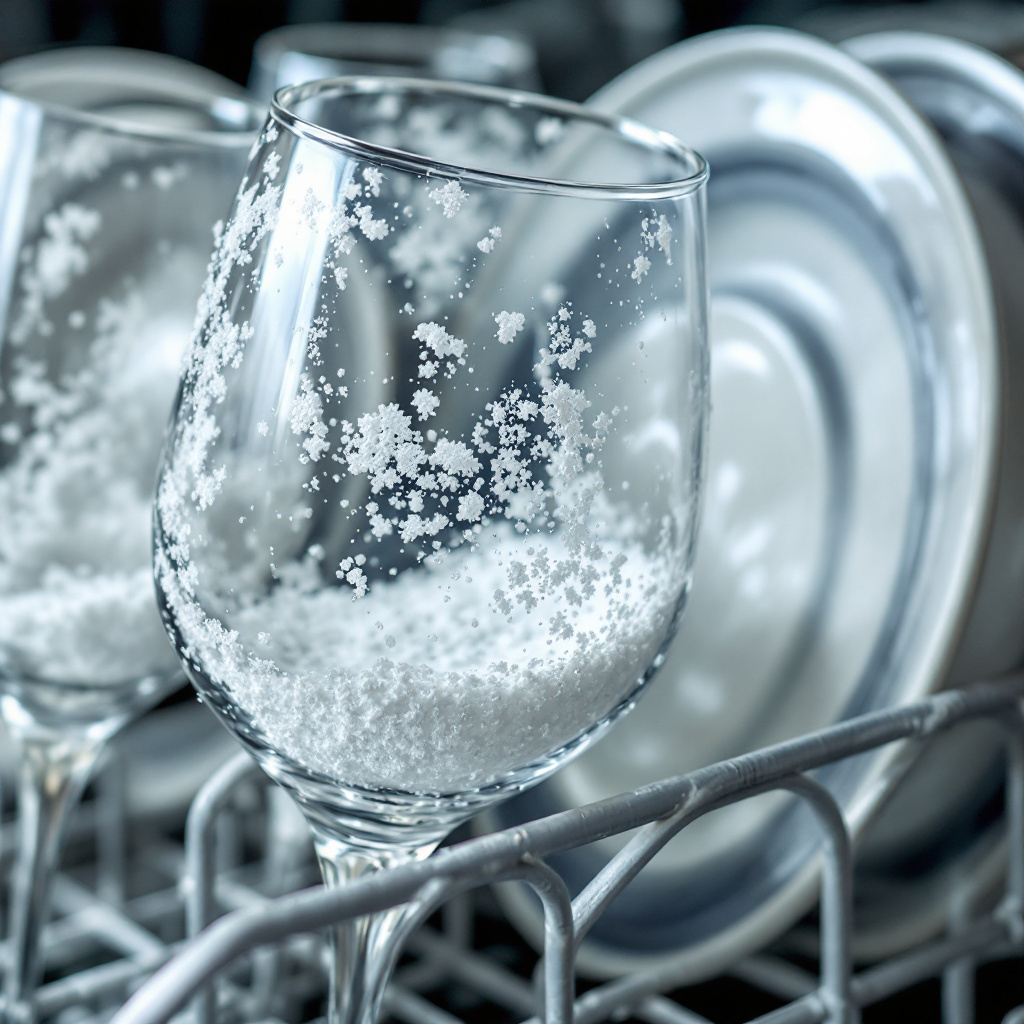
A dishwasher leaving residue on dishes is frustrating — you run a full cycle, open the door expecting clean dishes, and find a gritty white film or chalky deposit on everything. This is one of the most common dishwasher complaints, and it almost always has a straightforward fix. In most cases it comes down to water hardness, detergent choices, or a mechanical issue with the spray system.
Types of Residue and What They Mean
- White chalky film — almost always hard water mineral deposits (calcium and magnesium)
- Gritty or sandy texture — undissolved detergent or food particles not being rinsed away
- Greasy or cloudy film — water temperature too low, or a rinse aid issue
- Brown or rust-coloured spots — iron in the water supply or a corroding dishwasher component
Common Causes and Fixes
1. Hard Water
North Vancouver’s water is relatively soft by Canadian standards, but water hardness still varies by area and building. Even moderately hard water leaves mineral deposits on dishes when the rinse water dries. The deposits are harmless but unsightly. Fix: use a rinse aid consistently (it helps water sheet off dishes rather than forming droplets that leave mineral rings), and run a monthly dishwasher cleaning cycle with a commercial descaler or a cup of white vinegar in the bottom rack. Our guide on dishwasher white film on glasses covers hard water solutions in detail.
2. Not Enough Rinse Aid
Rinse aid is often overlooked but makes a significant difference in residue prevention. It reduces surface tension so water runs off dishes cleanly instead of pooling and leaving deposits. Check the rinse aid dispenser — most dishwashers have a window or indicator. If empty, refill it. If you’re already using rinse aid but still seeing film, try increasing the dispenser setting (there’s usually an adjustable dial inside the cap).
3. Blocked or Dirty Spray Arms
The spray arms distribute water throughout the dishwasher. If the small holes in the arms get clogged with food debris, mineral buildup, or detergent residue, water doesn’t reach all areas — dishes in certain spots come out dirty or with detergent residue that wasn’t rinsed off. Remove the spray arms (they usually unscrew or unclip) and run water through each hole to clear blockages. Use a toothpick to clear individual clogged holes.
4. Wrong Detergent Amount or Type
Too much detergent leaves a residue, especially if the water is soft. Too little leaves food on dishes. Powder detergent that’s old or clumped dissolves poorly and can leave gritty deposits. Use fresh detergent, follow the dosing instructions for your water hardness, and consider switching to dishwasher pods (tablets) which are pre-measured and dissolve reliably. Avoid washing-up liquid — even a small amount causes excessive suds that leave a film.
5. Water Temperature Too Low
Dishwashers need water at 50–60°C to activate detergent fully and rinse cleanly. If your hot water heater is set too low, or if the dishwasher starts before the hot water has had time to reach the kitchen, detergent won’t dissolve properly and residue builds up. Run the kitchen hot tap for 30 seconds before starting the dishwasher — this ensures hot water is ready at the connection. Check that your water heater is set to at least 49°C.
6. Dirty Filter or Drain Basket
The dishwasher filter catches food particles so they don’t recirculate onto clean dishes. If the filter is clogged, dirty water recirculates during the rinse cycle, depositing grime back onto dishes. Most modern dishwashers have a manual filter that needs cleaning monthly — it’s typically at the bottom of the tub, twist-off. Rinse it under the tap and use a soft brush to clean the mesh. A clogged filter also contributes to dishwasher draining problems if left too long.
Step-by-Step Fix Checklist
- Clean the filter — monthly is ideal
- Top up or refill the rinse aid dispenser
- Remove and clear the spray arms
- Run the hot tap before starting a cycle
- Run a cleaning cycle with a dishwasher cleaner tablet
- Adjust detergent amount — less is often better in soft water
When the Residue Problem Is Mechanical
If cleaning the filter, clearing the spray arms, and adjusting rinse aid all fail to resolve the residue, the issue may be with the wash pump delivering insufficient water pressure, or with the heating element not bringing water to the right temperature. These are mechanical issues that benefit from a professional dishwasher repair diagnostic. A technician can verify water temperature at the inlet and check pump pressure in one visit.
Also worth checking: if your dishes are coming out with residue AND not fully dry, the two issues often share a root cause — see our tips on getting your dishwasher to dry dishes properly for overlapping solutions.
Summary
A dishwasher leaving residue on dishes is almost always caused by hard water, insufficient rinse aid, blocked spray arms, wrong detergent dosing, low water temperature, or a dirty filter. Work through the checklist above — most cases are resolved with basic maintenance and a few product adjustments, no technician required.