
How to Deep Clean Your Washing Machine Drum
Knowing how to deep clean your washing machine drum is one of the most impactful maintenance steps you can take for your laundry appliances. Your machine cleans your clothes every week — but over time, detergent residue, fabric softener, mineral deposits, and body soil accumulate inside the drum, in the door seal, and throughout internal […]
 5 min read
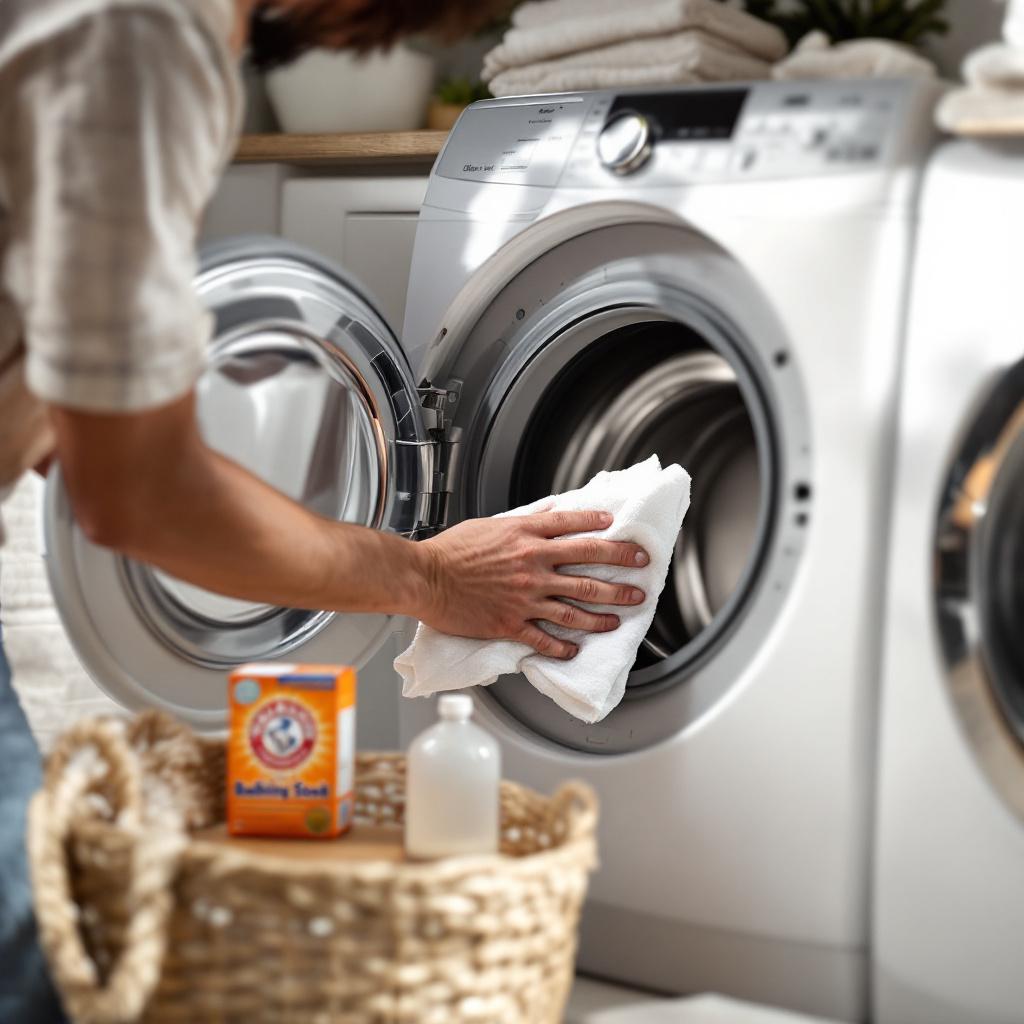
Knowing how to deep clean your washing machine drum is one of the most impactful maintenance steps you can take for your laundry appliances. Your machine cleans your clothes every week — but over time, detergent residue, fabric softener, mineral deposits, and body soil accumulate inside the drum, in the door seal, and throughout internal components. The result is a machine that smells musty, leaves residue on clothes, and performs less efficiently with every wash.
Deep cleaning your washing machine drum is a simple maintenance task that takes about an hour of active work and significantly extends the life of the appliance. Read on for a complete step-by-step guide for both front-loading and top-loading machines.
Why Washing Machine Drums Get Dirty
Modern laundry detergents — particularly HE (high-efficiency) formulas — are designed to rinse clean at low temperatures and with less water. When you use too much detergent, or wash frequently on cold cycles, residue builds up faster than it rinses away. Over weeks and months, this creates a biofilm inside the drum that traps bacteria and produces that characteristic sour or mildew smell.
Hard water accelerates the problem by depositing calcium and magnesium minerals on drum surfaces, the heating element, and pump components. These deposits reduce heating efficiency and can eventually clog pump filters. All of this is one reason why regular appliance maintenance matters far beyond just cleaning — it directly affects energy use and component lifespan.
What You’ll Need
- White vinegar (distilled) — 500ml to 1 litre
- Baking soda — half a cup
- A commercial washing machine cleaner tablet (optional, but effective)
- A clean cloth or sponges
- An old toothbrush or small scrubbing brush
- Rubber gloves
Avoid bleach in machines with rubber door seals — it degrades the rubber over time. Vinegar and baking soda are effective and safe for all machine components.
Deep Cleaning a Front-Loading Drum
Step 1: Clean the door seal (gasket)
The rubber gasket around the front-loading door is the number one place where mould, mildew, and debris accumulate. Pull back the folds of the gasket all the way around and inspect for black or grey mould, debris, coins, socks, or standing water.
- Mix equal parts white vinegar and water in a spray bottle.
- Spray the gasket thoroughly, including inside the folds.
- Use the toothbrush to scrub any mould or residue from the folds.
- Wipe clean with a damp cloth, then dry with a dry cloth.
Step 2: Clean the detergent drawer
Pull the drawer fully out (press the release tab usually located at the back of the drawer slot). Remove all inserts and wash them under hot running water. Scrub any residue from the drawer housing using the toothbrush. Rinse and replace.
Step 3: Run a hot cleaning cycle
Pour 500ml of white vinegar directly into the drum (not the detergent drawer). Select the hottest, longest cycle available — usually called “Drum Clean,” “Tub Clean,” or “Cotton 90°.” Run the full cycle.
Step 4: Run a second cycle with baking soda
After the vinegar cycle completes, add half a cup of baking soda to the drum. Run another hot cycle. The baking soda neutralises any remaining vinegar smell and helps lift residue that the vinegar loosened.
Step 5: Wipe down the drum
Use a clean damp cloth to wipe down the inside of the drum after the final cycle. Pay attention to the drum paddle holes where moisture and residue can hide.
Deep Cleaning a Top-Loading Drum
Step 1: Fill and add vinegar
Set the machine to the largest load size and the hottest water temperature. Start the cycle and let the drum fill completely with water. Once full, add 1 litre of white vinegar and pause the cycle. Let the vinegar-water mixture soak in the drum for at least 30 minutes — up to an hour for machines that haven’t been cleaned recently.
Step 2: Scrub the drum interior
While the machine is paused and soaking, use a cloth dipped in the vinegar water to wipe down the top of the drum, the agitator (if present), and the inside surfaces above the waterline. Scrub any visible residue or mineral deposits.
Step 3: Complete the cycle
Resume and complete the full wash cycle. Then run a second cycle — also on hot and large load — with half a cup of baking soda added at the start.
Step 4: Clean the lid and exterior
Wipe down the lid, the top of the cabinet, and the control panel with a damp cloth. Don’t forget the detergent and fabric softener dispensers — these are best removed and soaked in warm water if possible.
Cleaning the Pump Filter
Front-loading machines have a small pump filter (also called a coin trap) accessible through a small door at the bottom front of the machine. This filter catches coins, buttons, and debris before they reach the pump. A clogged pump filter slows draining and can leave clothes wetter than expected — which our article on why your washing machine is leaving clothes too wet explores in more detail.
- Place a shallow tray and towels on the floor in front of the filter door — water will spill out.
- Unscrew the filter cap slowly, letting water drain into the tray.
- Remove the filter completely and rinse under hot water, scrubbing away any debris.
- Inspect the filter housing for foreign objects before reinstalling.
How Often Should You Deep Clean?
For most households, a thorough drum cleaning every 1–3 months is sufficient. If you wash frequently, have pets, or use your machine daily, monthly cleaning is ideal. The best habit is to run a drum clean cycle the first Sunday of every month — easy to remember and easy to keep up.
Between deep cleans, leave the door or lid ajar after each wash to allow moisture to evaporate from the drum and seal. This single habit dramatically reduces mould growth. Our broader guide on how to extend the lifespan of your washing machine covers this and several other habits that add years to your machine’s service life.
When to Call a Professional
If a thorough cleaning doesn’t resolve persistent odours, or if you notice mould returning within days of cleaning, there may be a more significant mould or biofilm problem inside the components — not just the drum surface. Likewise, if cleaning the pump filter doesn’t resolve slow draining, there may be a pump or hose issue that needs professional attention.
North Vancouver Appliances is happy to help with washing machine maintenance and repairs. Visit our washer repair service page to book a visit or get advice.