
Why Does My Refrigerator Smell Bad?
A refrigerator smells bad for specific, identifiable reasons — whether it’s a sour, musty, chemical, or outright rotting odour — is a common problem with very specific, identifiable causes. The smell isn’t just unpleasant; it can transfer to food and affect taste. Understanding where the smell is actually coming from is the key to eliminating […]
 4 min read
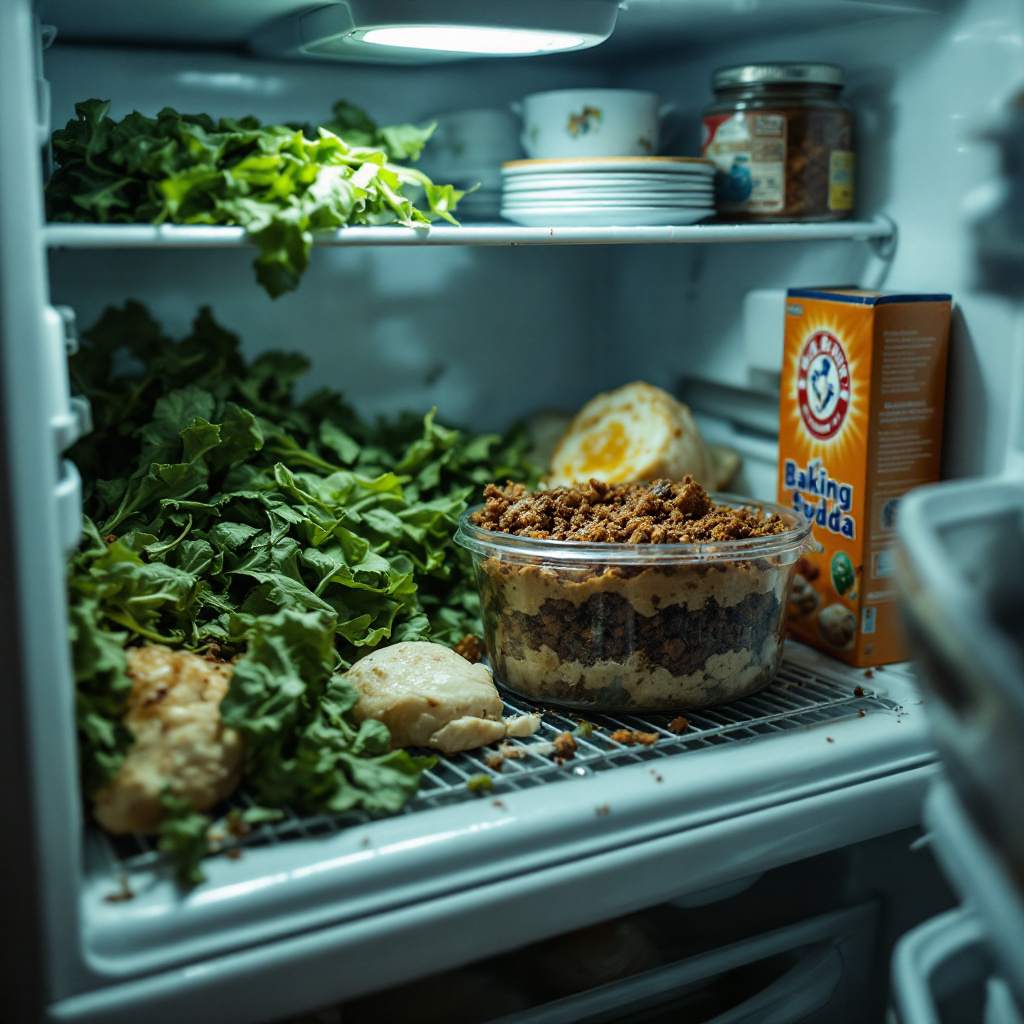
A refrigerator smells bad for specific, identifiable reasons — whether it’s a sour, musty, chemical, or outright rotting odour — is a common problem with very specific, identifiable causes. The smell isn’t just unpleasant; it can transfer to food and affect taste. Understanding where the smell is actually coming from is the key to eliminating it permanently rather than just masking it temporarily with baking soda.
The Most Common Sources of Refrigerator Smell
1. Forgotten or Spoiled Food
This sounds obvious, but a small piece of food that has fallen behind a drawer, slipped under the crisper, or been pushed to the back of a shelf can decompose unnoticed for weeks. Before any cleaning, do a thorough check of every shelf, drawer, and compartment — including under and behind all removable parts.
- Remove all drawers and shelves and check the compartments beneath and behind them.
- Check the door bins, particularly the lower ones where liquids can pool.
- Check the back wall — items pushed to the back can freeze against the wall and be forgotten.
2. Spills That Have Soaked Into Crevices
Liquid spills that run under shelves, into shelf tracks, and into the textured plastic surfaces of the interior walls can ferment and smell long after the visible surface appears clean. The textured plastic interior of a refrigerator traps odour-causing bacteria in its surface grain.
- Remove all shelves and drawers and wash them separately in warm soapy water.
- Wipe the interior walls, ceiling, and floor of the compartment with a solution of 1 tablespoon baking soda per cup of warm water — this neutralises rather than just masks odour.
- For stubborn odours in the plastic, white vinegar applied with a cloth and left for 10 minutes before wiping is more effective than soap.
- Pay particular attention to the shelf support tracks — these accumulate drips that are rarely cleaned.
3. The Drip Pan
This is one of the most overlooked sources of refrigerator smell. All refrigerators have a drip pan — a shallow tray located beneath the fridge, above the compressor. Water that drips from the defrost cycle is routed to this pan, where the compressor’s heat normally evaporates it. When the pan accumulates a layer of algae, mould, or decomposing food particles, it produces a musty or sour smell that rises up through the fresh food compartment.
- Access the drip pan by removing the rear kick grille or the panel at the back of the unit at floor level.
- Slide the pan out — be careful as it may contain water — and wash it thoroughly with warm soapy water and a dash of bleach.
- This should be cleaned at least once a year, or more frequently if the smell returns.
4. The Door Gasket
The rubber door gasket collects food residue, moisture, and mould in its folds — particularly on the lower sections where debris settles. A gasket with mould growth produces a musty odour every time the door opens.
- Pull back the gasket folds and inspect for visible mould or dark discolouration.
- Clean with a solution of equal parts white vinegar and water, using a toothbrush to reach into the folds.
- A gasket that’s heavily mould-damaged throughout its thickness may need replacement.
5. Foods That Naturally Produce Strong Odours
Some foods are simply very odorous and their smell permeates the fridge regardless of cleanliness: strong cheeses, cut onions, leftover fish, fermented foods. These are best stored in airtight containers. Once their odour has permeated the fridge interior, elimination rather than prevention is needed.
- Store all strong-smelling foods in sealed airtight containers, not just wrapped in cling film.
- After removal, clean the compartment with baking soda solution and place an open box of baking soda or a bowl of coffee grounds in the fridge to absorb residual odour over 24–48 hours.
6. A Refrigerant Leak (Chemical Smell)
A sharp chemical or ether-like smell — distinctly different from food odours — can indicate a refrigerant leak. This is uncommon but serious. Refrigerant itself is not strongly odorous, but some refrigerant compounds and the oils that travel with them have a distinctive chemical smell.
- If the smell is chemical and the fridge is also not cooling properly, a refrigerant issue is possible.
- A refrigerant leak requires professional diagnosis and repair — refrigerant handling is regulated and requires licensed technicians.
- Check our guide on why your refrigerator runs but doesn’t cool for related symptoms.
Preventing Refrigerator Smell Long-Term
- Do a weekly check for items approaching their expiry — dispose of anything that’s gone off immediately.
- Store leftovers in sealed containers, not open plates or loosely wrapped.
- Wipe spills immediately — don’t allow liquids to sit and seep under shelves.
- Clean the interior quarterly as routine maintenance.
- Keep a small open container of baking soda in the fridge and replace it every 3 months.
The habits that prevent refrigerator smell are the same ones that prevent the costly repairs that come from neglect. Our guide on common refrigerator mistakes that lead to costly repairs covers the full picture of refrigerator care.
When to Call a Professional
Cleaning is entirely DIY. A chemical smell that doesn’t go away after thorough cleaning — particularly if the fridge is also not cooling normally — warrants a professional inspection to rule out a refrigerant leak.
North Vancouver Appliances handles refrigerator diagnostics and repairs across the North Shore. Visit our refrigerator repair page to get in touch.
If you’re also seeing issues with your freezer compartment alongside the smell, these may be related symptoms worth investigating together.