Dryer Not Drying Clothes? Here’s What Might Be Wrong
If your dryer is running for the full cycle but clothes are still damp when you open the door, you’re not alone — this is one of the most common appliance complaints. The frustrating part is that the machine seems to be working fine (it runs, it tumbles, it makes heat) but the end result […]
 6 min read
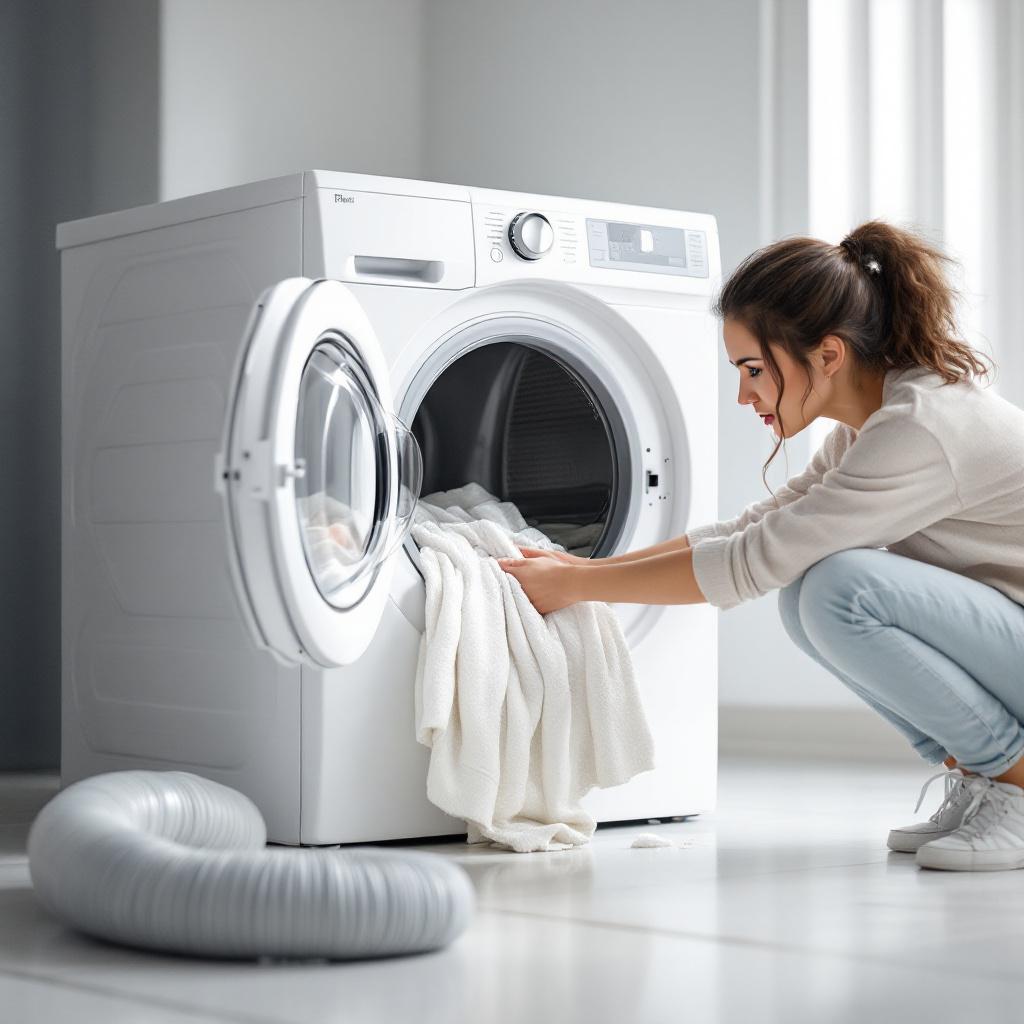
If your dryer is running for the full cycle but clothes are still damp when you open the door, you’re not alone — this is one of the most common appliance complaints. The frustrating part is that the machine seems to be working fine (it runs, it tumbles, it makes heat) but the end result is wrong. Understanding why this happens requires looking at the full picture of how a dryer actually dries clothes.
Effective drying depends on three things working together: heat, airflow, and tumbling. If any of these is impaired, drying performance suffers even if the other two are functioning. Let’s go through each possibility methodically.
1. The Lint Trap: Always Check This First
The lint trap is the first and most important maintenance point on any dryer. When it’s clogged, airflow through the machine drops dramatically — and without airflow to carry away moisture-laden air, even a dryer that’s producing plenty of heat can’t dry effectively.
- Remove and clean the lint screen before every single load — not occasionally, every time.
- If the screen looks clean but you notice a film or residue (often from fabric softener sheets), wash it with warm soapy water and a soft brush, then dry completely before reinstalling.
- A lint screen coated in dryer sheet residue blocks airflow significantly even when it appears clean.
- Also check the lint trap housing with a flashlight — lint can accumulate in the slot below the screen.
2. The Exhaust Vent Is the Most Overlooked Cause
Your dryer removes moisture by heating air and exhausting it — along with the evaporated water — through an exhaust duct to the outside of your home. If this duct is clogged, kinked, or too long, the moist air can’t escape effectively. The result is a dryer that takes 2–3 cycles to dry what should take one.
Signs of a blocked exhaust vent:
- Clothes are hot but still damp at the end of the cycle
- The laundry room feels unusually humid during a dryer cycle
- The outside vent flap (at the exterior wall) barely moves when the dryer is running
- Drying times have been gradually getting longer over weeks or months
What to do:
- Disconnect the flexible duct at the back of the dryer and clean it with a dryer vent brush (a long, flexible brush sold at hardware stores).
- Check the exterior vent cap to ensure the flap opens freely and isn’t blocked by debris, a bird nest, or ice (in winter).
- If the duct runs a long distance or has multiple bends, consider having it professionally cleaned — a blocked duct is also a fire hazard.
- Replace any plastic or foil flexible duct with rigid metal duct where possible — it resists crushing and lint buildup better.
A clogged exhaust vent can also cause the dryer to overheat and trip the thermal fuse — the connection between poor drying and overheating is direct, which is why our article on how to troubleshoot a dryer that’s overheating covers vent cleaning in detail as well.
3. Heating Element or Gas Valve Failure
If the dryer is tumbling but you notice the drum feels cool or barely warm during a cycle, the heating element (electric dryers) or gas valve (gas dryers) may have failed partially or completely.
Electric dryers:
- The heating element is a coiled wire that glows red when working properly. Over time, sections of the coil can break — and while a partial break may still produce some heat, drying performance drops noticeably.
- Testing the heating element for continuity with a multimeter is straightforward once you access the back panel.
- Replacement elements cost $20–$60 and are a manageable DIY repair on most models.
Gas dryers:
- Gas dryers use solenoid valves to control gas flow. If one or more solenoids fail, the burner may light intermittently or not at all.
- Signs include the burner lighting briefly then shutting off, or no heat at all despite the drum spinning.
- Gas valve solenoids are typically sold as a set and are a common DIY repair on popular brands.
4. The Cycling Thermostat
The cycling thermostat regulates the temperature inside the drum, cycling the heat on and off to maintain the set temperature without overheating. If it fails in the open position, the heating element won’t receive power for long enough to generate adequate heat — and drying performance suffers even though the machine feels somewhat warm.
- Test the cycling thermostat with a multimeter for continuity at room temperature — it should show continuity when cold.
- A thermostat that fails “open” shows no continuity and must be replaced.
- A thermostat that fails “closed” causes the dryer to overheat — if you’ve also noticed the exterior of the machine or the duct getting very hot, that’s a different but related problem.
5. Overloading the Drum
Overstuffing the dryer is one of the simplest causes of poor drying — and one of the most common. When the drum is packed too full, clothes can’t tumble freely. Without tumbling, the hot air can’t circulate through the load effectively, and drying takes far longer than it should.
- Follow the manufacturer’s recommended load size — generally, the drum should be about three-quarters full for optimal airflow.
- Heavy items like jeans, towels, and sheets should be dried in smaller loads.
- Adding a clean tennis ball or dryer ball to bulky loads (like duvets) helps them tumble more freely.
Being mindful of this is part of the broader habit of caring for your appliances well — something our guide on the importance of regular appliance maintenance covers in the context of all major household appliances.
6. Moisture Sensor Issues
Modern dryers with automatic sensing cycles use metal moisture sensor bars inside the drum to detect when clothes are dry and end the cycle automatically. If these bars are coated with fabric softener residue, they can give false “dry” readings — ending the cycle prematurely even though clothes are still damp.
- Find the moisture sensor bars — two parallel metal strips, usually near the front of the drum below the door opening.
- Clean them gently with a cotton ball dipped in rubbing alcohol.
- If you use dryer sheets, consider switching to dryer balls — dryer sheets are the primary cause of sensor residue buildup.
When to Call a Professional
If the vent is clear, the lint trap is clean, the drum isn’t overloaded, and the dryer still takes multiple cycles to dry a normal load, the problem is likely a component failure — heating element, thermostat, or gas valve — that benefits from professional diagnosis.
Before attempting any internal repair, also review our advice on the top 5 mistakes to avoid during DIY appliance repairs to ensure your repair attempt doesn’t create a bigger problem. North Vancouver Appliances is ready to help — visit our dryer repair service page to book a visit.