
Dishwasher Not Cleaning Dishes? Here’s Why and How to Fix It
When your dishwasher isn’t cleaning dishes properly — leaving behind food residue, grease, or a grimy film — it’s frustrating but almost always fixable at home. A dishwasher that ran perfectly for years and suddenly stops cleaning well hasn’t broken down mechanically. It’s almost always a maintenance issue: blocked spray arms, a clogged filter, the […]
 6 min read
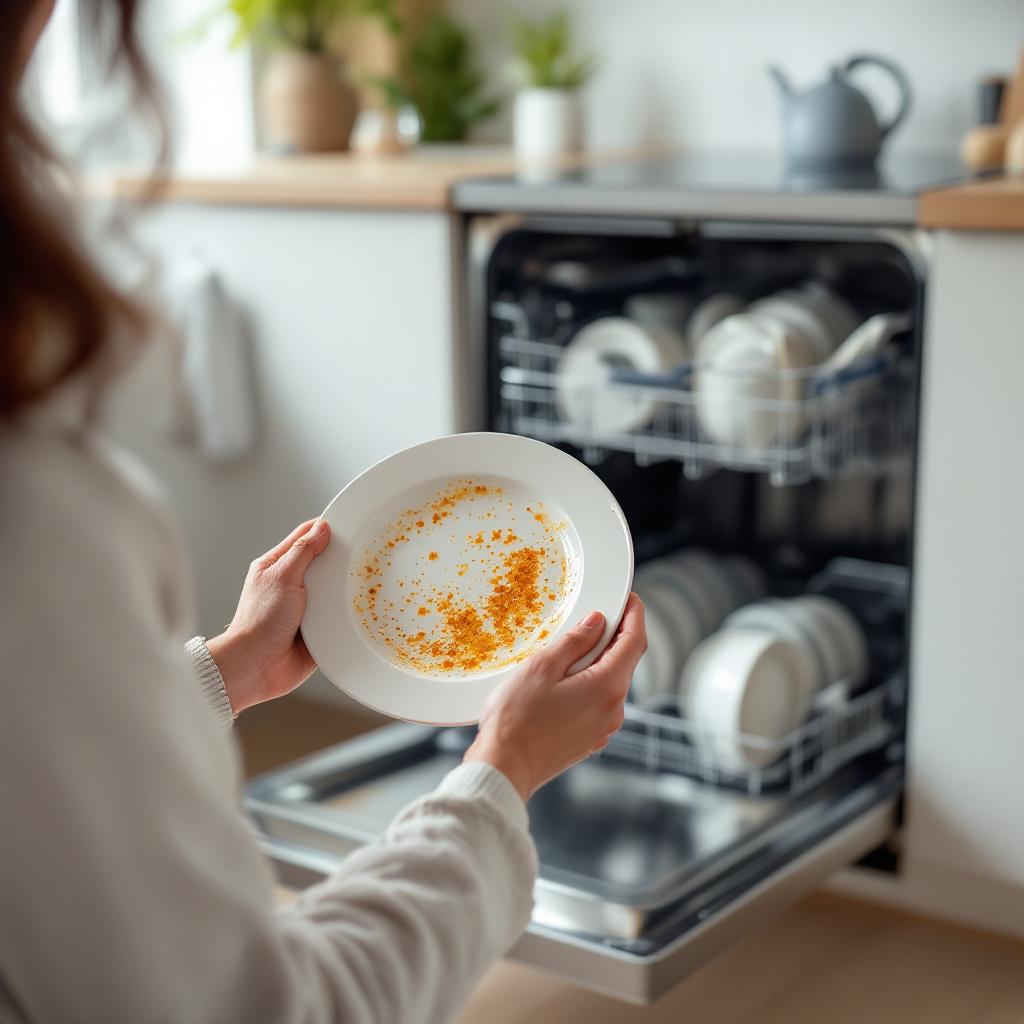
When your dishwasher isn’t cleaning dishes properly — leaving behind food residue, grease, or a grimy film — it’s frustrating but almost always fixable at home. A dishwasher that ran perfectly for years and suddenly stops cleaning well hasn’t broken down mechanically. It’s almost always a maintenance issue: blocked spray arms, a clogged filter, the wrong detergent, or water that isn’t getting hot enough to activate the detergent properly.
This guide walks through every common cause, starting with the easiest checks and working toward the less obvious issues that homeowners frequently overlook.
How a Dishwasher Actually Cleans Dishes
Understanding the cleaning process helps you diagnose what’s gone wrong. During a wash cycle, the dishwasher pumps hot water through rotating spray arms that jet water at high pressure onto the dishes above and below. Detergent is released mid-cycle to help break down grease and food. The water is then pumped out, and the rinse cycle repeats the process with clean water.
If any part of this chain fails — the spray arms don’t spin, the water isn’t hot enough, the filter is clogged restricting water flow, or the detergent isn’t dissolving — the result is dishes that come out dirty.
1. Clogged or Blocked Spray Arms
This is the most common cause of poor cleaning performance. The spray arms have small holes (jets) that can become blocked with mineral deposits, small food particles, or debris over time. When jets are partially blocked, water pressure drops and coverage becomes uneven — some dishes get clean, others don’t.
How to check and clean:
- Remove both spray arms (lower and upper) — they typically unscrew or pull off with a simple twist.
- Hold each arm up to a light and look through each jet. Blockages are usually visible.
- Use a toothpick, thin wire, or skewer to clear blocked jets — never use anything that could break off inside.
- Rinse the arms under running water and replace.
- Also check that the spray arms spin freely when installed — dishes loaded too high or pots placed incorrectly can physically block rotation.
2. A Dirty or Clogged Filter
Modern dishwashers have a manual filter (not a self-cleaning grinder) located at the bottom of the tub, under the lower spray arm. This filter catches food particles to prevent them from recirculating onto dishes. When it gets clogged, water flow is restricted, wash pressure drops, and food particles get pushed back onto dishes during the cycle.
- Remove the lower spray arm and twist out the filter assembly (the cylindrical filter and the flat mesh beneath it).
- Rinse both parts under warm running water, using a soft brush to remove stuck debris.
- Clean monthly for high-use households; every 2–3 months for lighter use.
3. Water Temperature Too Low
Dishwasher detergent — particularly powder and tablet forms — requires water at 50°C–60°C (120°F–140°F) to activate properly. If your hot water heater is set too low, or if the dishwasher is at the end of a long hot water run and gets cold water for the first part of the cycle, the detergent won’t dissolve or work correctly.
- Run the hot water at your kitchen sink for 60 seconds before starting the dishwasher — this purges cold water from the supply line.
- Check your water heater setting. Most dishwasher manufacturers recommend a minimum of 49°C (120°F) at the tap.
- Many modern dishwashers have an internal heater that boosts water temperature during the wash cycle — if yours has a “heated wash” option, use it.
4. Wrong Detergent or Too Little Detergent
Not all dishwasher detergents are equal, and the amount matters. Using too little detergent, using a detergent that has absorbed moisture and clumped (common with powder in humid climates), or using a brand that doesn’t work well with your local water hardness can all lead to poor cleaning results.
- Use a quality detergent tablet or pod — they’re pre-measured and moisture-resistant compared to powder.
- Add rinse aid — low rinse aid causes poor drying and water spotting, but also reduces cleaning effectiveness by preventing water sheeting properly.
- If you have hard water, use a detergent formulated for hard water or add a dishwasher salt if your machine has a softener reservoir.
Water spotting and a white film on glasses is a separate but related problem — if you’re also seeing white residue on dishes and glassware, our article on dishwasher white film on glasses explains the mineral buildup issue and how to address it.
5. Incorrect Loading
Loading dishes incorrectly prevents water from reaching all surfaces. It’s one of the most common causes of selective dirtiness — some dishes clean perfectly while others come out with food still stuck on.
- Bowls and cups on the top rack should face downward and inward toward the spray arm.
- Plates in the lower rack should face the centre spray arm, not the outer walls.
- Don’t nest items — cutlery, in particular, should be loaded handles-down (for safety) and separated so water can reach all surfaces.
- Tall items in the lower rack shouldn’t block the upper spray arm from rotating freely.
- Pre-scrape food but don’t pre-rinse — modern detergents need some food residue to work correctly. Spotless dishes going into the cycle can actually result in less effective cleaning.
6. The Dishwasher Isn’t Getting Enough Water
If the water inlet valve is partially blocked or failing, the dishwasher won’t fill with enough water to generate proper wash pressure. You’ll notice the spray arms spinning but not delivering strong jets.
- Listen during the fill cycle — you should hear water flowing into the tub. A short, quiet fill suggests a restricted inlet.
- The water inlet valve screen can be cleaned — it’s located where the water supply hose connects to the dishwasher.
- A failing inlet valve needs replacement and is best handled by a technician.
Poor fill can also contribute to draining problems — if you’re seeing water left in the bottom after cycles, our dishwasher not draining troubleshooting guide covers the connection between fill and drain issues.
7. The Detergent Dispenser Isn’t Opening
The detergent dispenser has a spring-loaded door that opens mid-cycle to release detergent. If the door is stuck, broken, or blocked by a dish loaded too close to it, the detergent drops to the bottom of the tub at the start of the cycle and gets washed away before it can clean effectively.
- Test the dispenser door by opening and closing it manually — it should spring open cleanly.
- Make sure no dishes are positioned in front of the dispenser blocking it from opening.
- Clean detergent residue from the dispenser cavity — buildup can gum up the mechanism.
Preventing Future Cleaning Problems
The habits that keep a dishwasher cleaning well are simple and take only a few minutes per month. Our dishwasher drying tricks guide covers the full range of habits that improve both cleaning and drying performance. Consistent filter cleaning, proper loading, and quality detergent handle the vast majority of dishwasher performance issues.
When to Call a Professional
If you’ve cleaned the filter, cleared the spray arms, confirmed water temperature and detergent, and the dishwasher still isn’t cleaning properly — a professional diagnosis is warranted. Pump pressure issues, failing wash motor, or a control board problem require hands-on testing.
North Vancouver Appliances handles dishwasher diagnostics and repairs across the North Shore. Visit our dishwasher repair page to book a service visit.