
Fridge Leaking Water Inside? Common Causes and How to Fix It
Finding your fridge leaking water inside — a puddle under the crisper drawers, water running down the back wall, or ice forming at the bottom of the refrigerator compartment — is a common problem that’s easy to ignore until the damage spreads. In most cases, water inside the fridge comes from one of a handful […]
 6 min read
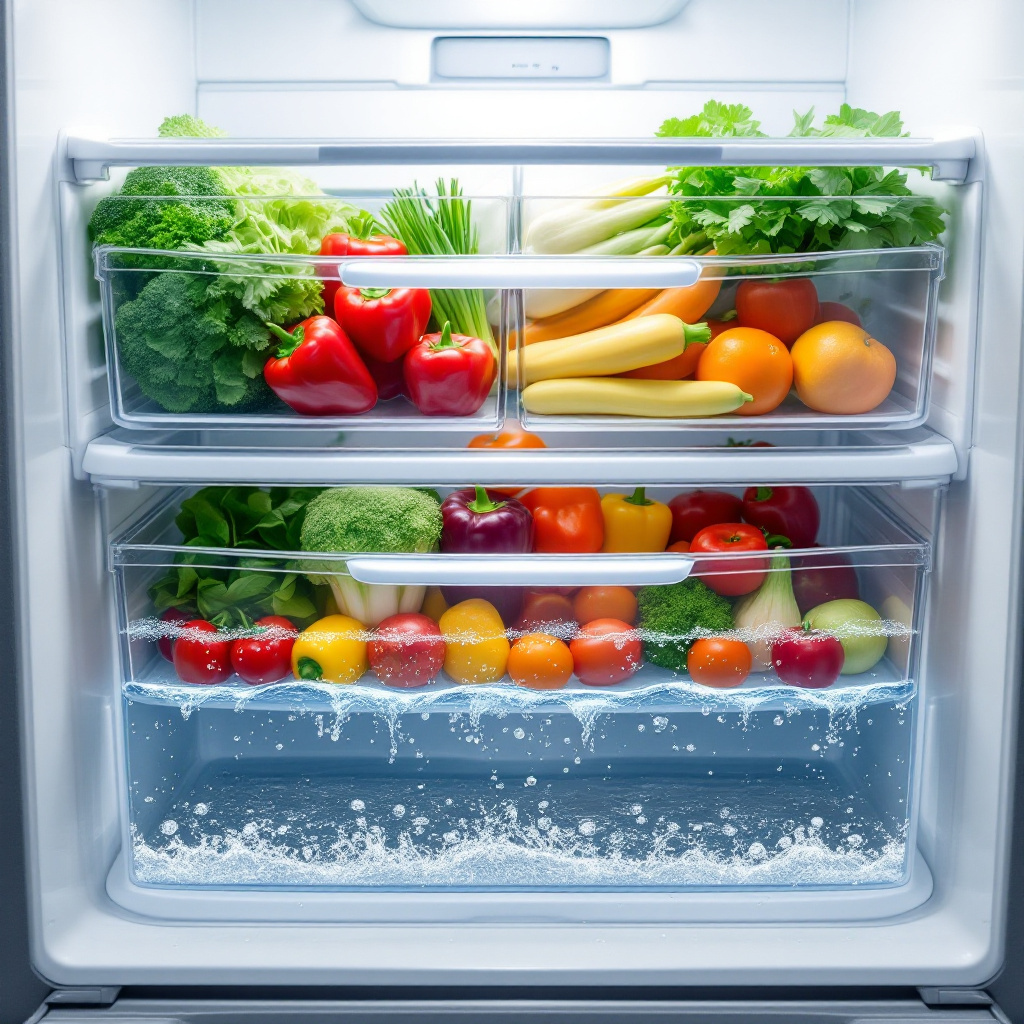
Finding your fridge leaking water inside — a puddle under the crisper drawers, water running down the back wall, or ice forming at the bottom of the refrigerator compartment — is a common problem that’s easy to ignore until the damage spreads. In most cases, water inside the fridge comes from one of a handful of well-understood causes, and fixing it doesn’t require replacing the appliance. Here’s how to identify what’s happening and what to do about it.
Where Is the Water Actually Coming From?
The first step is locating the source, which narrows down the cause significantly:
- Water pooling under the vegetable drawers — almost always a clogged or frozen defrost drain
- Water dripping from the back wall — frost melting, or a drain that can’t keep up
- Water near the ice maker or water dispenser — water line connection or inlet valve issue
- Water on shelves, unrelated to the ice maker — condensation from a door seal problem or overpacking
- Water at the very bottom of the freezer, under the freezer floor panel — frozen drain in the freezer section
Cause 1: Clogged or Frozen Defrost Drain (Most Common)
This is responsible for the majority of “water inside the fridge” calls. When the refrigerator runs its automatic defrost cycle, frost on the evaporator coil melts into water. That water is supposed to flow down a drain channel at the back of the compartment, through a small drain hole, and into an evaporator pan underneath the fridge where it evaporates. If this drain hole gets clogged with food debris, or if it freezes over, the meltwater has nowhere to go — it backs up and pools at the bottom of the refrigerator compartment, often showing up as a puddle under the vegetable crispers.
Fix: Locate the drain hole (usually at the center-back of the fridge floor, behind the crisper drawers). Clear it by flushing with warm water using a turkey baster or syringe. If it’s frozen, a hair dryer on low heat applied carefully to that area for a few minutes can thaw it. Once clear, flush with a mixture of warm water and a teaspoon of baking soda to clear any organic debris.
Cause 2: Damaged or Dirty Door Gasket
A door seal that isn’t making full contact around the entire door perimeter lets warm, humid air seep into the refrigerator constantly. This causes excessive condensation on cold surfaces, more frost buildup than the defrost cycle can handle, and eventually, water dripping from those surfaces. You may also notice your fridge running more than usual as it tries to maintain temperature.
Fix: Clean the door gasket thoroughly with warm soapy water and check for cracks, tears, or sections that have flattened and lost their flexibility. A common test: close the door on a piece of paper and pull — you should feel clear resistance all the way around. Any spots where the paper slides freely without resistance are where the seal is failing. Replacement gaskets are model-specific and typically $20–$60.
Cause 3: Water Inlet Valve or Water Line Connection
If your refrigerator has a water dispenser or ice maker, it’s connected to your home’s water supply via an inlet valve and water line. A cracked water line, a loose connection, or a leaking inlet valve can drip water inside the fridge — often appearing on the back wall or pooling near the ice maker. You may also notice the ice maker producing less ice or the dispenser pressure being lower than usual.
Fix: Pull the fridge away from the wall and inspect the water line connection at the back — look for dampness, mineral deposits (white crust), or a visibly cracked line. The inlet valve connection at the back of the fridge is another check point. Tighten any loose fittings; replace cracked sections of line or a faulty valve. The refrigerator ice maker not working guide covers water supply issues in more detail.
Cause 4: Refrigerator Not Level
A refrigerator that tilts slightly forward causes condensation and meltwater to run toward the door rather than toward the drain at the back. Water ends up pooling in the front of the compartment and eventually drips out onto the floor. Check that the fridge is level side-to-side and tilted very slightly backward (about half a degree) — most refrigerators are designed with this slight backward tilt so water flows toward the drain naturally. Adjust the front levelling feet under the fridge to correct this.
Cause 5: Cracked or Dislodged Drain Pan
Under your refrigerator is a drain pan that collects defrost water and allows it to evaporate. Normally you never see or think about this pan. But if it cracks or gets knocked out of position (during moving, for example), the water that drains from the defrost cycle has nowhere to collect and can migrate back up into the fridge or spill on the floor. Pull the fridge forward and look underneath — the pan should be seated flat and crack-free. Replacement pans are inexpensive ($15–$30).
When to Call a Technician
Drain clogs and gasket issues are very much DIY territory. Water line and valve issues are moderately accessible if you’re comfortable with basic plumbing and unplugging the fridge safely. If you’ve checked everything above and water still appears inside the fridge, the issue may be in the defrost system itself (a heater or thermostat letting too much frost accumulate faster than the drain can handle) — that’s a job for a North Vancouver refrigerator repair technician. Also worth noting: if the water has been sitting for a while and you’ve noticed it smelling or the bottom of the fridge being particularly cold, the crisper drawer area may have developed a layer of ice beneath the plastic floor — this also indicates a backed-up drain.
Water inside the fridge is also related to some of the broader mistakes people make that lead to costly repairs. See our common refrigerator mistakes that lead to expensive repairs for more on how everyday habits contribute to these issues.
Prevention Tips
- Every 6 months, flush the defrost drain with warm water to keep it clear before it becomes a problem.
- Don’t block the back air vents inside the fridge with food — airflow affects how frost forms and drains.
- Check door gaskets once a year for cracks or worn spots, especially on the bottom section of the door which gets the most stress.
- If you move the fridge, check the water line connection and re-level the unit afterwards.
- Leave at least 2 inches of space between food and the back wall to reduce condensation buildup.
Summary
A fridge leaking water inside is almost always caused by a clogged defrost drain, a failing door gasket, a water line or valve issue, a level problem, or a cracked drain pan. Work through the causes in order — the defrost drain fix alone resolves the majority of cases and takes less than 15 minutes. Keep it clear with periodic maintenance and you’ll likely never deal with indoor fridge leaks again.