
Why Is My Dryer Squeaking? Common Causes and Fixes
A dryer that squeaks is one of the more recognisable appliance problems — a rhythmic, repetitive squeal or squeak that gets worse as the machine runs and is impossible to ignore once it starts. The good news is that dryer squeaking is almost always caused by worn mechanical components rather than electrical or heating failures, […]
 5 min read
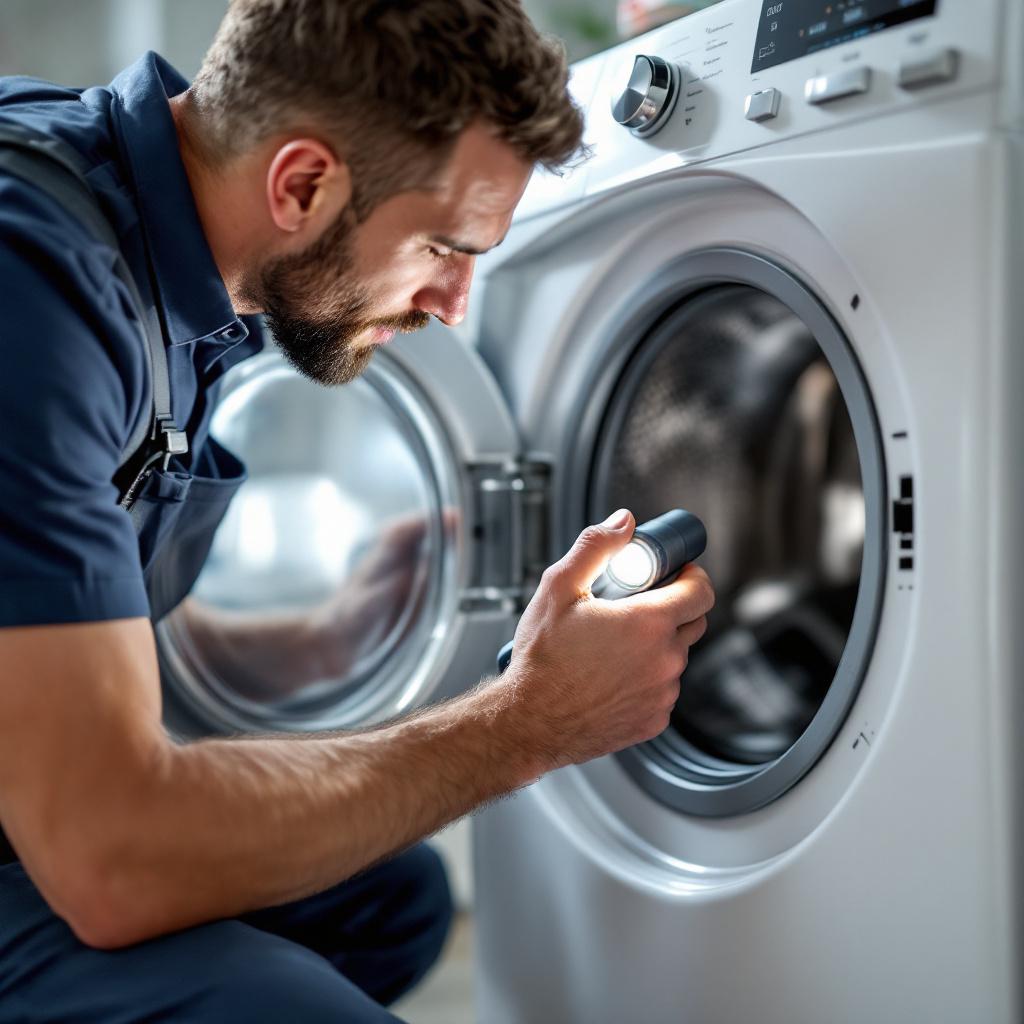
A dryer that squeaks is one of the more recognisable appliance problems — a rhythmic, repetitive squeal or squeak that gets worse as the machine runs and is impossible to ignore once it starts. The good news is that dryer squeaking is almost always caused by worn mechanical components rather than electrical or heating failures, which makes it both diagnosable and fixable with basic tools and inexpensive parts.
This guide identifies every common source of dryer squeak noise, how to pinpoint which one is causing yours, and what each repair involves.
What Makes a Dryer Squeak?
The dryer drum rotates continuously during a cycle, supported and driven by a system of components — a drive belt, drum support rollers, an idler pulley, and in some models, glide bearings that support the front of the drum. Any of these parts can wear down over time and begin to squeak as dry, worn surfaces rub against each other.
The squeak is typically related to drum rotation — it may be rhythmic (once per revolution of the drum) or continuous (always present while the drum spins). The difference can help identify the source before you open the machine.
1. Worn Drum Support Rollers
Drum support rollers are small wheels — usually two at the rear of the drum, sometimes also two at the front — that the drum rests on as it spins. They’re mounted on shafts and can wear flat spots, dry out, or seize over years of use. A worn roller produces a rhythmic squeaking or thumping that coincides with drum rotation.
How to check:
- Open the dryer and manually spin the drum. Listen and feel for the squeak — if you can locate it to the rear (or front) of the drum, rollers are likely the cause.
- With the belt removed, spin the drum by hand and feel for resistance or roughness from any of the rollers.
- Worn rollers often look flat, cracked, or have a groove worn into their surface.
Drum rollers are inexpensive ($15–$30 for a set) and should be replaced in pairs or full sets — if one is worn, the others are usually close behind. The repair requires removing the front panel and lifting the drum, but is manageable with patience.
2. A Worn or Dry Idler Pulley
The idler pulley is a spring-loaded wheel that applies tension to the drive belt, keeping it snug against the drum and motor pulley. It spins continuously during the cycle. When the bearing inside the idler pulley wears out or dries up, it produces a continuous high-pitched squeak or squeal that’s present any time the drum is turning.
Signs of a failing idler pulley:
- A continuous squeak that starts immediately when the drum begins turning (not rhythmic)
- The squeak changes pitch as the dryer warms up
- Visible wobble on the pulley when spinning, or grinding resistance when turned by hand
Idler pulley replacement is almost always done at the same time as the drive belt, since the belt needs to come off to access the pulley anyway. Both parts together typically cost $25–$45.
3. A Worn Drive Belt
The drive belt is a long, thin rubber belt that wraps around the drum, the motor pulley, and the idler pulley, causing the drum to spin. As it ages, the belt can crack, fray, or develop a glazed surface that squeaks against the drum surface or pulleys.
- Inspect the belt visually for cracks, fraying, glazing, or thin spots.
- A belt that squeaks is usually also close to breaking — if it snaps, the drum stops turning entirely.
- Belt replacement is typically bundled with roller and idler pulley replacement since all three are accessed the same way and usually wear out around the same time.
4. Front Drum Glide Bearings (Drum Slides)
On many dryers, the front of the drum rests on plastic or felt glide bearings (sometimes called drum slides or drum pads) rather than rollers. As these wear down, the drum makes metal-on-metal contact with the front panel — producing a scraping squeak or a rhythmic grinding sound.
- The squeak tends to be higher-pitched and scraping rather than the thumping quality of worn rear rollers.
- Felt glides wear to nothing over time — you may see fibres or residue on the drum front edge.
- Glide replacement requires removing the front panel and drum and is typically done as a set.
5. The Drive Motor Bearing
A failing motor bearing is less common than the components above but produces a loud, continuous squeak or grinding that’s present any time the motor is running — including the brief pre-start hum. Motor bearing failure is usually accompanied by heat from the motor area.
- If the squeak is coming from the base of the machine near the motor rather than from the drum area, the motor is worth investigating.
- Motor replacement is the most expensive dryer repair — evaluate whether it’s worth it based on the machine’s age.
Preventing Dryer Squeaks
Most dryer mechanical components have a lifespan of 8–12 years with normal use. You can’t prevent wear indefinitely, but keeping the dryer in good condition extends component life: don’t overload the drum, keep the exhaust vent clear so the motor and drum don’t run hotter than necessary, and don’t ignore early signs of wear. A faint squeak that starts quietly gets dramatically worse if ignored, often accelerating wear on adjacent components.
Our article on how to maintain your dryer and prevent fire hazards covers the full maintenance routine that keeps dryers running safely and quietly. If your dryer is also taking longer than usual to dry loads — a common companion symptom to mechanical wear — our guide on why your dryer takes too long to dry covers the overlap between airflow and mechanical issues.
When to Call a Professional
Roller, belt, and idler pulley replacement are mid-level DIY repairs — manageable with the right parts, a screwdriver set, and a service video for your model. If the squeak is coming from the motor, or if the machine is making noise alongside heating problems, get a professional to assess the full picture.
Our article on dryer heating parts to check is a useful companion if your squeaking dryer is also running cold.
North Vancouver Appliances handles dryer mechanical repairs quickly and affordably across North Vancouver and the North Shore. Visit our dryer repair page to book a visit.