
How to Stop Your Washing Machine from Shaking and Vibrating
A washing machine that shakes, rattles, and walks across the laundry room floor is more than just annoying — it’s a sign that something is off, and leaving it unchecked can lead to serious mechanical damage over time. Excessive vibration puts stress on the drum bearings, suspension rods, shock absorbers, and even the connections at […]
 6 min read
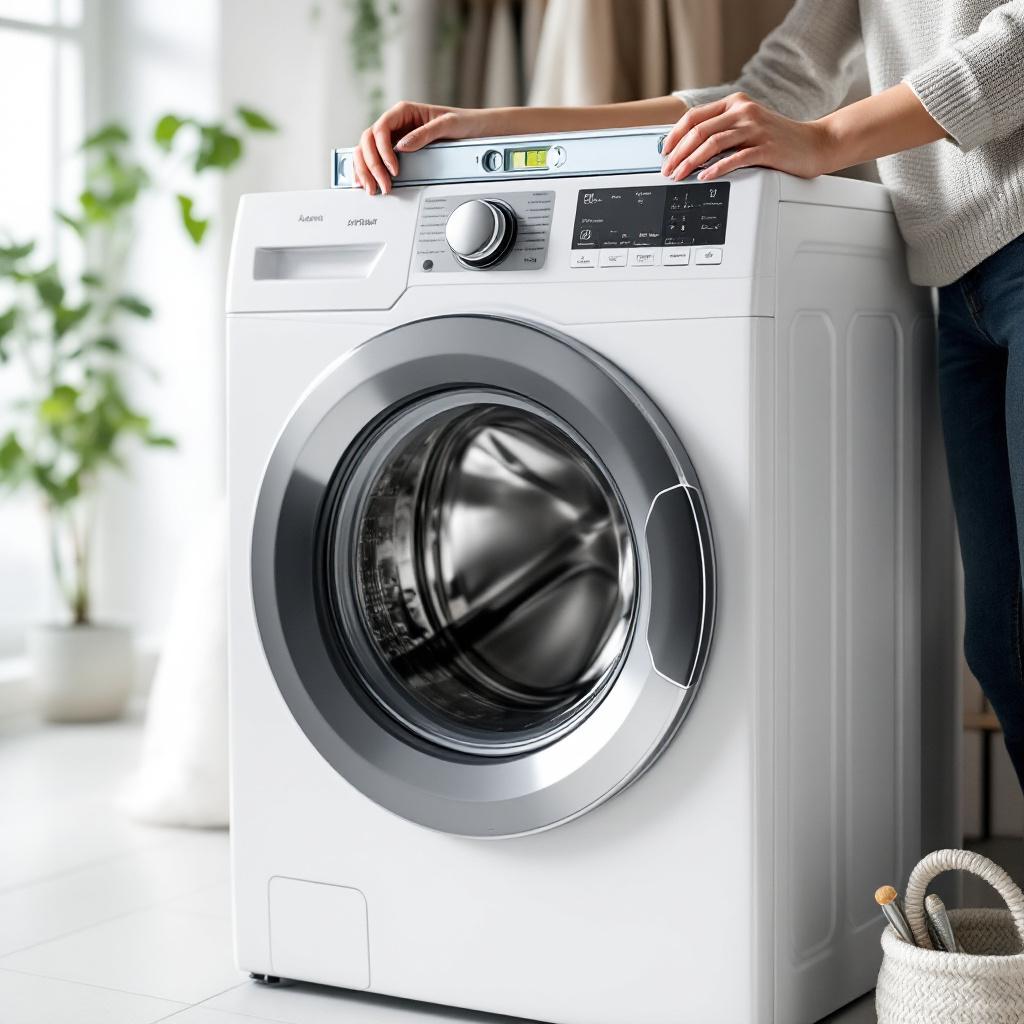
A washing machine that shakes, rattles, and walks across the laundry room floor is more than just annoying — it’s a sign that something is off, and leaving it unchecked can lead to serious mechanical damage over time. Excessive vibration puts stress on the drum bearings, suspension rods, shock absorbers, and even the connections at the back of the machine.
The good news is that vibration problems are among the most fixable appliance issues around. Many causes don’t require any parts or tools at all — just a small adjustment. Let’s work through the most common culprits, starting with the simplest.
1. Unbalanced or Overloaded Load
The single most common cause of a violently shaking washing machine is an unbalanced load. A large, heavy item — a comforter, towels, or a pair of jeans — can bunch to one side of the drum during the spin cycle, creating enough centrifugal force to rock the entire machine.
- Pause the cycle and redistribute the load manually so weight is spread evenly around the drum.
- Wash heavy items like blankets with a second similar item for balance — one large heavy piece alone is always a recipe for vibration.
- Don’t overfill the drum. Items need room to tumble and distribute naturally during the cycle.
- Similarly, don’t under-fill either — a machine that’s too empty can also become unbalanced on the spin cycle.
If your machine is consistently leaving clothes wetter than expected alongside heavy vibration, the two problems are often connected. Read our article on why your washing machine is leaving clothes too wet to understand the relationship between spin performance and load balance.
2. The Machine Isn’t Level
Washing machines have four adjustable feet, and all four need to make firm, even contact with the floor. Even a slight tilt — just a few millimetres — can cause dramatic vibration at high spin speeds.
How to check and fix levelling:
- Place a spirit level on top of the machine, checking both left-to-right and front-to-back.
- Adjust the feet by hand or with a wrench — most screw in or out to raise or lower that corner.
- Tighten the lock nuts against the machine’s base once the correct height is set.
- Rock the machine gently with your hands after adjusting — there should be zero movement at any corner.
Anti-vibration pads placed under the feet are an inexpensive upgrade that significantly dampens transmitted noise and movement, particularly on hard floors like tile or hardwood.
3. New Machine? Remove the Transit Bolts
If you’ve recently installed a new washing machine and it vibrates intensely from the first cycle, check whether the transit bolts were removed. These large bolts are installed by the manufacturer to lock the drum in place during shipping. Leaving them in makes the machine shake violently because the drum cannot move at all to absorb spin forces.
- Check the back of the machine for 3–4 large bolts (usually red, yellow, or blue plastic) along the upper rear panel.
- Remove them with a wrench and retain them — you’ll need them if you ever move the machine again.
- Plug the holes with the plastic caps provided with the machine.
4. Worn or Damaged Shock Absorbers
Front-loading washing machines use shock absorbers (dampers) to cushion the drum’s movement during the spin cycle. When these wear out or break, the drum moves excessively — causing heavy thumping and vibration, particularly at high speeds.
Signs of worn shock absorbers:
- Loud banging or thumping during the spin cycle that gets worse over time
- The machine moves noticeably across the floor even with a balanced load
- Vibration is worst at the beginning and end of the spin cycle when speeds are changing
Shock absorbers are a medium-level DIY repair. The machine needs to be tipped on its side or back to access them, and the replacement process varies by model. Parts typically cost $20–$60 for a pair.
5. Suspension Rods (Top-Loading Machines)
Top-loading washers use suspension rods — one at each corner — to support and dampen the drum’s movement. When the plastic snap-in clips at the top of these rods break or the rods themselves lose their dampening ability, the drum swings freely and causes intense shaking.
- Open the lid and manually press down on the drum — it should spring back with firm, even resistance on all sides.
- A drum that tilts easily to one side when pressed suggests a broken rod on that side.
- Suspension rods typically need to be replaced as a full set of four for even damping.
6. Worn Drum Bearings
The drum bearing supports the back of the drum as it spins. When this bearing wears out, the drum wobbles on its axis — producing vibration, noise, and, eventually, serious structural damage to the machine.
Signs of a worn drum bearing:
- A grinding, rumbling, or roaring noise during the spin cycle
- The drum wobbles when you spin it by hand with the machine empty and unplugged
- Vibration that steadily worsens over several weeks or months
Drum bearing replacement is a significant repair — it often requires disassembling most of the machine and may not be cost-effective on older units. This is a good time to review our post on how to extend the lifespan of your washing machine to understand what maintenance steps protect bearings in the first place.
7. Flooring and Placement Issues
The surface a washing machine sits on matters more than most people realise. A springy wooden floor, a raised platform, or a machine placed directly on a rubber mat that concentrates vibration can all amplify normal spin movement into a full percussion performance.
- If possible, place the machine directly on a solid concrete or tile floor.
- If the machine is on a wooden floor or platform, add solid reinforcement underneath.
- Anti-vibration mats (thick rubber pads sized to the machine’s footprint) are very effective at isolating vibration from the structure of the building.
When Is the Spin Problem Also a Spin Problem?
Excessive vibration and failure to spin properly are often two symptoms of the same root cause — unbalance, bearing wear, or suspension failure. If your machine vibrates badly and also has trouble reaching full spin speed, our guide on how to diagnose a washing machine that won’t spin walks through the spin-specific diagnostic steps in detail.
When to Call a Professional
If you’ve confirmed the machine is level, the load is balanced, and the transit bolts are out — and it’s still shaking badly — it’s time for a professional inspection. Shock absorbers, suspension rods, and drum bearings are all repairable, but diagnosing which one is causing the problem requires hands-on access to the machine.
North Vancouver Appliances handles washing machine vibration repairs for all major brands. Our technicians carry common suspension components and can often complete the repair on the same visit. Book through our washer repair service page.