
Signs Your Refrigerator Door Seal Needs Replacing
The rubber gasket that lines the perimeter of your refrigerator door is one of the hardest-working, least-noticed components in the whole appliance. Every time you open and close the door, the gasket compresses and releases to maintain an airtight seal. Over years of use, this rubber gradually stiffens, tears, or loses its shape — and […]
 5 min read
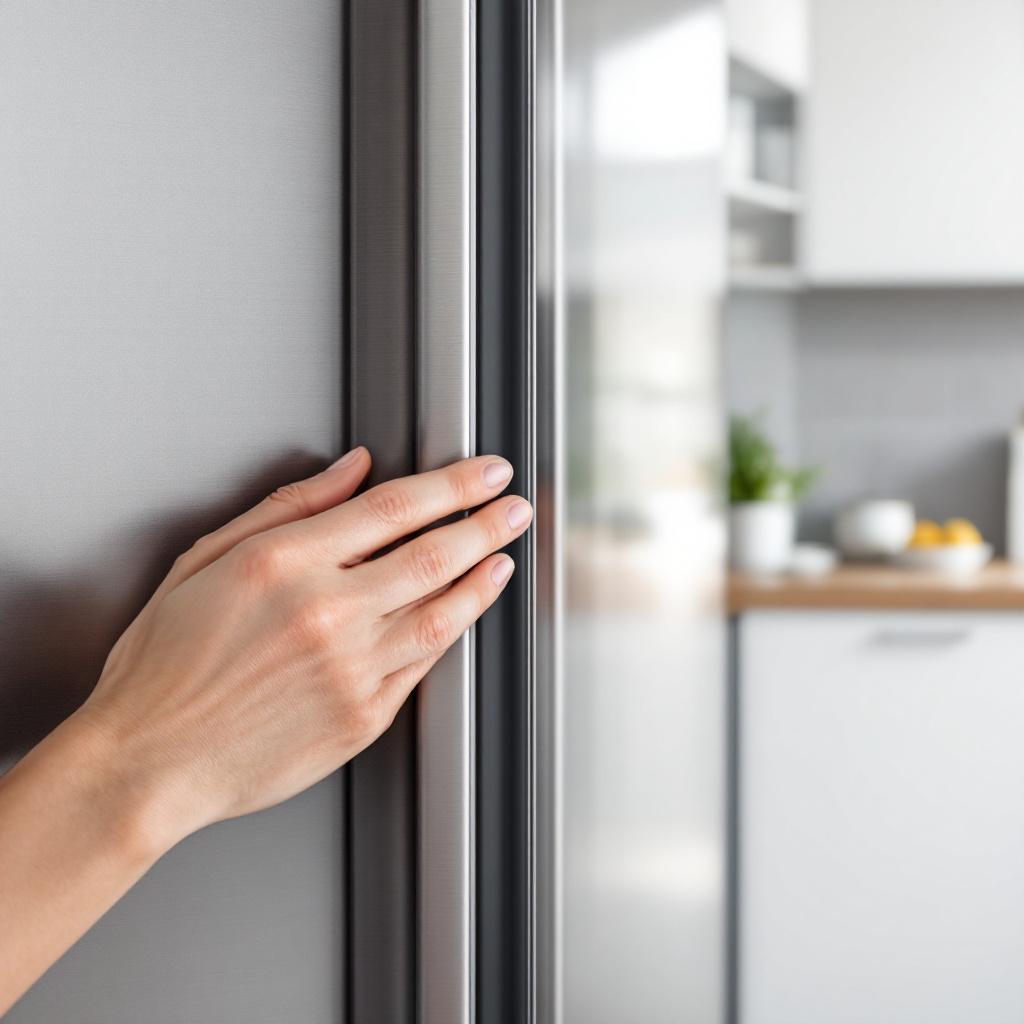
The rubber gasket that lines the perimeter of your refrigerator door is one of the hardest-working, least-noticed components in the whole appliance. Every time you open and close the door, the gasket compresses and releases to maintain an airtight seal. Over years of use, this rubber gradually stiffens, tears, or loses its shape — and when it does, cold air starts leaking out constantly.
A failing door seal is one of the most common hidden causes of poor refrigerator performance. If your fridge has been running longer than usual, feeling warmer than it should, or accumulating frost in unusual places, the door gasket is the first thing worth inspecting. Our article on how to fix a refrigerator that’s not cooling covers several related causes — but a bad seal is often the simplest and cheapest to fix.
What Does the Door Seal Actually Do?
The door gasket creates an airtight barrier between the cold interior of the fridge and the warm air of your kitchen. Without a proper seal, warm humid air continuously infiltrates the compartment. This forces the compressor to run almost constantly to maintain temperature — increasing your electricity bill, shortening the compressor’s life, and often failing to keep food cold enough anyway.
A fully failed seal on a refrigerator can add $100–$200 per year to your energy costs, and the increased compressor workload accelerates wear on one of the most expensive components in the appliance.
Signs Your Refrigerator Door Seal Is Failing
1. Visible damage
Cracks, tears, gaps, or sections of the gasket that have pulled away from the door frame are obvious indicators. Even a small tear or a single gap can cause significant cold air loss. Run your fingers along the entire perimeter of the door gasket, feeling for areas where the rubber is stiff, brittle, or broken.
2. Frost or ice in unexpected places
When warm humid air leaks into the fridge, it deposits moisture as it cools. Frost buildup in the back corners of the refrigerator compartment (not just the freezer), or ice forming around the door frame itself, often indicates a seal leak at that location.
3. Condensation on the outside of the door
Moisture on the exterior door surface — particularly along the edges — suggests warm air is reaching those areas from inside. This is a classic sign of a compromised perimeter seal.
4. The compressor runs constantly
Refrigerator compressors cycle on and off periodically. If yours seems to run non-stop, the fridge is struggling to maintain temperature — often because cold air is constantly escaping through a faulty seal. Check our post on top 5 common refrigerator issues for a full breakdown of what continuous compressor running can indicate.
5. Food spoiling faster than expected
If your refrigerator section is consistently warmer than 4°C (40°F), food safety is at risk. A failing seal that allows warm air infiltration is a common cause of unexplained temperature rise.
The Paper Test — A Simple DIY Check
You don’t need any tools to do a quick seal test at home. Here’s how:
- Take a regular piece of paper or a dollar bill and close the door on it so it’s trapped between the gasket and the door frame.
- Try to pull the paper out with the door closed. You should feel clear resistance — it shouldn’t slide out easily.
- Repeat this test around the full perimeter of the door, including the corners and the hinge side.
- If the paper slides out with little or no resistance at any point, the seal at that location is not making proper contact.
This test works for both refrigerator and freezer doors. A good seal creates consistent resistance all the way around.
Can You Restore a Failing Seal Without Replacing It?
If the gasket is dirty but intact, thorough cleaning can often restore a good seal. Food residue, grease, and grime build up in the folds of the gasket over time and prevent it from compressing fully against the door frame.
Cleaning the gasket:
- Use warm water and a mild dish soap — avoid bleach or harsh solvents that can degrade the rubber.
- Use an old toothbrush to work into the folds and grooves where grime accumulates.
- Dry the gasket thoroughly with a clean cloth after washing.
- Apply a thin coat of petroleum jelly (Vaseline) to the clean gasket — this keeps the rubber supple and improves the seal against the door frame.
If the gasket is clean but has developed a wavy, distorted shape, you can sometimes restore it by heating it briefly with a hair dryer set to low. The heat makes the rubber pliable enough to flatten back against the door frame. Be careful not to overheat any one spot.
When to Replace the Door Gasket
If the gasket is cracked, torn, stiff, or permanently deformed — cleaning and softening won’t help. Replacement is the right call. Door gaskets are model-specific parts available online or through appliance parts suppliers. The part typically costs $30–$80, and installation is a manageable DIY task on most refrigerator models.
Basic installation steps:
- Order the correct gasket for your refrigerator’s model number (found on the label inside the door frame).
- Soak the new gasket in warm water for a few minutes to make it pliable and easier to work with.
- Starting at a top corner, tuck the gasket’s lip under the door liner, pressing firmly all the way around.
- On some models, screws hold the inner door panel that retains the gasket — you’ll need to loosen these slightly to insert the new gasket and then re-tighten.
- Close the door and check alignment — the door should sit flush and the paper test should show firm resistance all the way around.
The Connection Between Seal Health and Coil Maintenance
A leaky door seal and dirty condenser coils share an important relationship: both force the compressor to work harder, and both accelerate wear on the refrigeration system. If you’re addressing a door seal, it’s worth also checking the coils. Our comprehensive guide on how to clean and maintain your refrigerator coils walks you through that process.
When to Call a Professional
If replacing the door gasket doesn’t resolve your temperature or running problems, the issue may lie deeper — with the thermostat, evaporator fan, or compressor. North Vancouver Appliances can quickly diagnose what’s really going on and get your fridge back to optimal performance.
Visit our refrigerator repair service page to schedule a visit.