Washing Machine Hose Leaking? How to Find and Fix It Fast
A washing machine hose leaking is one of the most serious household appliance failures — not because the hose itself is expensive, but because of what happens when it fails unattended. A burst washing machine supply hose can release hundreds of litres of water in minutes, causing significant structural damage to floors, ceilings, and walls. […]
 4 min read
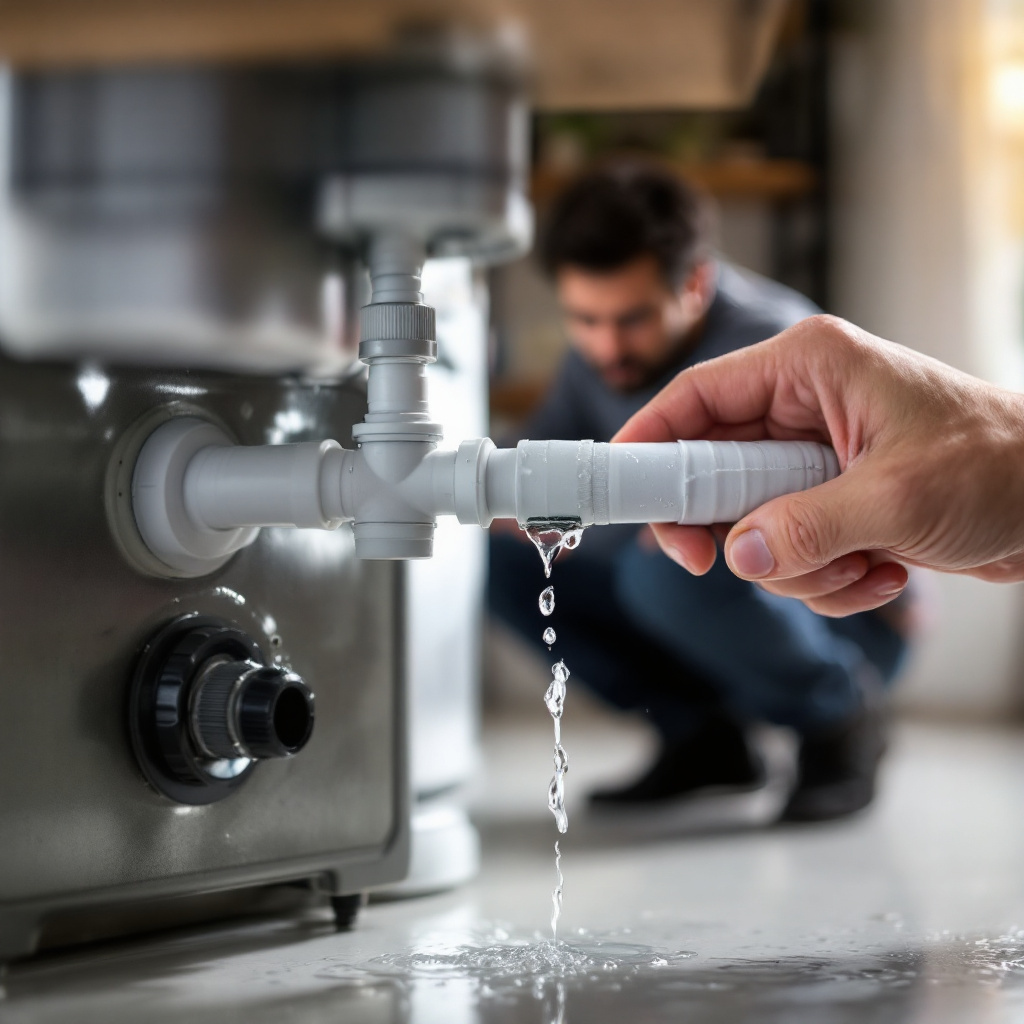
A washing machine hose leaking is one of the most serious household appliance failures — not because the hose itself is expensive, but because of what happens when it fails unattended. A burst washing machine supply hose can release hundreds of litres of water in minutes, causing significant structural damage to floors, ceilings, and walls. Understanding where hose leaks come from and how to prevent and address them is essential for any homeowner with a washing machine.
The Two Types of Washing Machine Hoses
Most washing machines have two sets of hoses:
- Inlet hoses: Two hoses (hot and cold) that connect from the wall valves to the back of the machine, supplying water to the tub. These are under constant mains pressure — even when the machine isn’t running.
- Drain hose: A single hose that carries wastewater from the machine to the standpipe or utility sink drain. This only carries water during the drain cycle and is not under continuous pressure.
Inlet hose failures are far more dangerous because they’re under mains pressure at all times. A crack or failed fitting can release water continuously until the supply valve is shut off.
Where Inlet Hose Leaks Occur
1. At the Hose-to-Machine Connection
The fitting where the hose screws onto the back of the washing machine is a common leak point. The rubber washer inside the fitting degrades over time — it dries out, cracks, and loses its ability to create a watertight seal.
- Turn off the supply valves and unscrew the hose from the machine.
- Inspect the rubber washer inside the fitting — if it’s cracked, compressed flat, or has visible gaps, replace it.
- Replacement washers cost cents and are available at any hardware store.
- When reinstalling, hand-tighten and then add a quarter turn with pliers — over-tightening cracks the fitting.
2. At the Wall Valve Connection
The same fitting and washer issue applies at the wall valve end of the hose. Check this connection as well — it’s often neglected because it’s harder to see behind the machine.
3. Along the Hose Body
Standard rubber inlet hoses degrade from the inside out — the rubber hardens, develops micro-cracks, and eventually fails. The outside of a rubber hose can look completely normal right up to the point of failure. This is why age is the key risk factor, not visible condition.
- Standard black rubber hoses should be replaced every 5 years regardless of appearance.
- Upgrade to braided stainless steel hoses — these have an outer layer of woven steel that prevents the catastrophic failure mode of rubber hoses. They’re inexpensive ($20–$40 for a pair) and last significantly longer.
- Our guide on how to prevent washing machine flooding covers hose replacement as the single most important preventive measure homeowners can take.
Where Drain Hose Leaks Occur
1. At the Machine Connection
The drain hose connects to the pump outlet at the back of the machine — usually secured with a spring clamp. If this clamp loosens or corrodes, the hose can slip partially off during the high-flow drain cycle.
- Inspect the clamp and tighten or replace it if corroded.
- The hose should fit snugly on the outlet with no movement when tugged.
2. At the Standpipe
The drain hose inserts into a standpipe in the wall. If the hose is pushed too far into the standpipe, it can create a siphon — drawing water back into the machine between cycles and causing intermittent overflow. The hose should extend no more than 15cm (6 inches) into the standpipe and should form a high loop (minimum 60cm / 24 inches above the floor) before descending.
3. Hose Cracks or Holes
Drain hoses can crack from physical contact with the floor (if the machine vibrates into the wall) or from the hose being kinked repeatedly. Inspect the full length of the hose for cracks, abrasion wear, or kink damage.
What to Do If a Hose Fails
- Turn off the supply valves at the wall immediately — these are the taps behind or beside the machine. If you can’t reach them, shut off water at the main.
- Unplug the washing machine.
- Place towels to contain water while repairs are made.
- Replace the damaged hose before running the machine again.
Preventive Maintenance
The single most effective thing you can do is replace rubber inlet hoses with braided steel ones and inspect all hose connections annually. Shut off the supply valves whenever you’ll be away from home for more than a few days — this eliminates the risk of a failure going undetected. And know where your main water shut-off is before you need it.
Hose maintenance fits into the broader habit of washing machine care that prevents major water damage events. Our guide on signs your washing machine needs repair covers the full range of warning signs worth acting on before they become emergencies.
If your machine has also been showing issues with its door seal — another water leak source — our article on how to replace a washing machine door seal walks through that repair.
When to Call a Professional
Hose replacement and fitting washer replacement are straightforward DIY tasks — one of the easiest plumbing repairs a homeowner can make. If the leak is coming from the pump housing, internal hose connections inside the machine cabinet, or an area not accessible without disassembly, a technician should handle it.
North Vancouver Appliances handles washing machine leaks and plumbing connections across North Vancouver and the North Shore. Visit our washing machine repair page to book a visit.