Oven Not Heating? Here’s What Might Be Wrong
Hey there, folks in North and West Vancouver! If you’re staring at a cold oven when you were expecting a warm, toasty meal, you’re not alone. We’ve all been there—preheating for what feels like forever, only to realize something’s off. At North Vancouver Appliance Repair, we’ve seen our fair share of these kitchen frustrations over […]
 9 min read
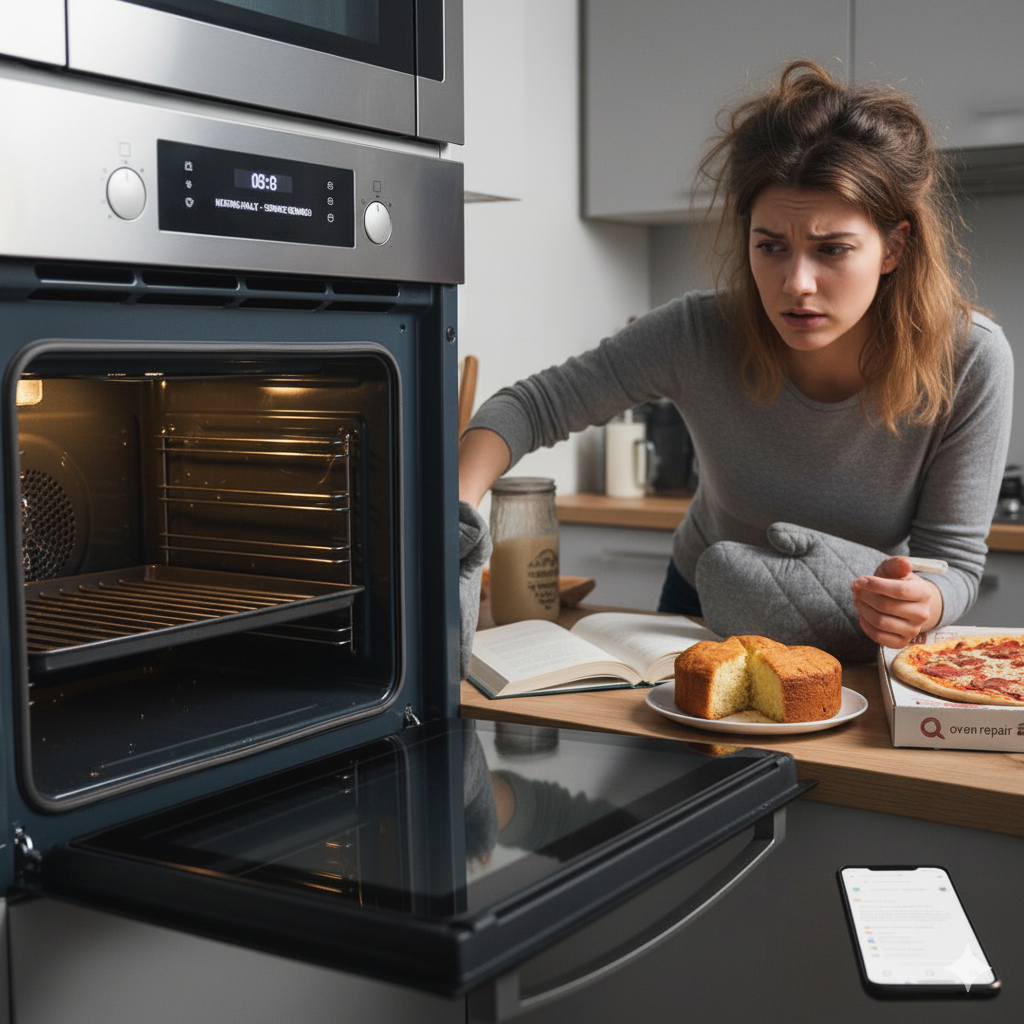
Hey there, folks in North and West Vancouver! If you’re staring at a cold oven when you were expecting a warm, toasty meal, you’re not alone. We’ve all been there—preheating for what feels like forever, only to realize something’s off. At North Vancouver Appliance Repair, we’ve seen our fair share of these kitchen frustrations over the years. As a local company dedicated to providing high-quality appliance repair services right here in North Vancouver, West Vancouver, and the surrounding areas, we’re here to help you figure out what’s going on. In this article, we’ll dive into the most common reasons your oven might not be heating up, share some DIY troubleshooting tips, and let you know when it’s time to call in the pros like us. Let’s get your kitchen back in action!
First things first: safety always comes before anything else. Ovens involve electricity, gas, or both, so if you’re not comfortable poking around, don’t hesitate to reach out. We’ve been fixing appliances in this community for years, and we’d rather handle the tricky stuff to keep you safe. Now, let’s break down the potential culprits behind an oven that refuses to heat.
1. Power Supply Issues: The Basics You Might Overlook
Sometimes, the simplest explanations are the right ones. Before you start imagining a full oven overhaul, check if your oven is even getting power. If it’s an electric oven, make sure it’s plugged in properly—yeah, it sounds obvious, but cords can get jostled behind cabinets or during cleaning. We’ve had customers call us in a panic, only to find out a circuit breaker had tripped. Head to your electrical panel and look for any flipped switches. Reset them if needed, and test the oven again.
For gas ovens, the issue might be with the gas supply. Ensure the gas valve is turned on—it’s usually behind the oven or in the basement. If you smell gas, though, stop everything and call your utility company immediately. Don’t risk it. In our experience at North Vancouver Appliance Repair, about 20% of “no heat” calls turn out to be these basic power or supply problems. It’s a quick fix, but if resetting doesn’t work, there could be a deeper electrical fault, like a blown fuse in the oven itself. That’s when our technicians come in handy; we can diagnose and replace faulty wiring without you having to worry about shocks or shorts.
Moving beyond the basics, let’s talk about the components that do the heavy lifting in heating your oven.
2. Faulty Heating Elements: The Heart of the Heat
In electric ovens, the heating elements are those coiled metal rods at the top (broil element) and bottom (bake element) of the oven cavity. They’re what glow red-hot to cook your food. If your oven isn’t heating, one or both might be burned out. You’ll often notice this if the oven takes forever to preheat or if food cooks unevenly—maybe the top browns while the bottom stays soggy.
To check, turn on the oven and look inside. The elements should start glowing within a minute or two. If they don’t, they’re likely toast (pun intended). Replacing a heating element isn’t rocket science, but it does require unplugging the oven, removing screws, and handling wires carefully. We’ve replaced hundreds of these in homes across North Vancouver, and it’s usually a straightforward job that gets your oven back up and running the same day. Parts are affordable, too—around $50 to $100 depending on the model. But if you’re not handy with tools, give us a call. Our team knows all the major brands like Whirlpool, GE, and Samsung inside out, and we always use high-quality replacement parts to ensure longevity.
For convection ovens, there’s an extra fan element to consider. If the fan spins but no heat comes, that could be the issue. We’ve seen this a lot in modern kitchens where folks love the even cooking convection provides.
3. Igniter Problems in Gas Ovens: The Spark That’s Missing
Gas ovens rely on an igniter to light the gas and start the heating process. It’s a small ceramic part that glows hot enough to ignite the gas flow. Over time, igniters weaken—they might glow but not get hot enough to do the job. You’ll hear the gas hissing, but no flame appears. This is one of the top issues we encounter in gas models from brands like Kenmore or Bosch.
A telltale sign? The oven clicks repeatedly but doesn’t light. Testing an igniter requires a multimeter to check resistance— it should read between 50-400 ohms if it’s good. If it’s faulty, replacement is key, but accessing it means pulling out the oven floor and dealing with gas lines. Safety first: always shut off the gas supply before attempting this. At North Vancouver Appliance Repair, our certified techs handle gas appliances with the utmost care, ensuring everything’s up to code. We’ve fixed countless igniters, preventing what could turn into dangerous situations like gas leaks. If you’re in West Vancouver or nearby, we’re just a quick drive away to sort this out.
Related: How to Fix an Oven That Takes Too Long to Preheat
4. Thermostat or Temperature Sensor Failures: When It’s Not Sensing Right
Your oven’s thermostat (or temperature sensor in newer models) is like the brain that tells the heating elements or gas valve when to turn on and off. If it’s malfunctioning, the oven might not heat at all, or it could overheat unpredictably. Symptoms include inconsistent temperatures—your roast comes out raw, or cookies burn to a crisp.
In older ovens, the thermostat is a mechanical dial; in digital ones, it’s an electronic sensor probe inside the oven. You can test it by setting the oven to 350°F and using an oven thermometer to check the actual temp after 20 minutes. If it’s off by more than 25 degrees, calibration or replacement might be needed. Calibration involves adjusting a screw on the thermostat, but it’s finicky. We’ve calibrated and replaced these in everything from vintage stoves to high-end smart ovens. It’s not always a DIY win—electronic sensors often require professional diagnostics with specialized tools. That’s where our expertise shines; we service the North Shore area with prompt, reliable repairs that save you from buying a new appliance prematurely.
5. Control Board Glitches: The Modern Tech Headache
Ah, the control board—the electronic hub in newer ovens that manages everything from timers to self-cleaning cycles. If it’s fried, your oven might not heat because it’s not sending signals to the heating elements or igniter. This could stem from power surges, moisture damage, or just age. We’ve noticed a spike in these issues with the rise of smart appliances in Vancouver homes.
Signs? The display might be blank, or error codes pop up (like F1 or E2 on some models—check your manual for specifics). Resetting by unplugging for a few minutes sometimes works, but if not, the board might need reprogramming or replacement. This is definitely pro territory; soldering and circuitry aren’t for the faint of heart. At North Vancouver Appliance Repair, we stock parts for popular brands and can often fix control boards on-site. It’s a cost-effective alternative to a full appliance swap, and our warranties give you peace of mind.
6. Door Seal and Hinge Problems: Letting Heat Escape
Don’t underestimate the oven door. A worn-out gasket (that rubber seal around the door) can let heat leak out, making the oven work harder without reaching temperature. Similarly, bent hinges or a misaligned door won’t close properly. Over time, seals crack from heat exposure or get caked with grease.
Inspect the seal for gaps or damage— it should be pliable and intact. Cleaning it with baking soda and vinegar can help, but if it’s torn, replace it. Hinges might need lubrication or realignment. We’ve swapped out seals in countless ovens, and it’s a simple fix that boosts efficiency and saves on energy bills. If your oven’s in the surrounding areas like Burnaby or Lions Bay, our mobile service means we’re there when you need us.
7. Ventilation and Fan Issues: Keeping Things Flowing
Ovens need proper airflow to heat evenly. A blocked vent or faulty fan (in convection models) can cause no-heat problems. Check for grease buildup or debris in the vents—clean them gently with a vacuum. Fans should hum quietly; if they’re noisy or silent, bearings might be shot.
This is often overlooked, but in our repairs across North Vancouver, we’ve found it contributes to about 10% of heating failures. A quick clean might do the trick, but fan replacements require disassembly.
8. Wiring and Connection Faults: Hidden Dangers
Loose wires or corroded connections can interrupt power flow. This might happen from vibrations or rodent damage (yes, it happens in basements!). Visual inspection helps, but always unplug first. If you’re unsure, call us—we use multimeters to trace issues safely.
Related: Common Causes of Oven Temperature Inconsistencies
Troubleshooting Tips: What You Can Do at Home
Before panicking, try these steps:
- Reset the oven: Unplug for 5 minutes.
- Clean the interior: Built-up grime can affect sensors.
- Check the clock/timer: Some ovens won’t heat if not set properly.
- Test outlets: Plug in another appliance to verify power.
If these don’t work, note any error codes or unusual noises—they help us diagnose faster.
When to Call the Professionals
While DIY can save money, some issues risk safety or further damage. If you’ve tried the basics and nothing’s changed, it’s time for expert help. At North Vancouver Appliance Repair, we offer high-quality services tailored to your needs. Our team is trained on all major brands, and we pride ourselves on fast response times—often same-day in North and West Vancouver and nearby spots. Whether it’s a simple element swap or a complex board repair, we’ve got you covered with upfront pricing and no hidden fees. Plus, our work is guaranteed, so you can cook with confidence.
We’ve been part of this community for years, helping families get back to baking birthday cakes or roasting Sunday dinners without hassle. Don’t let a cold oven ruin your day—give us a ring, and we’ll have it heating like new.
Preventing Future Problems: Maintenance Matters
To avoid repeats, maintain your oven regularly. Clean spills promptly, avoid slamming the door, and schedule annual check-ups. We offer maintenance packages that catch issues early, extending your appliance’s life.
In conclusion, an oven not heating can stem from power glitches to component failures, but most are fixable. Armed with this info, you can troubleshoot smartly. And remember, for reliable repairs in North Vancouver and beyond, North Vancouver Appliance Repair is your go-to. We’ve fixed thousands of ovens, and yours could be next. Happy cooking!