
How to Safely Store Appliances When Not in Use
How to Safely Store Appliances When Not in Use As a team dedicated to keeping your home running smoothly, we at North Vancouver Appliance Repair know just how important your appliances are to daily life. Whether it’s your trusty refrigerator keeping food fresh or your washing machine tackling those endless loads of laundry, these machines […]
 8 min read
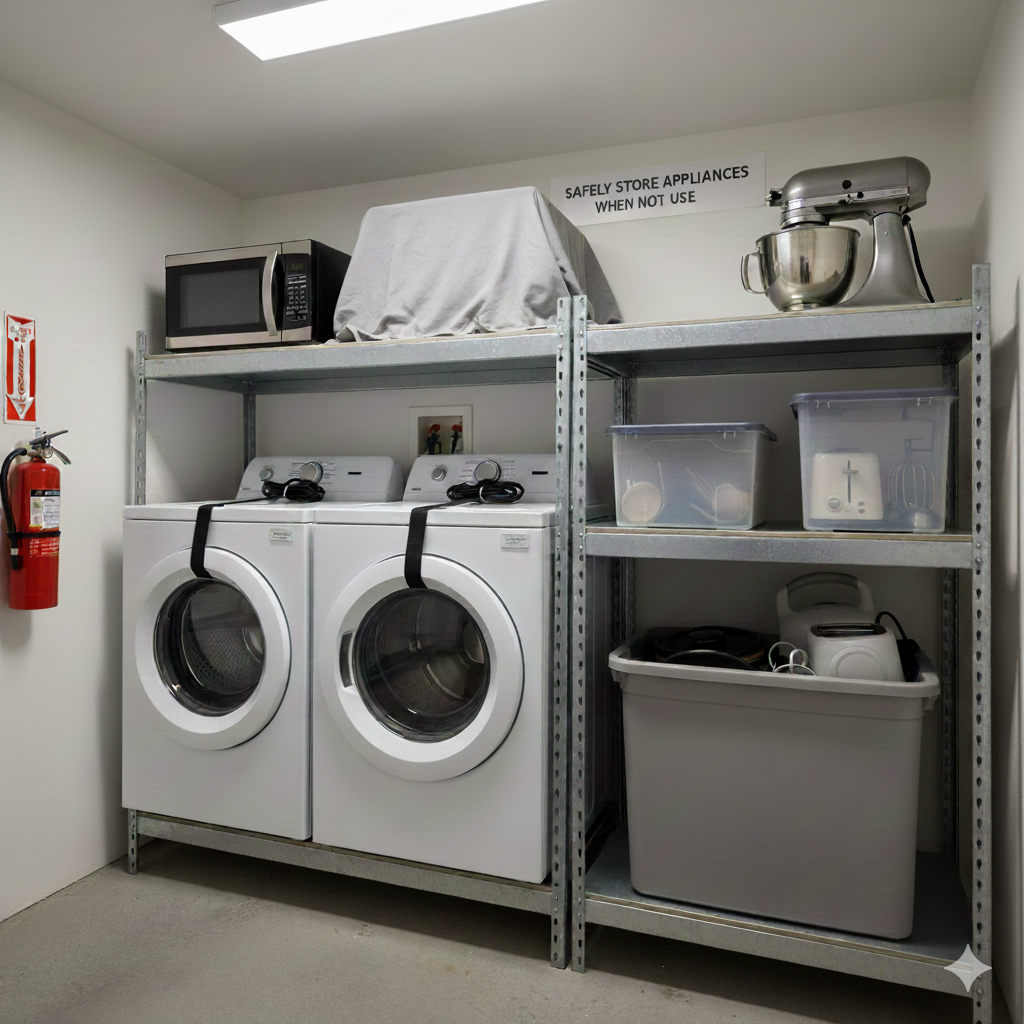
How to Safely Store Appliances When Not in Use
As a team dedicated to keeping your home running smoothly, we at North Vancouver Appliance Repair know just how important your appliances are to daily life. Whether it’s your trusty refrigerator keeping food fresh or your washing machine tackling those endless loads of laundry, these machines are workhorses. But what happens when they’re not in use? Maybe you’re renovating, moving, or simply storing seasonal items like a portable air conditioner. Storing appliances improperly can lead to costly damage, safety hazards, or even voided warranties. That’s why we’ve put together this comprehensive guide on how to safely store appliances when they’re out of commission. Drawing from our years of experience servicing homes in North and West Vancouver and the surrounding areas, we’ll walk you through the best practices to protect your investments. And remember, if you’re ever unsure or spot an issue during storage prep, our expert technicians are just a call away for high-quality repair services.
Let’s start with the basics. Safe storage isn’t just about tossing a cover over something and forgetting about it. It involves cleaning, proper positioning, environmental considerations, and sometimes a bit of disassembly. Appliances are complex pieces of equipment with electrical components, moving parts, and sometimes refrigerants or gases that need careful handling. Mishandling them can result in rust, mold, pest infestations, or electrical shorts. In our line of work, we’ve seen far too many cases where a simple oversight turned into a major repair bill. So, follow these steps, and you’ll minimize risks.
Preparing Appliances for Storage: The Essential First Steps
Before you even think about where to store your appliance, preparation is key. This process ensures that no residue or moisture is left behind, which could cause problems down the line.
First off, unplug and power down. It sounds obvious, but we’ve had clients who forgot this step and ended up with tripped circuits or worse. Always disconnect from the power source and, if applicable, shut off water or gas lines. For gas appliances like stoves or dryers, it’s crucial to cap the lines properly to prevent leaks. If you’re not comfortable doing this, give us a ring at North Vancouver Appliance Repair – our certified techs can handle it safely and efficiently.
Next, clean thoroughly. Dirt, grease, and food particles attract pests and promote mold growth. For refrigerators and freezers, defrost completely and wipe down all surfaces with a mixture of baking soda and water. Remove shelves and drawers for a deep clean, and don’t forget the door seals – those gaskets can harbor bacteria. Ovens and stoves need their interiors scrubbed free of spills; use a non-abrasive cleaner to avoid scratching surfaces. Washing machines and dishwashers should have their drums or interiors cleaned with a vinegar cycle to eliminate buildup. Dryers? Empty the lint trap and vacuum out any lingering fluff from the vents. A clean appliance is a happy one in storage.
Drying is just as important. Moisture is the enemy here. After cleaning, leave doors or lids ajar for at least 24 hours to air dry completely. In humid North Vancouver weather, this might take longer, so plan accordingly. Use fans if needed to speed things up.
If your appliance has removable parts, like hoses or cords, detach them and store separately to prevent tangling or damage. Label everything – trust us, you’ll thank yourself later when reassembling.
Finally, consider pest protection. Rodents love chewing on wires, and insects can nest in vents. Place mothballs or natural repellents like peppermint oil-soaked cotton balls inside, but avoid anything that could leave residues on food-contact surfaces.
This prep phase alone can add years to your appliance’s life. We’ve repaired countless units that suffered from neglect in this area, so taking the time now saves money later.
Related: How to Maintain Your Appliances During Winter in Canada
Choosing the Right Storage Location
Where you store your appliance matters a lot. Not all spots are created equal, and the wrong environment can accelerate wear and tear.
Ideally, opt for a climate-controlled space. Basements in our area can be damp, garages fluctuate with Vancouver’s rainy seasons, and attics get too hot in summer. Temperature swings cause condensation, leading to rust on metal parts or cracking in plastics. Aim for a steady 10-25°C (50-77°F) and low humidity. If you’re using self-storage, choose units with climate control – it’s worth the extra cost.
Keep it off the ground. Flooding is a real risk in coastal areas like ours. Use pallets, bricks, or storage racks to elevate appliances at least 6 inches. This also improves air circulation and deters pests.
Position matters too. Store upright whenever possible, especially for refrigerators and washers, to avoid oil leaks from compressors. If space forces horizontal storage, check your manual first – some models aren’t designed for it.
Avoid direct sunlight, which can fade colors and degrade seals. And steer clear of areas with vibrations, like near workshops, as they can loosen internal components.
In our experience at North Vancouver Appliance Repair, poor storage locations account for a good chunk of the damage we see. One client stored a fridge in a garage through winter, and come spring, the coils were corroded from moisture. A quick consultation with us could have prevented that.
Specific Tips for Common Household Appliances
Not all appliances are the same, so let’s break it down by type. We’ll cover the big ones: refrigerators, washers and dryers, ovens, microwaves, and small appliances.
Refrigerators and Freezers
These are tricky because of their size and refrigerants. After cleaning and drying, prop the door open slightly to prevent mold – use a towel or block to hold it. If storing long-term, consider removing the door for safety, especially if kids are around (it’s a suffocation hazard). Wrap in moving blankets to protect against dings.
For chest freezers, ensure they’re level to avoid compressor strain. And never store in unheated spaces if temperatures drop below freezing – it can damage the thermostat.
We’ve fixed many fridges post-storage where doors wouldn’t seal right due to warping. If yours shows signs of trouble after retrieval, our team in North and West Vancouver can diagnose and repair it promptly.
Related: How to Prepare Your Appliances for a Move: A Comprehensive Guide
Washing Machines and Dryers
Drain all water first. Run a spin cycle, then tilt the washer to empty any residual. Disconnect hoses and store them coiled. For front-loaders, secure the drum with shipping bolts if available – this prevents damage during movement.
Dryers need their vents cleared and covered to block dust. Gas dryers require professional disconnection; don’t DIY if unsure.
Stacking them? Only if designed for it. Otherwise, store side by side.
Humidity is a big issue here in Vancouver. We’ve seen moldy drums that required deep cleaning or part replacements. Prevent it by storing in dry spots.
Ovens and Stoves
Electric or gas, start by removing racks and cleaning. For gas models, ensure valves are off and lines capped.
Store flat to avoid tipping. Cover knobs to prevent accidental turns.
If it’s a range, secure the anti-tip bracket even in storage to prevent accidents.
Corrosion on burners is common in damp storage. If you notice it upon retrieval, call us – we service all major brands with genuine parts.
Microwaves and Small Appliances
These are easier but still need care. Clean interiors, remove turntables, and wrap cords neatly.
Store in original boxes if possible for protection. Keep away from heat sources.
For coffee makers or blenders, ensure no water remains in reservoirs.
Small issues like faulty doors or buttons often crop up post-storage. Our repair services cover these too, keeping your kitchen humming.
Dishwashers
Similar to washers: drain completely, clean filters, and leave door ajar. Secure racks if removable.
Hard water in our area can leave deposits, so a pre-storage vinegar rinse helps.
Long-Term vs. Short-Term Storage Considerations
Duration affects your approach. For short-term (under 3 months), basic cleaning and covering might suffice. Long-term needs more: apply anti-rust sprays on metal parts, use desiccants inside to absorb moisture, and periodically check (every 3-6 months) for issues.
For very long storage, consider professional wrapping or climate-controlled facilities.
We’ve had clients store appliances for years during renos, only to find electrical faults upon return. Regular inspections prevent that.
Common Mistakes to Avoid
Even with good intentions, people slip up. Here are pitfalls we’ve encountered:
- Not unplugging: Leads to energy waste or fires if surges occur.
- Storing wet: Mold heaven.
- Overcrowding: Scratches and dents.
- Ignoring manuals: Each model has specifics.
- Forgetting to secure doors/lids: They can swing open and break.
- Exposure to elements: Rain or sun damage.
- Pest neglect: Wires chewed through.
Avoid these, and you’re golden.
When to Seek Professional Help
Sometimes, DIY isn’t enough. If an appliance shows wear before storage – odd noises, leaks, or inefficiency – address it first. At North Vancouver Appliance Repair, we offer thorough inspections and repairs using top-quality parts. Serving North and West Vancouver and nearby, our technicians are trained for all brands, ensuring your appliances are storage-ready.
Post-storage, if something’s amiss, don’t force it. We’ve revived many “dead” units with simple fixes. Contact us for prompt, reliable service – we’re here to help your home stay efficient.
Eco-Friendly Storage Tips
In eco-conscious Vancouver, consider sustainability. Reuse packing materials, recycle old parts, and choose energy-efficient storage if possible.
Proper storage extends appliance life, reducing waste. It’s a win for your wallet and the planet.
Conclusion
Storing appliances safely is about foresight and care. By prepping properly, choosing the right spot, and avoiding common errors, you’ll protect your investments. From our perspective at North Vancouver Appliance Repair, we’ve seen the difference it makes. If you need assistance with prep, repairs, or advice, reach out – we’re committed to high-quality service in your community.
Remember, well-maintained appliances last longer, saving you time and money. Happy storing!