How to Use Your Oven’s Self-Clean Feature Safely and Effectively
The self-clean function on a modern oven is genuinely impressive technology — but it’s also one of the most misunderstood and misused features in any kitchen appliance. Used correctly, it’s a convenient way to reduce baked-on grease and carbon to a fine ash you can wipe away. Used incorrectly, it can damage oven components, trigger […]
 5 min read
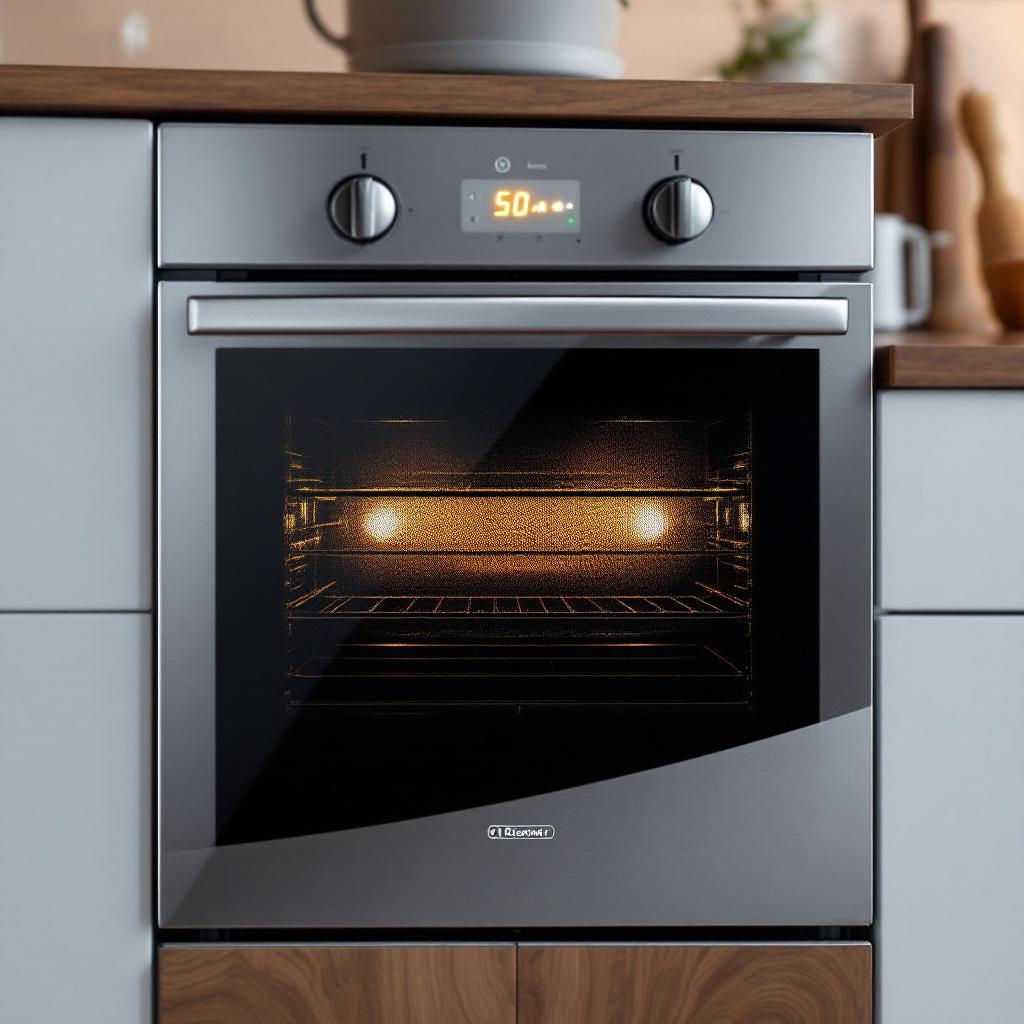
The self-clean function on a modern oven is genuinely impressive technology — but it’s also one of the most misunderstood and misused features in any kitchen appliance. Used correctly, it’s a convenient way to reduce baked-on grease and carbon to a fine ash you can wipe away. Used incorrectly, it can damage oven components, trigger your smoke detector, or even cause the oven to malfunction afterward.
This guide explains exactly how the self-clean cycle works, how to use it safely, and what to watch out for before, during, and after the process.
How Does the Self-Clean Cycle Work?
Self-cleaning ovens use extremely high heat — typically between 260°C and 480°C (500°F to 900°F) — to incinerate food residue, grease, and spills into a fine, powdery ash. The oven door locks automatically at the start of the cycle to prevent it from being opened at these extreme temperatures, and it remains locked until the oven has cooled to a safe level.
Most self-clean cycles run for 2–6 hours depending on the chosen intensity level (light, medium, or heavy clean). Some newer ovens offer a shorter steam-clean option that uses water instead of extreme heat — useful for light soiling but less effective for heavily soiled ovens.
Before You Start: Preparation Is Essential
1. Remove everything from the oven
Take out all racks, pans, thermometers, and any oven liners before starting the self-clean cycle. Standard chrome oven racks will discolour and lose their smooth slide coating if left in during the high-heat cycle. Many manufacturers recommend removing racks to preserve their finish — check your manual for the specific recommendation for your model.
2. Clean up loose debris first
Scoop out any large pieces of burnt food from the oven floor before starting the cycle. Large pieces of debris produce more smoke and can cause excessive buildup of ash. A quick preliminary cleanup with a damp cloth — while the oven is cold — reduces the amount of smoke generated during the cycle.
3. Ensure good ventilation
Even a well-functioning self-clean cycle produces fumes and smoke — sometimes quite a lot of it. Open windows in the kitchen, turn on the range hood to its highest setting, and consider opening nearby doors to create cross-ventilation. If you have birds as pets, remove them from the kitchen area entirely — the fumes can be harmful to birds at high concentrations.
4. Wipe down the door gasket
Gently wipe the rubber door gasket (the seal around the oven door opening) with a damp cloth before running the cycle. Do not clean the gasket with any chemical cleaner — just remove loose debris. The gasket is not designed to withstand the same temperatures as the oven interior and should not have excessive residue on it entering the cycle.
During the Cycle: What to Expect
Once the cycle starts, the oven will heat up significantly — you’ll feel heat radiating from the exterior of the oven, and the control panel will show the door is locked. This is completely normal.
- Expect some smoke, especially for the first 30–60 minutes if there’s significant grease buildup.
- A burning smell is normal — it’s the incineration of food residue. The smell typically peaks in the first half of the cycle and then diminishes.
- Do not attempt to open the door or cancel the cycle partway through. The lock mechanism and the sudden release of high heat can both cause problems if the cycle is interrupted.
- Stay home during the cycle. If smoke becomes excessive or you notice anything unusual, you want to be present to respond.
One of the connections worth understanding: the extreme temperature of the self-clean cycle is one of the leading causes of subsequent oven problems. Components like the thermal fuse, door hinge springs, and temperature sensor can be damaged by the sustained high heat. If your oven has trouble heating after a self-clean cycle, our article on why your oven isn’t heating properly explains which components to check first.
After the Cycle: Don’t Rush
Wait for the oven to fully cool
The door will remain locked until the oven cools to a safe temperature — usually below 200°C. This typically takes 30–60 minutes after the cycle ends. Do not attempt to force the door open. Let the cooling process complete naturally.
Wipe out the ash
Once the oven is cool enough to touch, use a damp cloth to wipe out the white or grey ash left behind. There should be relatively little if the pre-cycle cleanup was done. The ash is inert and non-toxic — just wipe it into a dustpan and dispose of it.
Check the door gasket condition
After the cycle, inspect the door gasket carefully. If the gasket shows any cracking, stiffening, or areas that are no longer sitting flush against the door frame, it may need replacement. A damaged gasket after self-cleaning will cause heat to escape, leading to longer preheat times and uneven cooking — issues covered in detail in our articles on why your oven takes too long to preheat and why your oven is cooking unevenly.
Reinstall the racks
If you removed oven racks before the cycle, now is the time to clean them separately (warm soapy water works well, or soak them in a bathtub with dish soap) and reinstall them once dry.
Common Self-Clean Mistakes to Avoid
- Using it too frequently: Self-cleaning is best used 1–2 times per year. Overuse significantly increases the risk of component damage from thermal stress.
- Leaving racks in: Chrome racks lose their smooth coating in the extreme heat, making them hard to slide in and out afterward.
- Skipping ventilation: Smoke and fumes from a heavily soiled oven can set off smoke detectors and cause discomfort — open windows before starting.
- Cleaning with chemicals before the cycle: Never apply chemical oven cleaner inside a self-clean oven and then run the cycle. The chemical residue can produce toxic fumes at high temperature.
- Assuming the cycle is maintenance-free: The self-clean cycle is not a substitute for regular wiping after spills. Addressing spills promptly when they occur keeps the oven cleaner with less effort overall.
When to Call a Professional
If your oven’s door won’t unlock after the cycle has completed and the oven has cooled, or if the oven fails to heat properly afterward, it’s time to call a technician. Component damage from self-clean cycles — particularly blown thermal fuses and stuck door lock mechanisms — is a common and fixable problem. North Vancouver Appliances can diagnose and repair these issues quickly.
Visit our oven repair service page to book a visit or get advice.