
Why Your Washing Machine Smells Musty or Sour (And How to Fix It)
When your washing machine smells musty or sour, it can feel counterintuitive — this is the machine that’s supposed to make things clean. But a smelly washing machine is extremely common, and it has specific, identifiable causes that are straightforward to address once you understand them. The key is knowing where the smell is actually […]
 6 min read
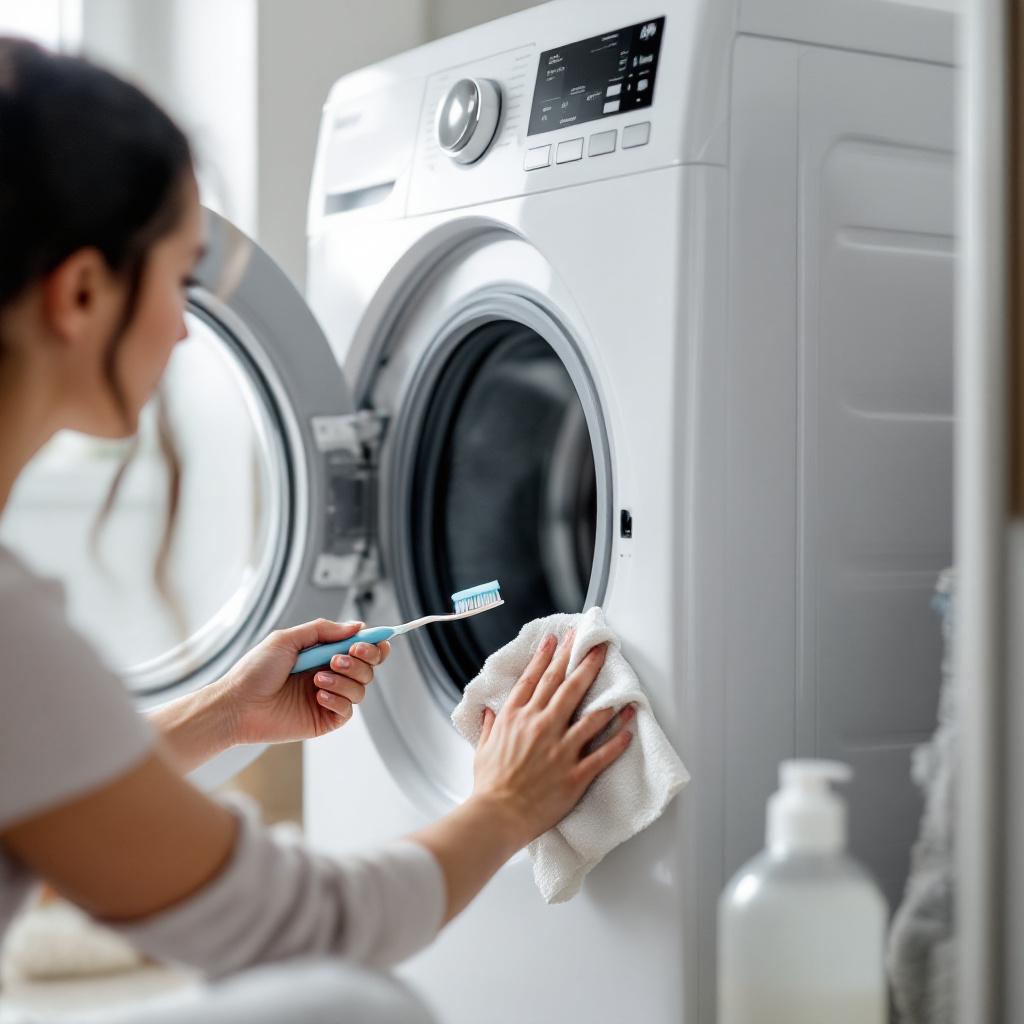
When your washing machine smells musty or sour, it can feel counterintuitive — this is the machine that’s supposed to make things clean. But a smelly washing machine is extremely common, and it has specific, identifiable causes that are straightforward to address once you understand them. The key is knowing where the smell is actually coming from and why it develops in the first place.
This guide covers every major source of washing machine odour, with practical fixes for each. Whether the smell is coming from the drum, the door seal, or the drain system, you’ll find a solution here.
Why Washing Machines Develop Odours
Modern washing machines — particularly front-loaders — are designed to be highly water-efficient. They use less water per cycle than older top-loaders, which means there’s less water available to flush out detergent residue, body soil, and lint. Over time, these residues build up on the drum surfaces, in the rubber door gasket folds, in the detergent drawer, and in the drain pump filter.
This residue becomes a food source for bacteria and mould, which produce the musty or sour smell you notice. The problem is accelerated by three very common habits: using too much detergent, washing primarily on cold cycles, and leaving the machine door closed between uses. Each of these traps moisture and feeds bacterial growth.
The Most Common Sources of Washing Machine Smell
1. The door gasket (front-loaders)
The rubber gasket that seals the front-loading door is the number one source of mould and mildew in washing machines. Water and debris accumulate in its folds after every wash, and if the door is kept closed between cycles, that moisture never dries — creating ideal conditions for mould to grow.
- Pull back the gasket folds and inspect for black or grey mould growth, trapped debris, or standing water pockets.
- Clean the gasket with a mixture of equal parts white vinegar and water, scrubbing the folds with an old toothbrush.
- After every wash, wipe the gasket dry with a clean cloth.
- Always leave the door ajar between cycles to allow air to circulate and moisture to evaporate.
2. The detergent drawer
Detergent residue and fabric softener accumulate in the drawer and its housing, providing an ideal environment for mould and bacterial growth. A slimy, discoloured drawer is a very common odour source that’s easy to overlook.
- Remove the drawer completely (press the release tab, usually at the back of the drawer slot).
- Soak it in hot water with dish soap for 15–20 minutes, then scrub thoroughly.
- Use a toothbrush to clean inside the drawer housing in the machine — this area rarely gets cleaned and often has significant buildup.
- Reduce fabric softener use, or switch to dryer balls — fabric softener is the primary cause of drawer buildup.
3. The drum interior
A biofilm of detergent residue, body oils, and bacteria builds up on the drum surface over time, particularly in the drum paddle holes and on the rear drum wall. This biofilm is responsible for the smell that transfers onto clothes even after washing.
Running a monthly drum clean cycle is the most effective prevention. Our complete guide on how to deep clean your washing machine drum walks through the exact process using vinegar and baking soda for both front-loaders and top-loaders.
4. The pump filter (front-loaders)
Front-loading machines have a drain pump filter (also called a coin trap) accessible through a small door at the bottom front of the machine. This filter catches foreign objects before they reach the pump — but it also catches lint, hair, and debris that decompose over time, producing a strong, unpleasant smell.
- Place a shallow tray and towels on the floor before opening the filter — trapped water will pour out.
- Unscrew the filter cap slowly and let the water drain into the tray.
- Remove the filter and rinse it under hot water, scrubbing away any debris or slime.
- Clean the filter housing with a damp cloth before reinstalling.
- Do this every 1–3 months as routine maintenance.
5. The drain hose and standpipe
The drain hose can develop a smell if it’s improperly installed — specifically, if it siphons water back into the drum between cycles, or if standing water in the hose allows bacterial growth. A drain hose that smells is often overlooked because it’s hidden behind the machine.
- Check that the drain hose forms a high loop before entering the standpipe — the hose should rise to at least 60cm (24 inches) above floor level before descending.
- Run a hot wash cycle with a cup of white vinegar in the drum to flush the hose.
- If the smell is concentrated near the back of the machine, inspect the hose for kinks or blockages that trap water.
Why Detergent Type and Quantity Matter
Using conventional detergent in an HE (high-efficiency) machine — or using too much HE detergent — is one of the leading causes of residue buildup and odour. HE machines use far less water than conventional ones, which means excess detergent has nowhere to go. It coats the drum, the hose, and the pump.
- Always use HE detergent in HE machines.
- Use the minimum recommended amount — most people use 2–3 times more than necessary.
- Skip fabric softener entirely, or use it very sparingly. It creates a coating on drum surfaces that traps bacteria.
- Run the occasional “extra rinse” cycle to help flush residue.
The Temperature Factor
Cold water washing is energy-efficient and gentle on fabrics, but it doesn’t kill bacteria. Washing exclusively on cold cycles allows microorganisms to survive in the drum and on your laundry. Periodically running a hot cycle — at 60°C or higher — kills bacteria throughout the machine and significantly reduces odour.
- Run one hot wash per week if possible (towels and bedding are ideal candidates).
- If you wash everything on cold, run an empty hot drum-clean cycle monthly.
Long-Term Habits That Keep the Machine Fresh
The habits that cause smells and the habits that prevent them are almost identical — just in reverse. Protecting your machine from odour is largely the same set of behaviours that extend its working life. Our guide on how to extend the lifespan of your washing machine covers these in the context of overall machine longevity.
- Leave the door ajar after every wash — the single most impactful habit for preventing odour.
- Remove laundry promptly — leaving wet clothes in the drum for hours is a major contributor to both drum odour and fabric odour.
- Clean the gasket, drawer, and filter on a regular schedule — monthly for high-use households.
- Run a drum clean cycle monthly.
- Use the right detergent in the right quantity.
When Is a Bad Smell a Sign of a Mechanical Problem?
Most washing machine odours are caused by the biological issues described above. However, a burning smell — particularly during the spin cycle — is different. It usually indicates a mechanical problem: a worn drive belt slipping against the drum, a failing motor bearing, or an electrical fault. If you notice a burning smell rather than a musty or sour one, stop the machine immediately.
A burning smell paired with unusual vibration is particularly worth acting on promptly. Our article on how to stop your washing machine from shaking and vibrating covers the mechanical issues that can accompany burning smells.
When to Call a Professional
If thorough cleaning of the gasket, drawer, drum, and pump filter doesn’t resolve the smell within a few cycles, there may be mould or bacterial growth inside the drum tub (behind the drum itself) that home cleaning can’t reach. This is more common in machines that have gone without cleaning for extended periods.
North Vancouver Appliances can perform a deep internal clean or diagnose any mechanical issue that might be contributing to the problem. Visit our washer repair service page to get in touch.