
Oven Broiler Not Working? 6 Common Causes and How to Fix It
oven broiler not working is one of the most frustrating kitchen surprises — you’re ready to finish a steak or melt cheese on a casserole, and nothing happens. Before you call a technician, there are several things worth checking yourself. Most broiler problems come down to a handful of fixable causes, and diagnosing the right […]
 7 min read
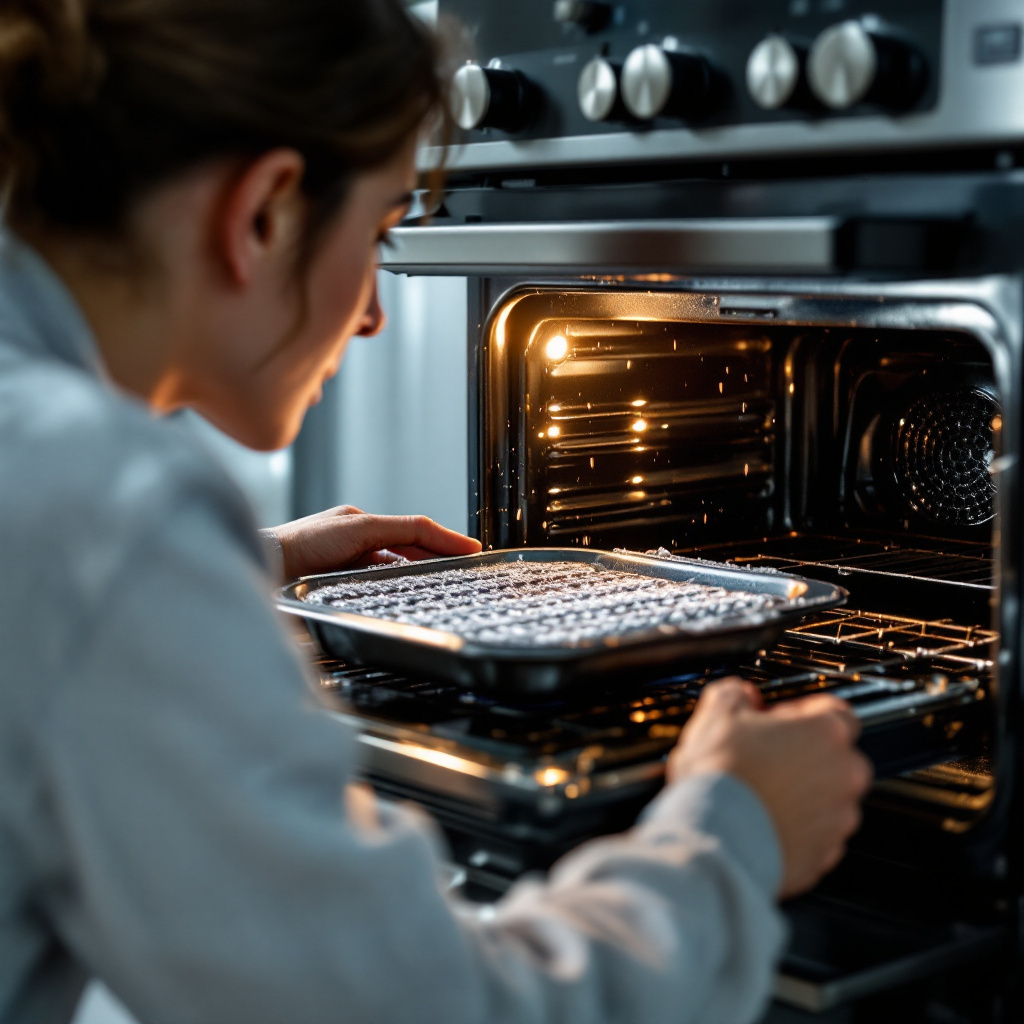
oven broiler not working is one of the most frustrating kitchen surprises — you’re ready to finish a steak or melt cheese on a casserole, and nothing happens. Before you call a technician, there are several things worth checking yourself. Most broiler problems come down to a handful of fixable causes, and diagnosing the right one saves you both time and money.
In this guide we’ll walk through every likely reason your broiler has stopped working, from the simplest fixes you can do in minutes to the ones that need a professional hand. We service ovens throughout North Vancouver, and the issues below account for the vast majority of broiler calls we receive.
How an Oven Broiler Actually Works
Whether you have a gas or electric oven, the broiler generates intense, direct heat from above to quickly brown and crisp food. In electric ovens, a dedicated broiler element at the top of the cavity glows red when energized. In gas ovens, a separate burner ignites at the top — or in some models the main burner runs at full blast with the door slightly ajar.
Because the broiler operates independently from the bake function, it has its own set of components that can fail — which is why you can sometimes bake fine but lose your broiler entirely.
6 Common Reasons Your Oven Broiler Is Not Working
1. Burned-Out Broiler Element (Electric Ovens)
This is the single most common cause on electric ovens. The broiler element is a thick metal coil or bar at the top of the oven interior. Over years of use, it can develop a crack or hole — you’ll often see a visible burn mark, blister, or split on the element itself. When an element fails this way, it draws no power and produces no heat.
To check: open the oven, look at the top element. Any discolouration, burn hole, or broken section confirms the element is bad. Replacement elements typically cost $25–$60 depending on the brand, and swapping one out takes about 20 minutes with a screwdriver — it’s one of the more DIY-friendly appliance repairs.
2. Faulty Broiler Igniter (Gas Ovens)
Gas ovens use an igniter to open the gas valve and light the burner. When the igniter weakens, it may glow orange but not get hot enough to pull the valve open — meaning gas never flows and the burner never lights. A failed igniter is the most common gas broiler problem by far.
Signs of a weak igniter: it glows for more than 90 seconds without the burner lighting, or it doesn’t glow at all. Igniters can sometimes be replaced DIY if you’re comfortable with the process; if in doubt, have a technician handle it since you’re working near a gas supply.
3. Faulty Bake Element or Gas Valve
On some oven designs, particularly older models, the bake element and broiler share a common control path. A failed bake element or gas valve can sometimes cut power to the broiler circuit as a safety measure. If both your bake and broiler functions are misbehaving, the root cause is likely in a shared component rather than the broiler itself.
4. Control Board or Broiler Relay Failure
Modern ovens use an electronic control board to manage all functions, including the broiler. If the relay on the board that controls broiler power fails, the element or igniter never receives the signal to activate — even though everything else on the oven works fine. Control board issues often show up as an oven that responds normally on the display but simply doesn’t heat in broil mode. This repair typically requires a technician and part replacement.
5. Blown Thermal Fuse
Ovens have a thermal fuse — a one-time safety device that permanently blows if the oven overheats. When it blows, it usually cuts power to the entire oven or to specific circuits including the broiler. A blown fuse often feels like the oven went completely dead. Fuses are inexpensive, but accessing them requires disassembling part of the oven back panel. The more important question is why it blew in the first place — often a blocked vent or malfunctioning cooling fan.
6. Oven Door Switch Problems
Some ovens disable the broiler when the door is fully open as a safety feature. If the door switch is faulty, the oven may think the door is in the wrong position and refuse to activate the broiler. Try running the broiler with the door in the slightly-ajar position often recommended for broiling — if that makes a difference, a door switch or door hinge adjustment may be the fix.
Step-by-Step Troubleshooting
Start with the simplest checks before going deeper:
- Reset the oven: Switch the circuit breaker off for 60 seconds, then back on. A soft reset clears error states that can disable individual functions. Our guide on how to reset any appliance covers this for all major brands.
- Check the broil setting: Some ovens have separate “Lo Broil” and “Hi Broil” modes. Make sure you’re selecting the correct one and that the temperature isn’t set so low the element never activates.
- Inspect the element visually: Open the oven and look directly at the broiler element. Any visible damage — a hole, crack, burn spot, or blistered section — means replacement is needed.
- Test continuity: If you have a multimeter, an element with no continuity reading is confirmed bad. A reading near zero ohms also indicates a short.
- Check error codes: Many modern ovens will display a fault code when a component fails. Check your display panel and cross-reference our appliance error codes cheat sheet to identify the problem quickly.
Gas vs. Electric: Key Differences
Electric broiler repairs are generally simpler because the component that fails (the element) is visible and accessible. Gas broiler issues involve igniters and gas valves, which are slightly more involved — and any work near the gas supply should be done by someone comfortable with appliance repair. If you ever smell gas while troubleshooting, stop immediately, ventilate the space, and call for service.
When to Call a Professional
Some broiler repairs are well within DIY reach — particularly element replacement on electric ovens. Others are best left to a technician:
- Gas igniter or valve replacement
- Control board diagnosis and replacement
- Thermal fuse replacement (especially if you need to find out why it blew)
- Any situation involving an oven that sparks, trips breakers, or smells of burning wiring
The team at North Vancouver Appliances oven repair handles all of the above, typically same-day or next-day in the North Shore area. A standard diagnostic visit will confirm exactly which part has failed before any repair work begins, so there are no surprises on the invoice.
Common Brand-Specific Notes
Broiler element failure is especially common on Samsung and LG electric ranges after 4–7 years of use. Whirlpool and Maytag gas ovens frequently develop igniter issues around the same timeframe. KitchenAid and GE ovens tend to have more robust igniters but are more susceptible to control board relay failures in later life. Whatever brand you own, if the oven is more than 10 years old and the repair cost approaches 50% of replacement cost, it’s worth factoring in the appliance’s remaining lifespan before committing to a major repair.
Preventing Broiler Failures
A few simple habits extend the life of your broiler significantly:
- Always use broiler-safe pans — thin aluminium foil pans can buckle and contact the element, causing arcing and damage.
- Never line the bottom of your oven with foil — it traps heat and can cause thermal fuse failures.
- Clean spills off the broiler element area regularly; baked-on grease near the element is a fire and failure risk.
- Avoid slamming the oven door — it can stress the door switch and over time misalign the door enough to affect how sensors read its position.
For a deeper clean of your whole oven cavity, check out our guide on how to deep clean your oven without chemicals — a good clean can actually prevent some element-related problems caused by accumulated grease igniting near the broiler.
Summary
An oven broiler not working usually comes down to one of six causes: a burned-out element, a weak igniter, a failed gas valve or bake element, a control board fault, a blown thermal fuse, or a door switch problem. Start by resetting the oven and inspecting the element visually — those two steps resolve a surprising number of cases. If the problem is more complex, the oven repair specialists at North Vancouver Appliances are available across the North Shore to diagnose and fix the issue properly.