
Why Your Oven Takes Too Long to Preheat
When your oven takes too long to preheat, it’s not just inconvenient — it’s a signal that something inside the appliance isn’t performing at full capacity. A properly functioning electric oven should reach 180°C (350°F) in roughly 10–15 minutes. Gas ovens are typically slightly faster. If you’re waiting 25–40 minutes for the same temperature, one […]
 5 min read
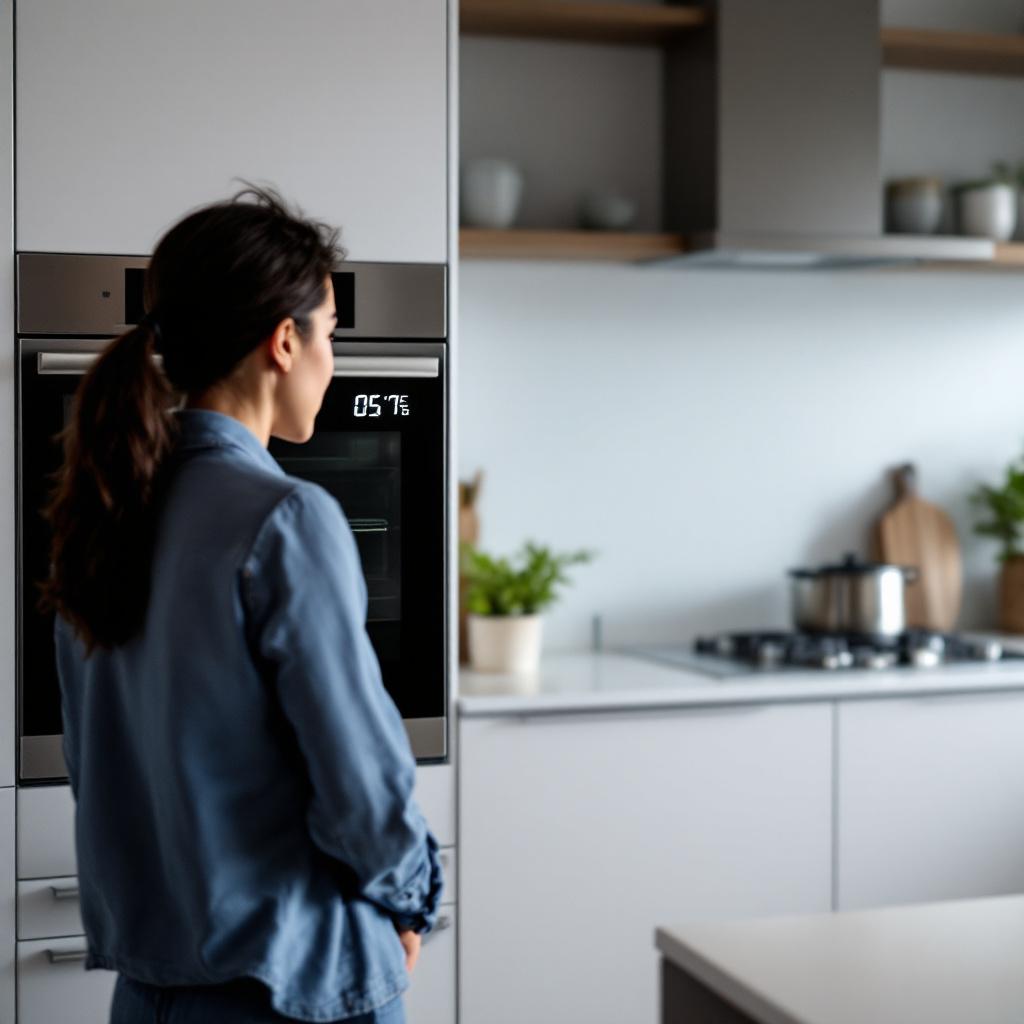
When your oven takes too long to preheat, it’s not just inconvenient — it’s a signal that something inside the appliance isn’t performing at full capacity. A properly functioning electric oven should reach 180°C (350°F) in roughly 10–15 minutes. Gas ovens are typically slightly faster. If you’re waiting 25–40 minutes for the same temperature, one or more components are failing to deliver the heat they should.
This guide covers every common cause of slow oven preheating, how to diagnose each one, and what repairs look like for each.
How Oven Preheating Works
In an electric oven, preheating is done by two elements: the bake element at the bottom of the oven cavity and the broil element at the top. During preheat, both elements typically run together to heat the oven as quickly as possible. Once the set temperature is reached, only the bake element cycles on and off to maintain it. If either element is weak or completely failed, preheat takes significantly longer.
In a gas oven, preheating is done by a burner ignited by a glow bar igniter. If the igniter is weakening, it may still light the burner but with a delay — and the burner may run at less than full output.
1. A Failing Bake Element (Electric Ovens)
The bake element is the most common cause of slow preheating in electric ovens. It’s the coiled or hidden element at the bottom of the oven cavity. Over time, the element’s resistance increases as it ages, reducing the heat it produces without failing completely. In other cases, it develops a partial break — still glowing, but at reduced output.
How to inspect:
- With the oven on, look through the oven window during preheat. The bake element should glow a bright, even orange-red across its entire length.
- Dark spots, areas that don’t glow, or visible cracks or blistering on the element surface all indicate a partially failed element.
- A multimeter test of the element’s resistance (with the oven unplugged) can confirm weakness even when visual inspection looks fine.
Bake element replacement is one of the most straightforward oven repairs — the element is typically held by two screws and two wire connectors. Parts cost $20–$60 depending on the model.
2. A Weak Broil Element (Electric Ovens)
Because both elements run during preheat, a weakening broil element also slows preheat times — even if it seems fine for broiling (since broiling only needs partial heat). Apply the same inspection approach as the bake element: look for uneven glowing or dark sections during preheat.
3. A Weak Oven Igniter (Gas Ovens)
In a gas oven, the glow bar igniter must reach a specific temperature before the gas valve opens and the burner lights. As igniters age, they weaken — they still glow and eventually light the burner, but the delay is longer and the burner may not run at full output once lit.
Signs of a weak igniter:
- The oven takes much longer than it used to reach temperature
- You can smell gas briefly before the burner lights — the igniter is slow to reach the valve-opening threshold
- The oven temperature fluctuates more than it used to
Igniter replacement is the most common gas oven repair and typically costs $40–$80 in parts. It’s a manageable DIY repair on most gas ranges.
4. A Faulty Oven Temperature Sensor
The temperature sensor is a probe — usually mounted at the back upper corner of the oven cavity — that measures the actual oven temperature and signals the control board. If the sensor reads incorrectly (reporting the oven as hotter than it actually is), the control board cuts power to the elements too early, and the oven never reaches the set temperature — or reaches it very slowly as the system constantly undershoots.
How to check:
- A faulty sensor often causes the oven to read error codes — check our guide on appliance error codes if your oven is displaying a fault code.
- The sensor can be tested with a multimeter — at room temperature, most sensors read approximately 1080–1100 ohms. Check your model’s spec for the exact value.
- A sensor that reads significantly outside spec should be replaced. They’re inexpensive ($20–$40) and easy to swap.
5. A Faulty Oven Control Board
The control board manages power delivery to the heating elements based on thermostat feedback. A failing board may underprovide power to the elements during preheat, causing slow heat-up. Control board failures often come with other symptoms: unresponsive controls, incorrect temperature, or error codes.
Control board replacement is the most expensive oven repair ($150–$350) and should be confirmed by a technician before purchasing the part — other components can mimic control board symptoms.
6. Poor Oven Door Seal
If the oven door gasket (the rubber or fibreglass seal around the door frame) is damaged, torn, or compressed flat, heat escapes during preheat — making the oven take longer to reach temperature. This is an easy check and an inexpensive fix.
- Inspect the door gasket all the way around for tears, gaps, or hardening.
- Hold a piece of paper in the door seal and close the door — you should feel resistance when pulling the paper out. If it slides easily, the seal isn’t making good contact.
- Door gasket replacement is a DIY-friendly repair on most ovens.
A door that doesn’t close fully is a related issue that also causes heat loss during cooking. Our article on how to fix an oven door that won’t close covers hinge and seal repairs in detail.
Getting the Most From Your Oven While You Diagnose
While you’re working through the cause, a few habits can improve preheat performance. Always let the oven fully preheat before putting food in — the preheat indicator light or tone signals when the set temperature is first reached, but the oven walls and rack haven’t fully absorbed heat at that point. Adding a baking stone or pizza stone to the lower rack gives the oven thermal mass that maintains temperature better. And keep the oven clean — heavy carbon buildup on elements reduces their efficiency. Our guide on how to deep clean your oven without chemicals covers safe, effective oven cleaning.
When to Call a Professional
If you’ve inspected the elements visually and they look intact, the door seal is good, and the oven still preheats slowly — a professional can test the element resistance, sensor accuracy, and control board output to pinpoint the fault efficiently.
North Vancouver Appliances handles oven and range repairs across North Vancouver and the North Shore. Visit our oven repair page to book a visit.